
AA and Jetour clash over T1 and T2 payload ratings
- Industry News
- 1 October 2026
Dealer industry news from around Southern Africa
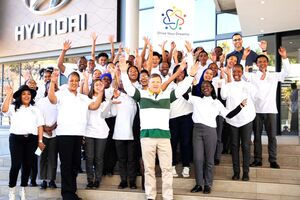
Less than a year after launching its Drive Your Dreams Mentorship programme, Hyundai Automotive South Africa is already seeing measurable results from its investment, with participants achieving an average score of 87% across five workplace readiness modules.
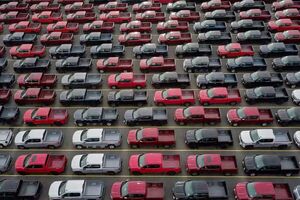
South Africa's new vehicle market has recorded its best start to a year since 2013, with sales for the first four months of 2026 reaching 209 838 units, 12.5% higher than the 186 599 units sold over the same period in 2025.

According to SBD Automotive the connected car is no longer simply a vehicle with digital features added on top.
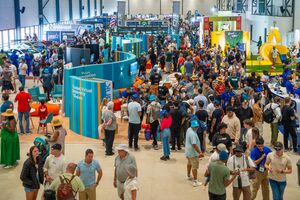
The 9th edition of the Festival of Motoring powered by WesBank will take place at the Kyalami Grand Prix Circuit from 28–30 August 2026, promising one of the most ambitious motoring showcases yet.
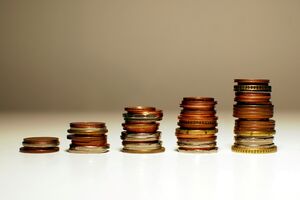
Buying a vehicle in South Africa is becoming about far more than the purchase price. Consumers are increasingly weighing the long term financial implications of vehicle ownership, from fuel and maintenance costs to finance structures and resale values.

The Retail Motor Industry Organisation (RMI) has named Henk Ferreira as its new Chief Operations Officer (COO), adding a seasoned automotive and financial services executive to its leadership team.
Chery International’s move to establish a vehicle assembly presence in Rosslyn has been welcomed as a significant boost for South Africa’s automotive sector, with Deputy President Paul Mashatile saying the investment should translate into jobs, skills development and wider participation by local businesses.
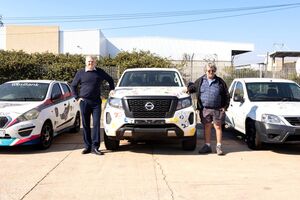
Nissan South Africa has donated five vehicles from its former automotive assembly plant to Freek de Kock, the owner and founder of the biggest private collection of Nissan and Datsun vehicles in the world.
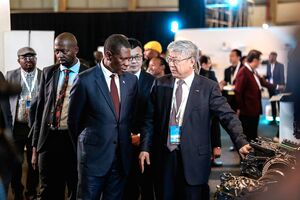
The changing fortunes of South Africa's automotive industry were underlined when Chinese manufacturer Chery officially took over the former Nissan manufacturing plant in Rosslyn, Pretoria, marking one of the most significant shifts in the country's vehicle manufacturing sector in recent years.

The automotive sector is no longer debating whether artificial intelligence and digital tools matter. It is now confronting a harder question: how to turn technology investment into durable business value.
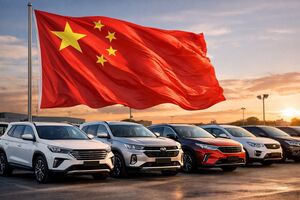
Chinese vehicle manufacturers are no longer simply disrupting South Africa's automotive market. They are becoming an established part of the industry, expanding their market share, strengthening consumer confidence and beginning to reshape manufacturing, financing and competition.
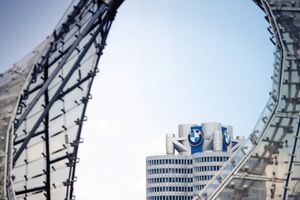
BMW has become one of the first major European vehicle manufacturers to reveal the financial impact of slowing demand in China and growing geopolitical uncertainty, after issuing a profit warning that sent its shares tumbling by around seven percent to their lowest level since late 2020
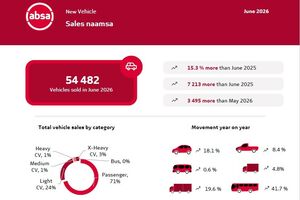
South Africa's new vehicle market maintained its positive momentum in June, despite a challenging domestic economic environment marked by high inflation, elevated interest rates and weaker consumer confidence.
 Advertisement
 Advertisement
You can't buy happiness but you can buy cars and that's kind of the same thing.
Unknown