Volvo Electric Trucks surpass a quarter of a million kilometres
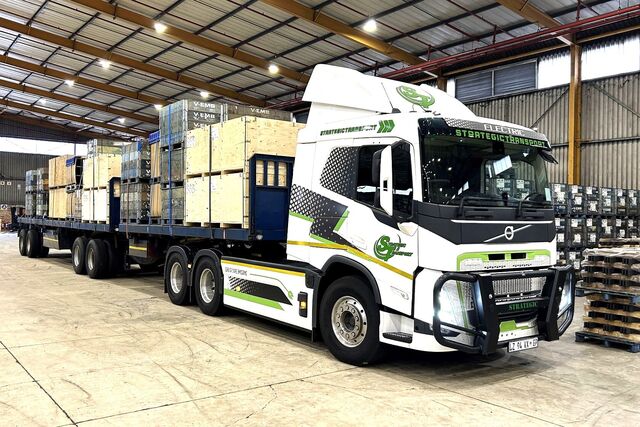
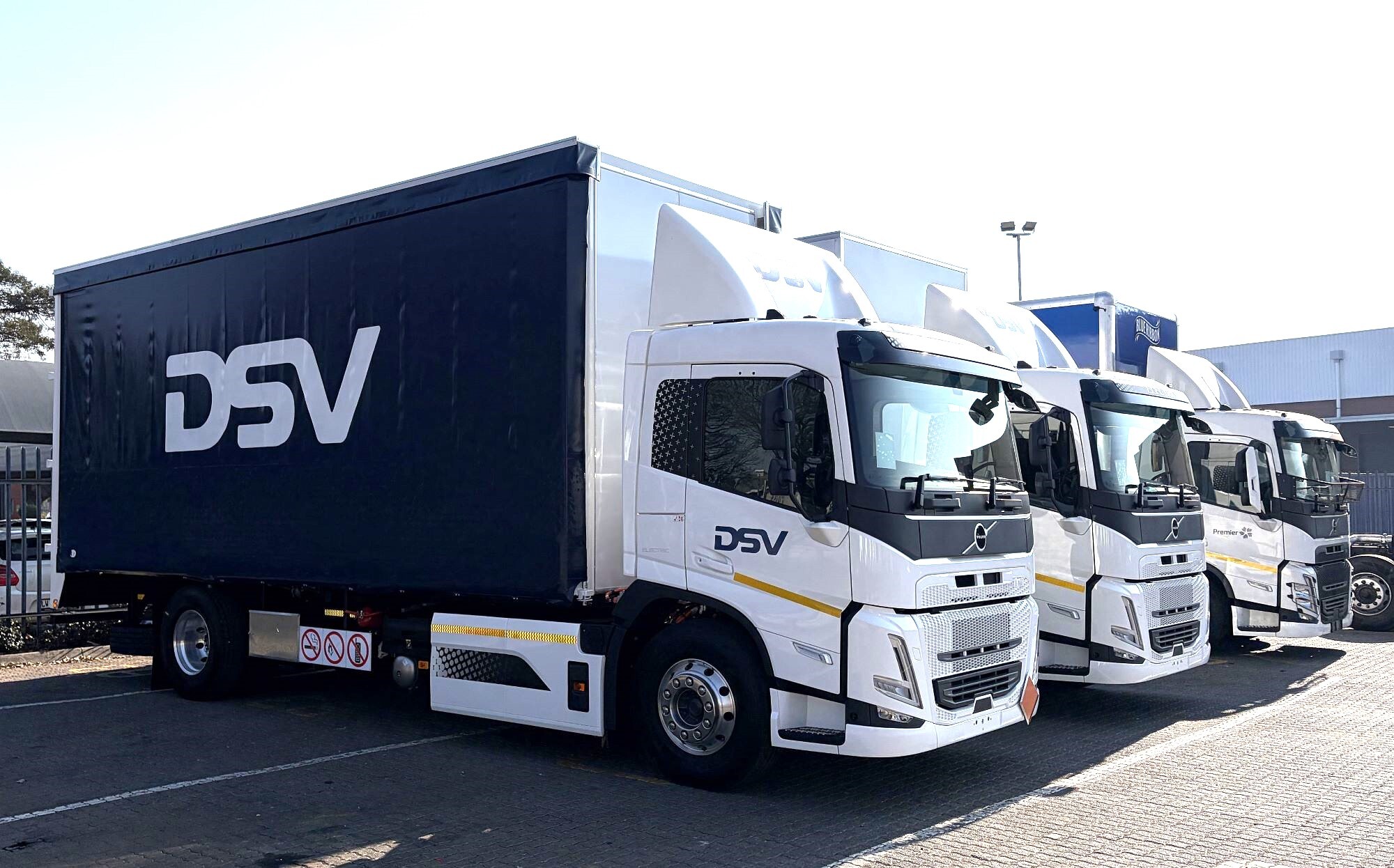
Volvo Trucks South Africa's growing fleet of battery electric vehicles has travelled more than a quarter of a million kilometres in commercial operation. This significant milestone marks a major step in South Africa’s transition to sustainable transport.
Share with friends
First introduced in the South Africa in 2023, these customer fleet vehicles have proven themselves across a variety of applications, helping companies reduce emissions while gaining valuable experience in electric transport operations. The kilometres accumulated so far have been achieved using Volvo's current generation of extra heavy electric truck models.
“While a quarter of a million kilometres may seem modest compared with the more than 400 million already accumulated by Volvo electric trucks globally, it represents a significant achievement in the South African context, where the majority of Volvo electric trucks are operating on shorter-route and urban distribution applications,” says Eric Parry, Senior Manager Sustainable Solutions at Volvo Trucks South Africa.
The average distance across all vehicles is 2 000 km per month, with the highest units running consistently at 10 000 km per month. Average consumption across all the units sits at 1.77 kWh/km, which includes small eight tonner 4x2 units with five to seven tonnes payload, all the way up to 6x4 tractors with interlink trailers and 32t and more in payload.
“The milestone reflects the confidence customers have placed in Volvo Trucks' electric transport solutions and demonstrates that battery-electric trucks are successfully meeting the demands of daily commercial operations,” Eric states.
He says the results have been encouraging. "Our customers have embraced this technology with a willingness to learn, adapt and pioneer new ways of operating. Reaching a quarter of a million kilometres is not only a testament to the capability of the trucks, but also to the commitment of the customers and drivers who are making this achievement possible.”
Beyond the distance travelled, the milestone provides practical insight into charging strategies, vehicle utilisation, uptime requirements and driver experience under real South African operating conditions.
All the customer fleets with Volvo electric trucks are charging the units at a depot or a loading/off-loading area, and have invested in their own chargers. Their charging strategies are both slow overnight charges and fast top ups, and depend completely on each operation’s unique requirements.
"One of the most satisfying aspects of this journey has been seeing electric trucks move from being a future concept, to becoming part of everyday transport operations," he says.
Volvo Trucks provides comprehensive dealer and workshop support for electric fleets, offering real-time battery pack monitoring, specialised 24/7 roadside assistance, and range-prediction tools.
Volvo Trucks South Africa is already looking ahead to the next phase of its electromobility journey. Later this year, Volvo Trucks will introduce their new generation of electric trucks offering longer operating range and additional power options, creating opportunities for even more applications and customers to make the transition.
A dispute over the payload ratings of Jetour’s T1 and T2 SUVs has developed further following weighbridge testing in Gauteng, with the Automobile Association (AA) questioning some of the results and Jetour South Africa maintaining that its revised figures have been independently verified.
Chinese vehicle manufacturers continued to record significantly stronger growth than established OEM brands in South Africa during the second quarter of 2026, according to TransUnion's Q2 2026 Mobility Report.
Cars are the ultimate symbol of freedom, independence and individualism. They offer the freedom to ‘go anywhere,’ whenever it suits and with whom one chooses.
South Africa's new energy vehicle market is becoming increasingly diverse, with plug in hybrid electric vehicles (PHEVs) and fully electric vehicles gaining ground while traditional hybrids remain the largest category.
As South Africans celebrate their rich heritage, it is also worth reflecting on a lesser-known chapter of the country's history: its long connection with electric vehicles (EVs).