South Africa's EV market reaches its tipping point
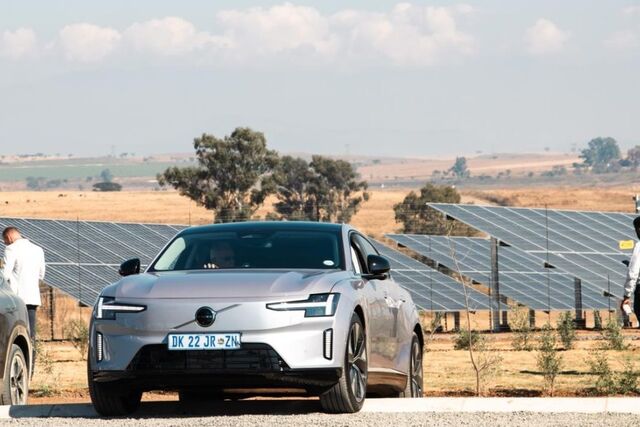
Zero Carbon Charge (CHARGE), which is building a national network of off grid, ultra-fast EV charging stations powered by renewable energy, has welcomed the latest new energy vehicle (NEV) sales figures, saying they confirm a trend it has tracked for several years.
Share with friends
South Africa's NEV market continues to accelerate, with electrified vehicles now accounting for 6% of all new light vehicle sales, roughly one in every 17 sold. Data released by the Automotive Business Council | naamsa shows the sector has more than doubled over the past year.
"The significance of these figures isn't just the number of vehicles sold in a single month," says Joubert Roux, Co-founder and Chair of Zero Carbon Charge. "It's that they confirm a trend we've been watching for several years. Electric mobility is moving beyond early adopters and becoming an increasingly mainstream choice for South African consumers and businesses."
According to naamsa, 3 045 NEVs were sold during June 2026, a 104.2% increase on the 1 491 units recorded in June 2025. Year to date, South Africa has recorded 13 193 NEV sales, comprising 6 667 hybrid electric vehicles (HEVs), 4 623 plug in hybrid electric vehicles (PHEVs) and 1 903 battery electric vehicles (BEVs), with hybrids continuing to lead the market.
Joubert Roux (Co-founder and Chair of Zero Carbon Charge).
Motorists will benefit from a 52 cents per litre reduction in petrol prices from 5 August, while diesel prices are rising sharply, up by 123.44 cents per litre (0.005% sulphur) and 138.44 cents per litre (0.05% sulphur). The Department of Mineral and Petroleum Resources attributes this to tighter global diesel supplies linked to Russian export restrictions and reduced Middle East refinery capacity.
Electric front end loaders are now cheaper than comparable diesel machines. The Everun EREL05 Electric Loader, rated at 500kg, starts from R177 183, against R257 125 for the MCM 912 Front End Loader, rated at 800kg, according to the MCM Group.
In 2023, South Africa's cheapest new EV cost close to R800 000. Today, the Geely E2 Aspire enters the market at R339 900, followed by the BYD Dolphin Surf Comfort at R341 900. The Chery Q launches in September from R350 000, with more Chinese manufacturers expanding their EV ranges below R520 000.
"For years the conversation was about payback periods and total cost of ownership over five or ten years," Joubert says. "Increasingly, in some categories, electric is simply the cheaper option on day one. That changes the conversation for both fleet operators and individual buyers entirely."
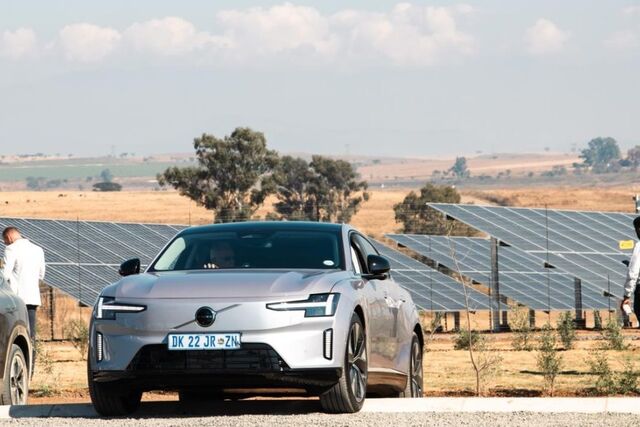
CHARGE is contributing to this through the rollout of solar powered charging stations, including sites recently launched along the N3 corridor between Johannesburg and Durban.
"These figures reinforce why continued investment in charging infrastructure matters," he concludes. "As adoption grows, we need to ensure South Africans have access to a reliable, national charging network that supports the market as it matures."
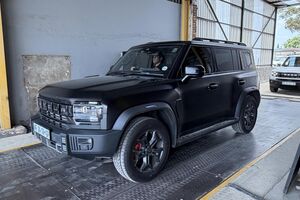
A dispute over the payload ratings of Jetour’s T1 and T2 SUVs has developed further following weighbridge testing in Gauteng, with the Automobile Association (AA) questioning some of the results and Jetour South Africa maintaining that its revised figures have been independently verified.
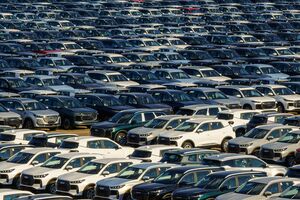
Chinese vehicle manufacturers continued to record significantly stronger growth than established OEM brands in South Africa during the second quarter of 2026, according to TransUnion's Q2 2026 Mobility Report.
South Africa's new energy vehicle market is becoming increasingly diverse, with plug in hybrid electric vehicles (PHEVs) and fully electric vehicles gaining ground while traditional hybrids remain the largest category.
As South Africans celebrate their rich heritage, it is also worth reflecting on a lesser-known chapter of the country's history: its long connection with electric vehicles (EVs).