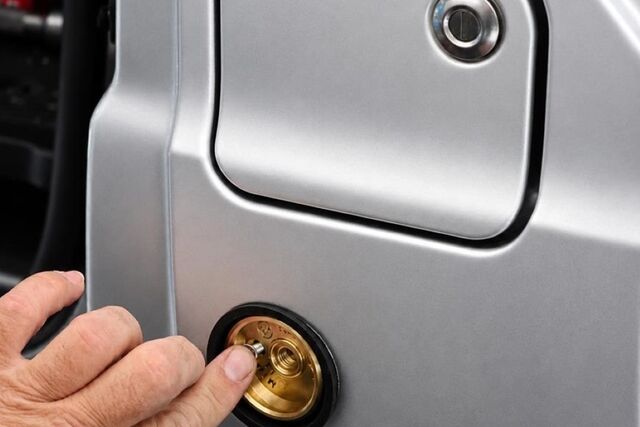
DFSK SA, a division of WilGin Holdings, is reaffirming its commitment to reliable and affordable mobility through advanced LPG (Liquefied Petroleum Gas) technology engineered specifically for long-term engine durability.
Share with friends
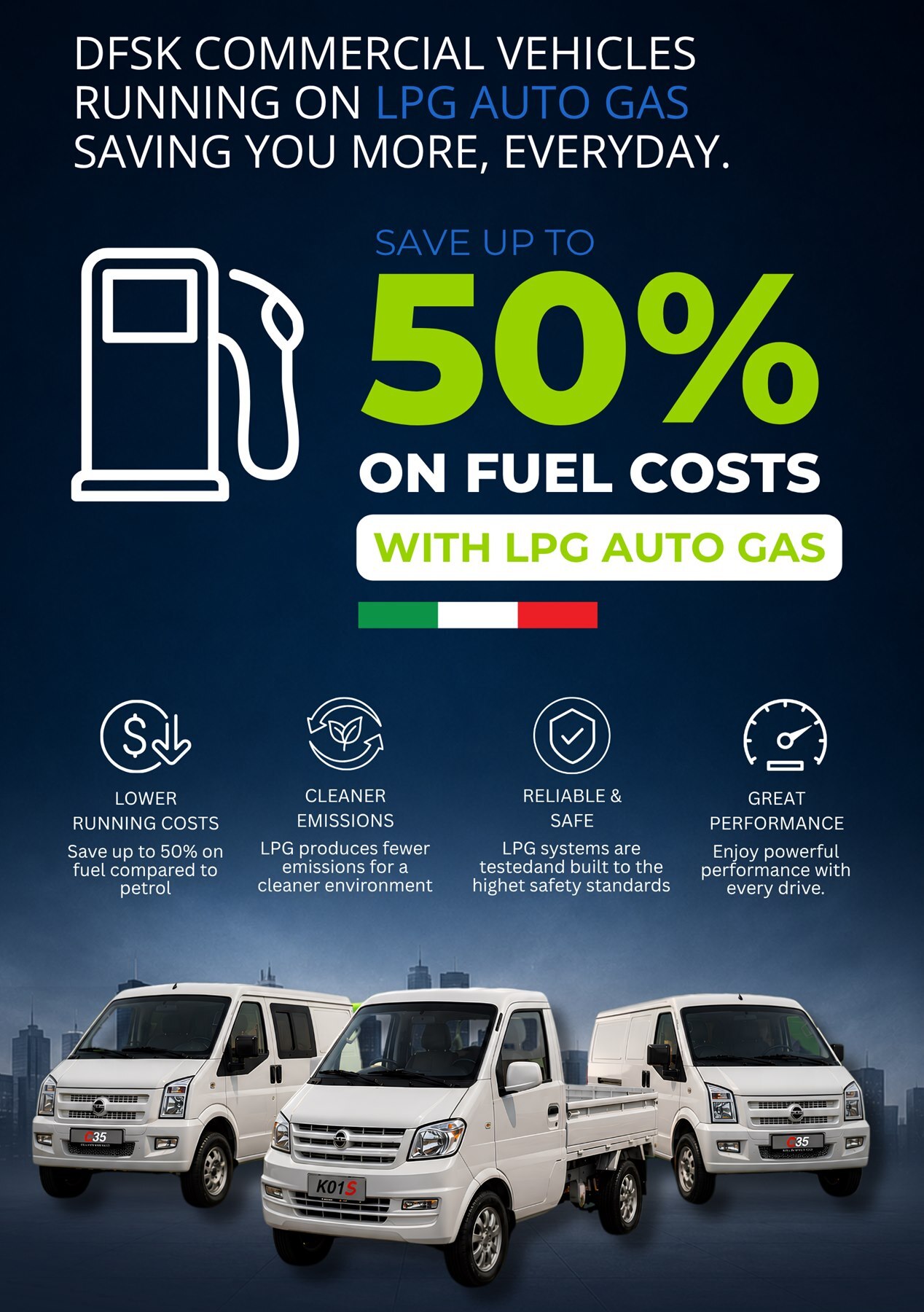
As fuel costs continue to rise, LPG has become an increasingly attractive alternative fuel due to its lower operating costs, cleaner combustion, and reduced emissions.
However, concerns regarding engine longevity and higher combustion temperatures have often been associated with conventional LPG conversion systems, DFSK SA says.
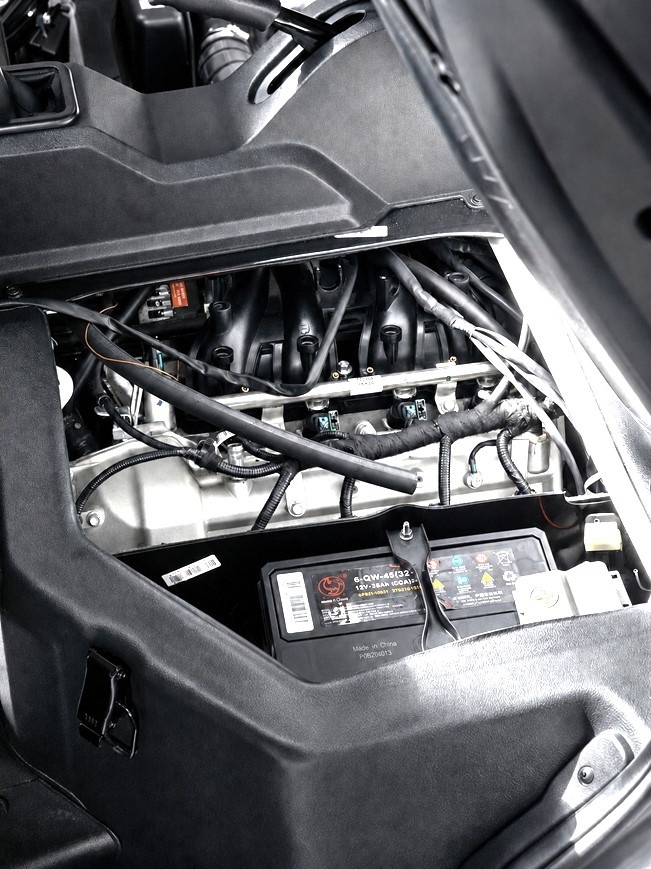
Unlike many basic LPG systems that operate exclusively on gas, DFSK SA vehicles utilise a dedicated LPG Electronic Control Unit (ECU) that continuously monitors engine speed. Once predetermined RPM thresholds are reached, the system automatically introduces petrol injection alongside LPG operation.
This dual-fuel strategy provides several important advantages:
Enhanced valve and valve seat protection
Improved combustion cooling at higher engine speeds
Reduced thermal stress within the combustion chamber
Increased engine durability and longevity
Consistent performance under demanding driving conditions
"LPG technology offers substantial savings for motorists and fleet operators, but the quality of the engineering behind the system is what ultimately determines reliability," says Gina Giani, CEO of WilGin Holdings.
"Our approach has always been to combine the economic benefits of LPG with practical engine protection measures. By strategically introducing petrol at higher RPM ranges, we help manage combustion temperatures and support long-term engine durability without compromising fuel-saving benefits," she says.
The result is a fuel system that delivers lower running costs while maintaining the reliability expected from a modern commercial vehicle platform. In addition LPG combustion produces fewer deposits than conventional petrol operation, contributing to cleaner engine operation and reduced environmental impact.
Through ongoing investment in technology and product development, DFSK SA says it continues to demonstrate that alternative fuel solutions can deliver both meaningful operating savings and dependable long-term performance.
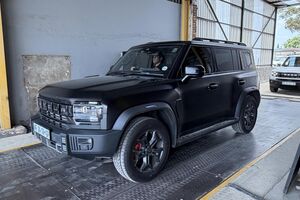
A dispute over the payload ratings of Jetour’s T1 and T2 SUVs has developed further following weighbridge testing in Gauteng, with the Automobile Association (AA) questioning some of the results and Jetour South Africa maintaining that its revised figures have been independently verified.
Chinese vehicle manufacturers continued to record significantly stronger growth than established OEM brands in South Africa during the second quarter of 2026, according to TransUnion's Q2 2026 Mobility Report.
South Africa's new energy vehicle market is becoming increasingly diverse, with plug in hybrid electric vehicles (PHEVs) and fully electric vehicles gaining ground while traditional hybrids remain the largest category.
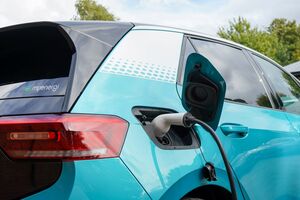
As South Africans celebrate their rich heritage, it is also worth reflecting on a lesser-known chapter of the country's history: its long connection with electric vehicles (EVs).