BYD to focus on SA’s energy and mobility challenges
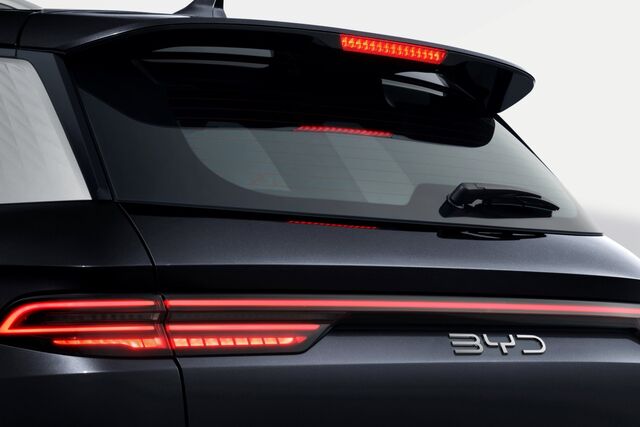
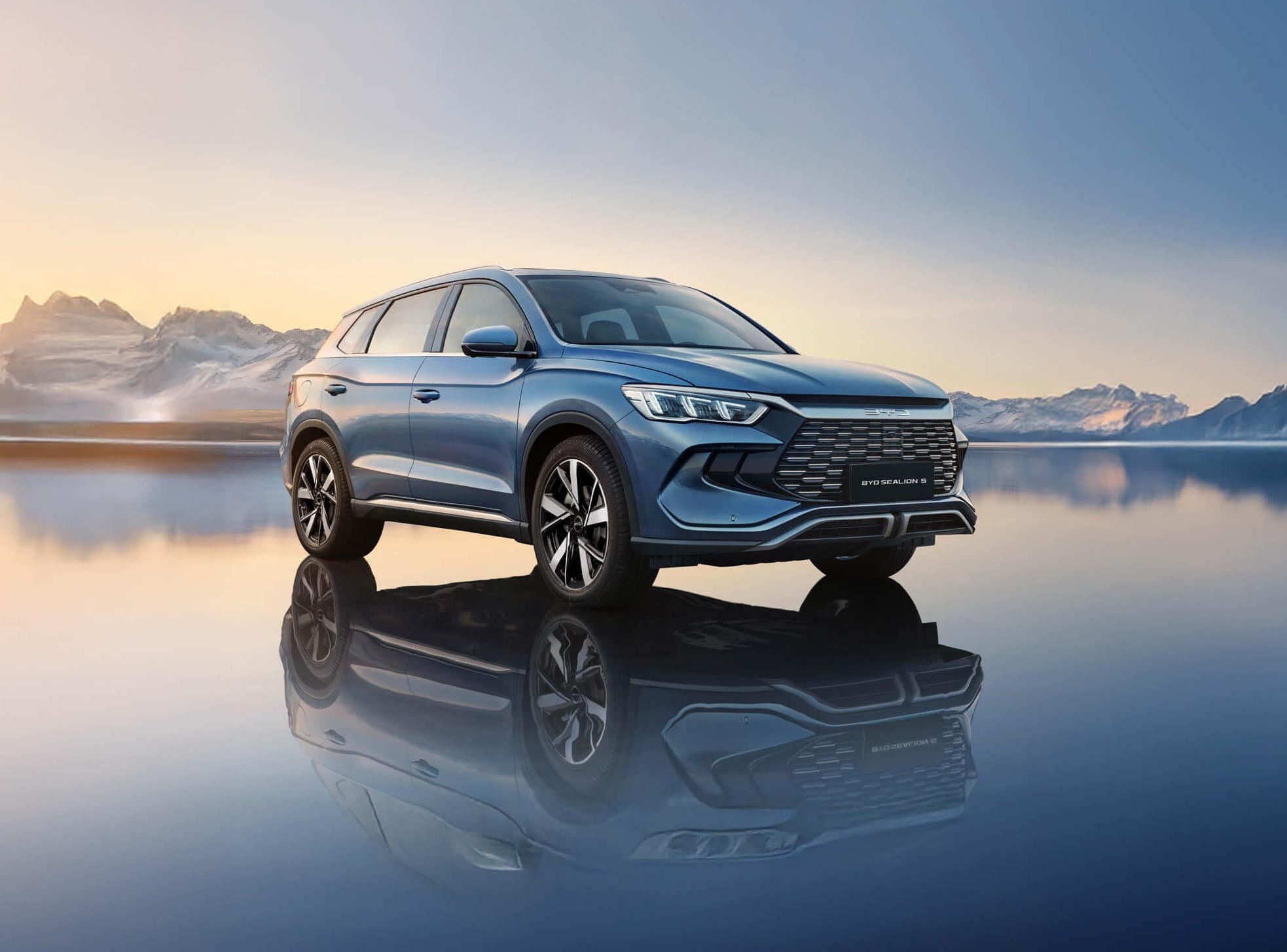
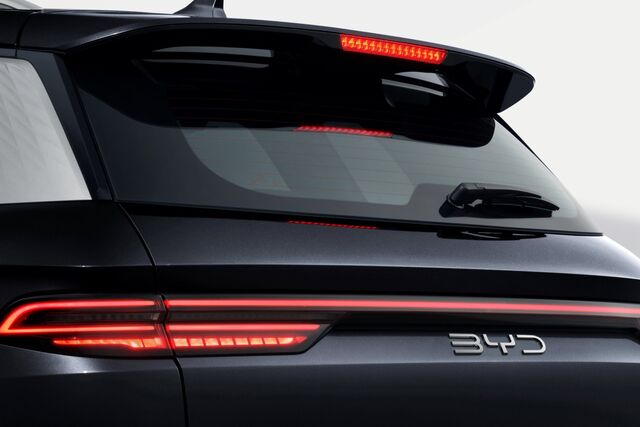
BYD says the arrival of the Sea Lion 5 marks another milestone in the manufacturer’s mission to help solve South Africa’s energy and mobility challenges, not just selling vehicles.
Share with friends
“BYD is not just a car manufacturer. We’re a technology company focused on creating a cleaner, smarter future. The Sea Lion 5 represents how innovation can meet real South African needs, combining energy efficiency, advanced safety and everyday utility,” says Nomonde Kweyi, Marketing Director, BYD Auto South Africa.
Built on BYD’s DMI (Dual-Mode Intelligent) hybrid platform, the plug-in hybrid Sea Lion 5 bridges the gap between electric and conventional mobility, introducing South Africans to electric mobility without the “range fear” that can come with driving pure electric.
The family SUV combines spacious versatility with intuitive technology, featuring a panoramic sunroof, keyless entry, wireless charging, intelligent voice control system and a large infotainment screen that anchors its refined, modern interior.
The launch follows the recent visit to Johannesburg by Stella Li, BYD’s Executive Vice President, who reinforced the company’s long-term commitment to South Africa. During her engagements, she highlighted BYD’s ambition to support South Africa’s transition to cleaner transport and energy solutions, with investment plans spanning new-energy vehicles, charging infrastructure and partnerships with government and the private sector, aimed at strengthening the country’s sustainable automotive ecosystem.
Full specifications and pricing for the Sea Lion 5 will be revealed at an official media launch in November followed by consumer sales across BYD dealerships countrywide.
The Sea Lion 5 joins BYD’s growing local portfolio of Pure Electric and Super Plug-in Hybrid models, which already include the recently launched BYD Dolphin Surf (South Africa’s most affordable EV) as well as the BYD Sea Lion 6, Sea Lion 7, Shark 6, Seal and others.
Together, these vehicles represent BYD’s vision to make sustainable mobility accessible to every type of South African driver.
A dispute over the payload ratings of Jetour’s T1 and T2 SUVs has developed further following weighbridge testing in Gauteng, with the Automobile Association (AA) questioning some of the results and Jetour South Africa maintaining that its revised figures have been independently verified.
Chinese vehicle manufacturers continued to record significantly stronger growth than established OEM brands in South Africa during the second quarter of 2026, according to TransUnion's Q2 2026 Mobility Report.
South Africa's new energy vehicle market is becoming increasingly diverse, with plug in hybrid electric vehicles (PHEVs) and fully electric vehicles gaining ground while traditional hybrids remain the largest category.
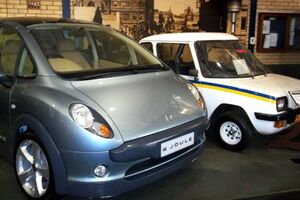
As South Africans celebrate their rich heritage, it is also worth reflecting on a lesser-known chapter of the country's history: its long connection with electric vehicles (EVs).