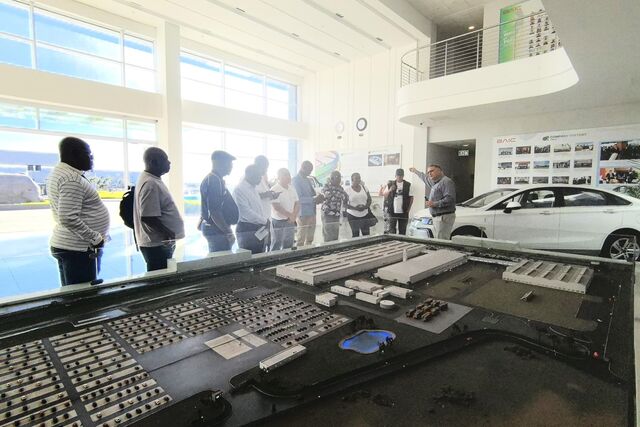
BAIC Automobile South Africa hosted a high-level delegation from the Motor Industry Association of Zimbabwe (MIAZ), alongside key representatives from Zimbabwe’s automotive, labour, government, and business sectors, at its Gqeberha manufacturing plant.
Share with friends
This visit formed part of a broader industry engagement aimed at strengthening regional automotive cooperation and deepening understanding of modern vehicle manufacturing capabilities within the Southern African region.
The delegation included leadership from MIAZ, the National Employment Council for the Motor Industry, the Ministry of Industry and Commerce, the Automotive & Allied Workers Union of Zimbabwe, technical committees, and independent business stakeholders. Together, they represent a cross-section of Zimbabwe’s automotive value chain, from policy and regulation through to labour and industry development.
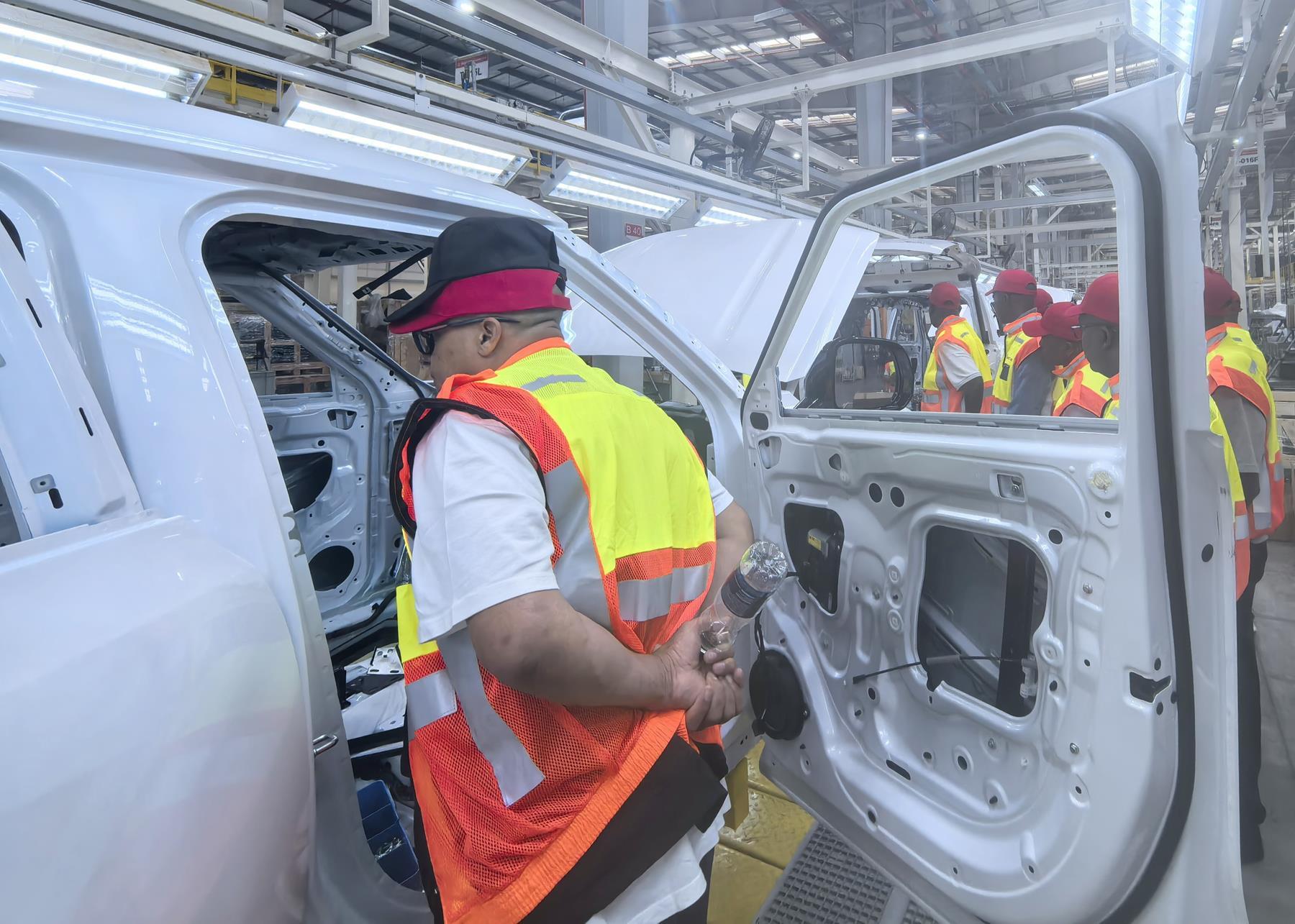
Guests were taken through BAIC South Africa’s production facility, including a detailed walkthrough of the assembly workshops and key operational areas. The visit provided an inside look at BAIC’s manufacturing processes, quality standards, and production capability within the local market.
Looking at vehicle assembly.
Beyond the workshop tour, discussions focused on the future of automotive manufacturing in the region, skills development, and the role of industrial partnerships in building stronger, more competitive regional economies.
The engagement highlighted shared interest in expanding automotive knowledge exchange and exploring opportunities for collaboration across Southern African/ markets.
The visit concluded with an exclusive test drive session, allowing delegates to experience BAIC vehicles first-hand.
BAIC South Africa continues to position itself not only as a manufacturer, but as an active contributor to regional automotive development. The visit from MIAZ and its delegation underscores growing interest in cross-border collaboration and the strengthening of automotive ecosystems across the region, states the Chinse manufacturer.
A dispute over the payload ratings of Jetour’s T1 and T2 SUVs has developed further following weighbridge testing in Gauteng, with the Automobile Association (AA) questioning some of the results and Jetour South Africa maintaining that its revised figures have been independently verified.
Chinese vehicle manufacturers continued to record significantly stronger growth than established OEM brands in South Africa during the second quarter of 2026, according to TransUnion's Q2 2026 Mobility Report.
A dispute over the payload ratings of Jetour’s T1 and T2 SUVs has developed further following weighbridge testing in Gauteng, with the Automobile Association (AA) questioning some of the results and Jetour South Africa maintaining that its revised figures have been independently verified.
Chinese vehicle manufacturers continued to record significantly stronger growth than established OEM brands in South Africa during the second quarter of 2026, according to TransUnion's Q2 2026 Mobility Report.
South African consumers face growing pressure on household finances after the South African Reserve Bank raises interest rates, adding to a range of rising costs that are already influencing vehicle purchasing decisions.