

Chery names its first bakkie Grootman
Chery has named its first bakkie for South Africa Grootman, a name chosen by South Africans. The model is planned to make its local debut in the first quarter of 2027.
- Product News
- 2 October 2026
New vehicle inflation has declined to its lowest level since the fourth quarter of 2011.

The latest TransUnion SA Vehicle Pricing Index (VPI) revealed that the increase in new vehicle prices moved from 9.6% in the fourth quarter of 2020 to 2.0% in the fourth quarter of 2021.
The used vehicle index soared from 2.9% to 7.0% in the same period, which means used cars continued to get relatively more expensive in the face of changing consumer demand and supply.
Kriben Reddy, vice-president of auto information solutions for TransUnion Africa, says the last time the new vehicle index was at this level was in the fourth quarter of 2011, while the used vehicle index has not been this high since the first quarter of 2004.
The VPI measures the relationship between the increase in vehicle pricing for new and used vehicles from a basket of passenger vehicles, which incorporates 15 top volume manufacturers.
The index is created using vehicle sales data from across the industry.
Reddy says the high demand for quality used vehicles, combined with limited supply, is directly driving the used vehicle pricing trends that are evident right now.
“Sourcing inventory has been a major issue, with consumers and fleets alike holding onto their vehicles for longer.
“With a long waiting list for new vehicles, consumers are opting for the used vehicle market, and prices are not going to ease soon, as interest rates remain relatively low, despite recent hikes,” he says.
Despite the new vehicle pricing trends, South African consumers continue to buy more used than new vehicles.
The used-to-new ratio stayed consistent year-on-year, with 2.31 used vehicles sold for every new vehicle.
Of the used vehicles, 33.0% are under two years old, and this continues to decrease as the supply of quality used vehicles remains under pressure.
The percentage of new and used cars being financed in the various price brackets saw activity moving from the under R200 000 bracket in the fourth quarter of 2020 into the R200 000 to R300 000 bracket in the fourth quarter of 2021.
TransUnion says this shows consumers are looking for value in the used vehicle market despite recent interest rate hikes.
Reddy says the car market is seriously affected by the macroeconomic outlook, with the economy contracting for the first time after four consecutive quarters of growth towards the end of 2021.
“Consumer confidence remains below zero, and the household debt-to-income ratio remains high, which puts significant pressure on consumers’ disposable income.
“As a result, many consumers will stay out of the new car market at this stage, despite its relative affordability,” he says.
TransUnion says overall the industry continues its slow recovery from the effects of the COVID-19 pandemic and the civil unrest experienced earlier in 2021.
It says total financial agreement volumes in the passenger market increased by 2.8% year-on-year, with new passenger finance deals up 2.6% despite the semiconductor shortage which has disrupted new vehicle supply chains.
Used passenger vehicle deals were up by 2.9%. Commenting on consumer buying patterns, TransUnion says 47.0% of new and used financed vehicles are hatchbacks while 25.0% are sport utility vehicles (SUVs).
It added that crossovers make up a higher proportion of new vehicles financed than sedans, which is indicative of consumers looking for multipurpose vehicles.

Chery has named its first bakkie for South Africa Grootman, a name chosen by South Africans. The model is planned to make its local debut in the first quarter of 2027.
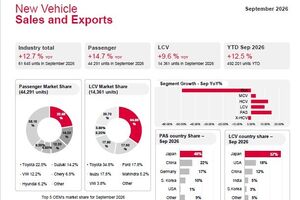
South Africa’s new vehicle market recorded aggregate domestic sales of 61 645 units in September 2026, an increase of 12.7% compared with the 54 706 units sold during September 2025.

SA Auto Week 2026 is scheduled to take place in eThekwini, KwaZulu-Natal, from 13 to 16 October, with the event marking five years of SA Auto Week.
 Advertisement
 Advertisement
I have bad reflexes. I was once run over by a car being pushed by two guys
Woody Allen
South Africa’s new vehicle market recorded aggregate domestic sales of 61 645 units in September 2026, an increase of 12.7% compared with the 54 706 units sold during September 2025.
SA Auto Week 2026 is scheduled to take place in eThekwini, KwaZulu-Natal, from 13 to 16 October, with the event marking five years of SA Auto Week.
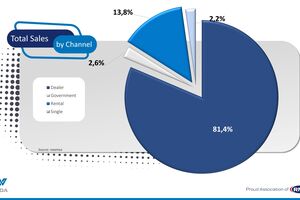
South Africa’s domestic new-vehicle market strengthened in September, recording 61 645 sales, its highest monthly total of 2026. Sales increased by 3 747 vehicles, or 6.5%, from August’s originally reported total and were 12.7% higher than in September 2025.