Vehicle market remains resilient as new challenges emerge
South Africa's automotive sector continued its recovery during the first quarter of 2026, supported by improving economic conditions, stronger consumer confidence and favourable financing conditions.
Share with friends
However, the Q1 2026 Mobility Report by TransUnion shows that while the market entered the year on a stronger footing, rising geopolitical tensions, higher fuel prices and growing inflationary pressures are creating a more uncertain outlook for the months ahead.
The report notes that several factors combined to support vehicle demand during the opening quarter of the year. Inflation had eased compared with previous periods; interest rates had fallen from earlier highs and electricity supply disruptions remained limited. Together with improving financial market conditions, these developments strengthened household resilience and encouraged consumer spending.
Passenger vehicle sales reflected these improving conditions. Demand remained resilient throughout the quarter, while new vehicle registrations continued to outperform the used vehicle market. Although used vehicles still account for most transactions, the ratio of used to new vehicle registrations declined to its lowest level during the reporting period, indicating that favourable financing conditions and relatively low vehicle price inflation continued to support new vehicle purchases.
Dealer confidence also strengthened considerably. According to the report, dealer sentiment reached its highest level in 13 years during the first quarter of 2026, reflecting elevated sales volumes, supportive financing conditions and continued demand across the passenger vehicle market.
Despite this positive domestic performance, export markets remain an important source of uncertainty. Passenger vehicle exports continued to face pressure as geopolitical tensions, increasing protectionism and changing global trade conditions affected international demand. While there are signs that export conditions are stabilising, the report identifies continued weakness in export markets as one of the key risks facing the industry.
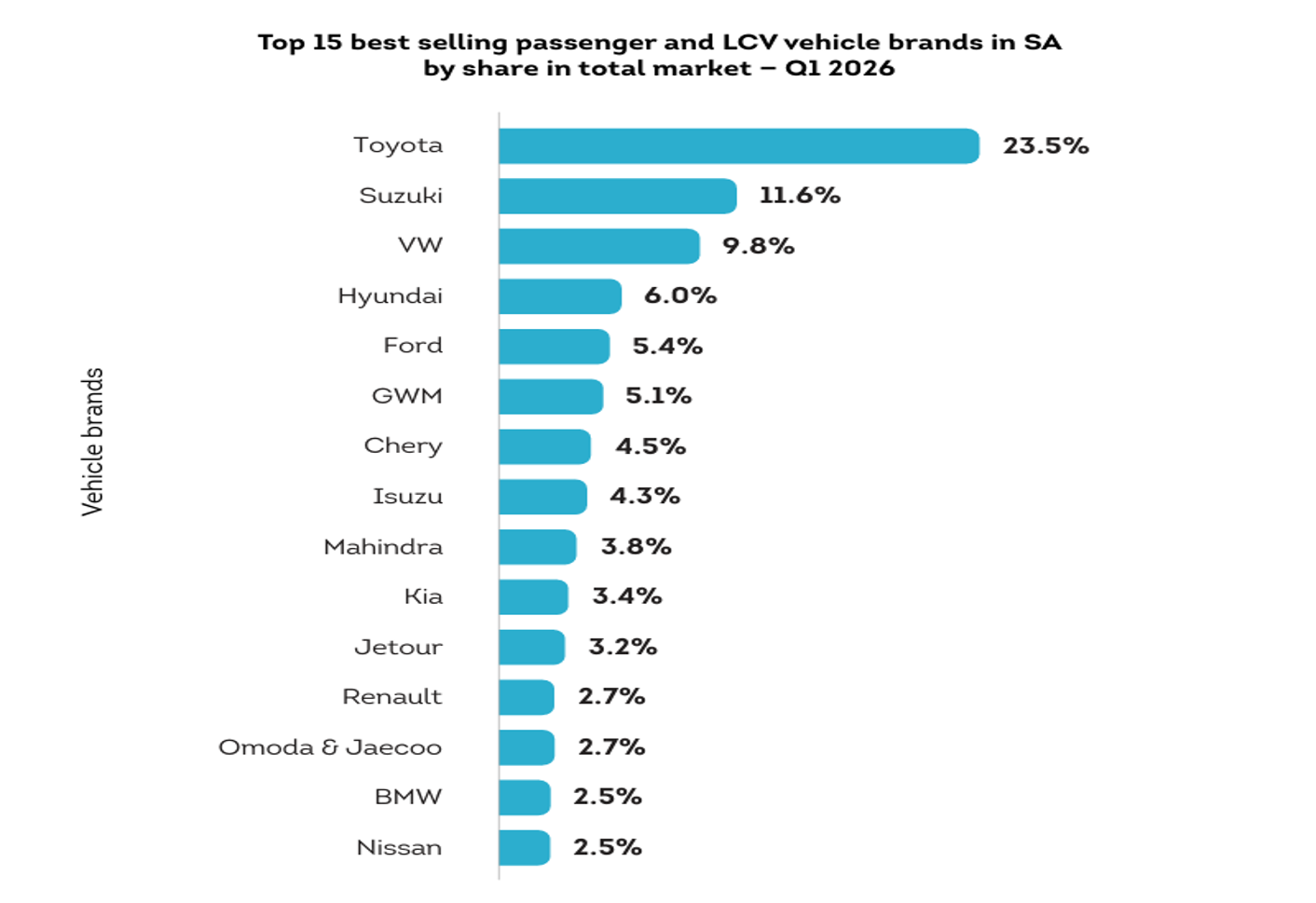
The report identifies several factors that continue to support vehicle sales. Stable financing conditions, improving credit availability and competitive pricing have helped maintain affordability, particularly among middle and higher income consumers. Competition from Chinese manufacturers has also contributed to pricing pressure across the market, improving affordability for buyers while increasing competition among established brands.
Consumer confidence also improved during the quarter, although households remain cautious when making major purchases. While more consumers indicated an intention to purchase a vehicle over the coming three months, affordability remains a significant consideration and borrowing costs continue to influence purchasing decisions.
Looking ahead, the report expects the pace of growth to moderate following the strong recovery experienced during 2025. Rising fuel costs, renewed inflationary pressure and the possibility of tighter monetary policy are expected to increase vehicle operating costs and place additional pressure on affordability. Higher business costs and weaker consumer sentiment could also affect investment, employment and household spending as the year progresses.
Against this backdrop, the report concludes that the automotive market is entering a more selective phase of growth. Financing structures, affordability and the total cost of vehicle ownership are expected to become increasingly important in shaping purchasing decisions.
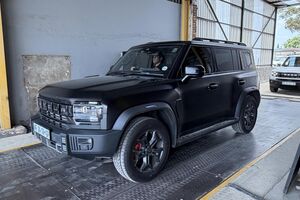
A dispute over the payload ratings of Jetour’s T1 and T2 SUVs has developed further following weighbridge testing in Gauteng, with the Automobile Association (AA) questioning some of the results and Jetour South Africa maintaining that its revised figures have been independently verified.
Chinese vehicle manufacturers continued to record significantly stronger growth than established OEM brands in South Africa during the second quarter of 2026, according to TransUnion's Q2 2026 Mobility Report.
Cars are the ultimate symbol of freedom, independence and individualism. They offer the freedom to ‘go anywhere,’ whenever it suits and with whom one chooses.
A dispute over the payload ratings of Jetour’s T1 and T2 SUVs has developed further following weighbridge testing in Gauteng, with the Automobile Association (AA) questioning some of the results and Jetour South Africa maintaining that its revised figures have been independently verified.
Chinese vehicle manufacturers continued to record significantly stronger growth than established OEM brands in South Africa during the second quarter of 2026, according to TransUnion's Q2 2026 Mobility Report.
South African consumers face growing pressure on household finances after the South African Reserve Bank raises interest rates, adding to a range of rising costs that are already influencing vehicle purchasing decisions.