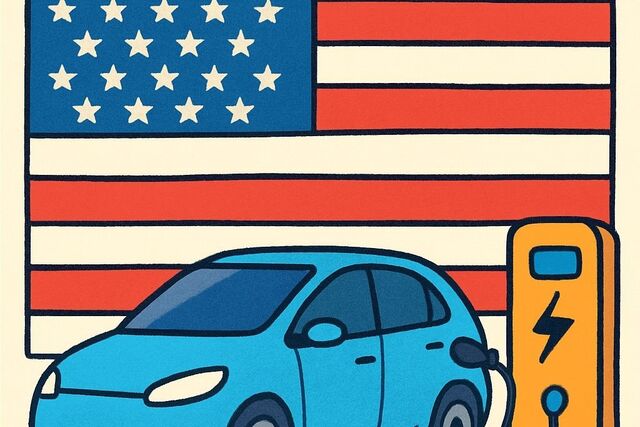
Speaking at a Detroit gathering recently, Ford chief executive, Jim Farley, described the development as "a game-changer", mere hours before the federal subsidy lapsed.
Farley indicated that he would not be surprised if electric car sales plummeted to just 5% of overall US vehicle sales next month. This figure represents approximately half the August level, a monthly high as buyers hastened to benefit from the credit and would rank among the weakest performances in recent years.
Christian Meunier, chairman of Nissan Americas, was equally pessimistic: "The EV market is going to collapse in October." Whilst Japan's Nissan continues launching a refreshed Nissan Leaf compact EV in the American market, Meunier anticipates intense rivalry as competing manufacturers battle to secure buyers for their electric vehicles.
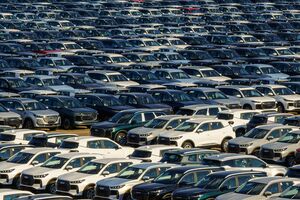
"That competition is going to be super-brutal, because there is an overabundance of stock. Our competitors have built a lot of EVs," Meunier remarked in an interview with Reuters.
The R135 000 tax credit was initially authorised by Congress in 2008 for electric car and plug-in hybrid vehicle buyers. The 2022 Inflation Reduction Act prolonged the incentive, though it simultaneously restricted eligibility to American-built EVs incorporating specified levels of domestically sourced batteries and components.
US President Donald Trump's tax-reduction and spending legislation, enacted in July, established the 30 September termination date. His administration has implemented additional measures potentially hampering EV momentum, including suspending penalties levied on car companies failing to meet fuel-efficiency standards. During last year's campaign, Trump pledged to terminate former President Joe Biden's "EV mandate".
Research conducted jointly by academics from the universities of California, Berkeley, Duke and Stanford in November 2024 suggests electric vehicle registrations could decline by 27% in the absence of the tax credit.
The United States trails other principal automotive markets in EV uptake. In China, the world leader in electric vehicles and battery production, the combined sales of electric and plug-in hybrid vehicles have exceeded 40% in recent months. Europe's adoption rate has remained near 20%.
Despite the American tax incentive being available, electric car sales growth had already slowed over the previous two years, prior to this summer's deadline-driven surge. This deceleration occurred notwithstanding manufacturers introducing numerous new EV models.
Certain dealers fear the removal of the R135 000 tax credit will leave them burdened with unsold electric vehicles.