

Chery names its first bakkie Grootman
Chery has named its first bakkie for South Africa Grootman, a name chosen by South Africans. The model is planned to make its local debut in the first quarter of 2027.
- Product News
- 2 October 2026
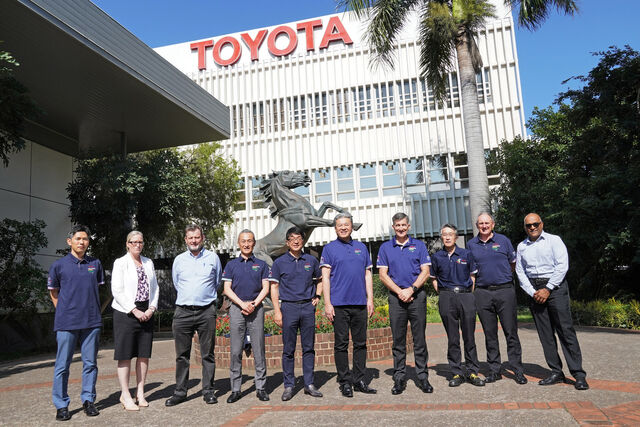
Toyota’s new Global and Regional Policy was announced in South Africa recently on a visit to the country by Hiroki Nakajima, Executive Vice President for Toyota Motor Corporation (TMC), on his first excursion to a regional facility of the manufacturer after being appointed to his new position.
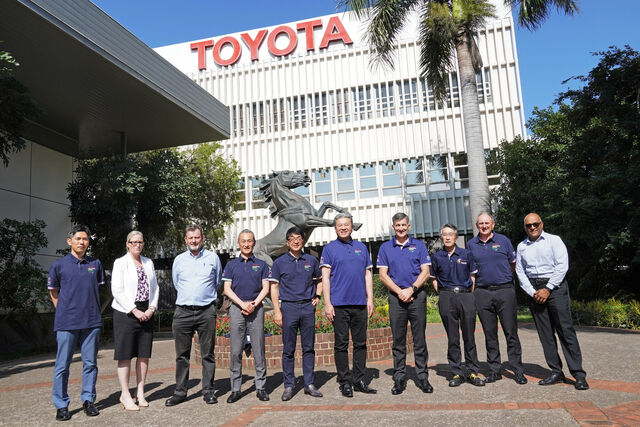
The message he and other dignitaries for Toyota Japan brought includes the plan to reach carbon neutrality by 2050 internationally and positioned Toyota South Africa Motors (TSAM) as the Mother Factory in Africa where parts and vehicle distribution can be further expanded into sub-Saharan Africa.
He is, however, no stranger to the country as the former Chief Engineer for Hilux. He introduced the three key pillars of the Toyota Mobility Concept: Electrification, Diversification and Intelligence.
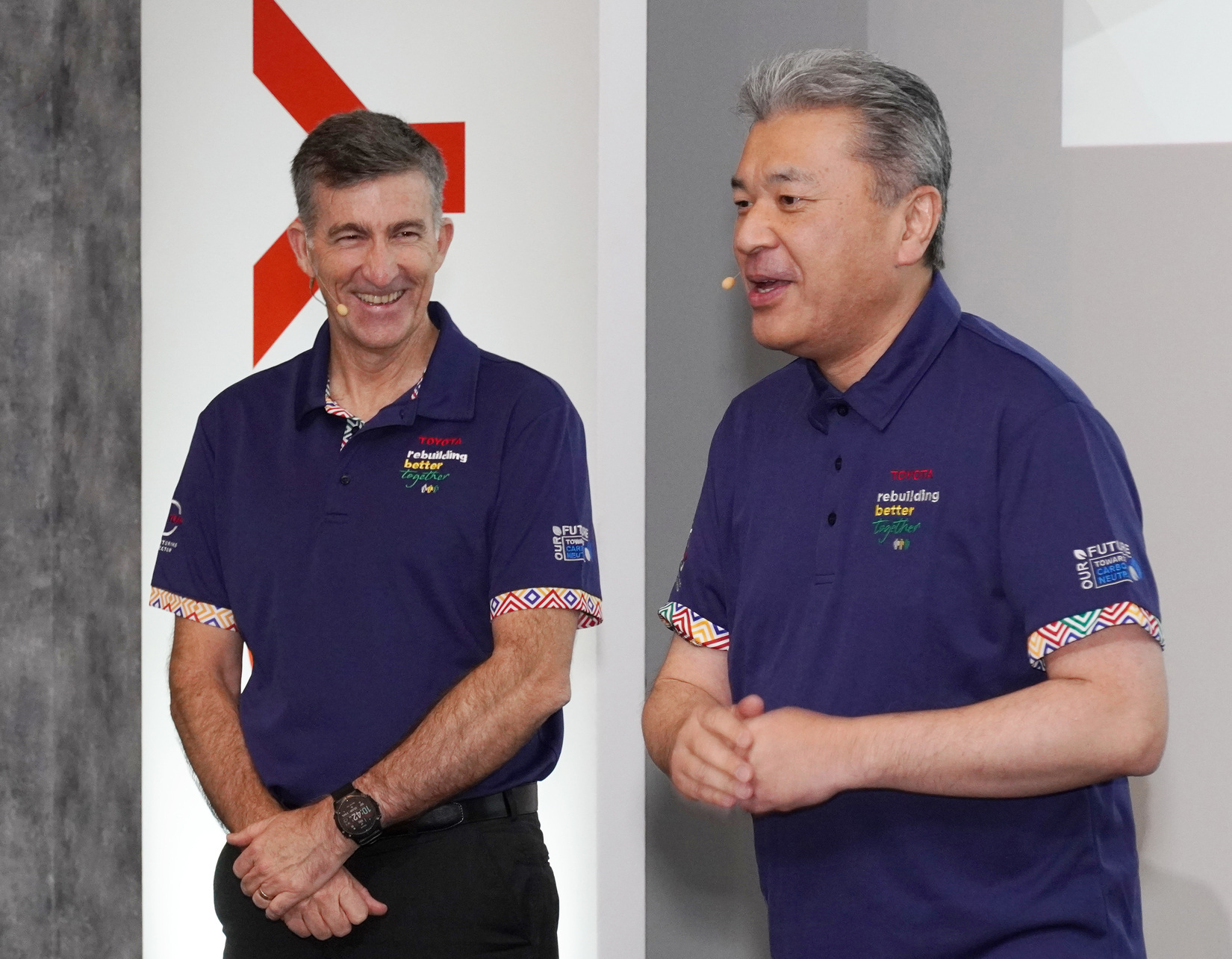
In practical terms, the first pillar of the Toyota mobility concept is a commitment to achieve carbon neutrality (CN) globally by 2050, with key milestones along the way being a 33% reduction of CO2 emissions by 2030 and 50% by 2035. TMC is accelerating Battery Electric Vehicle (BEV) expansion worldwide, aiming for 10 new models by 2026, which would amount to 1.5 million vehicle sales a year.
For Plug-In Hybrid Electric Vehicles (PHEVs), by increasing battery efficiency to extend the EV-mode driving range beyond 200 km, the company will reposition PHEVs as the “practical BEV”. For Hybrids (HEVs), Toyota will continue to improve its product offering with a focus on quality and affordable prices.
According to him, Toyota will pursue mass production of commercial vehicles powered by hydrogen and has added the exploration of carbon-neutral fuels as a sixth element to its multi-pathway approach.
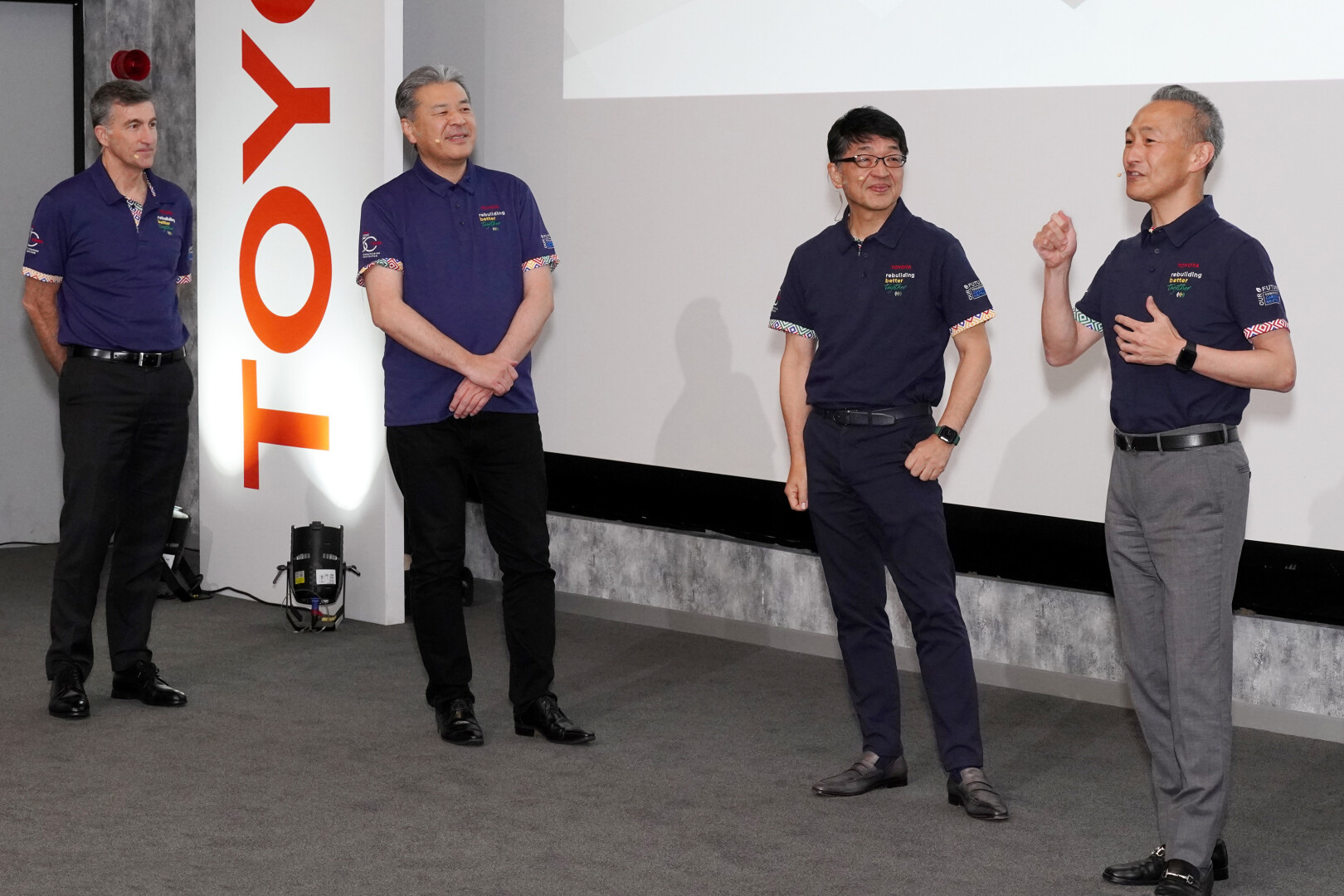
Pillar two of the Toyota Mobility Concept is the new generation of Intelligent cars that will evolve with advanced safety technology, multimedia and feature updates. An onboard operating system for next-generation BEVs will enable users to customise driving feel according to their preferences.
The third pillar is Diversification. Toyota will not only diversify its services into connected technology, parts/accessories and business collaborations with new partners but will also explore new types of energy. Toyota has already begun work in Japan and Thailand on using hydrogen made from water, disposed foods and other waste, as well as carbon-neutral fuels made from biomass and other resources.
Toshimitsu Imai, CEO of TMC Africa Region and Executive Vice President of the Toyota Tsusho Corporation (TTC), revealed how CO2 reduction will be tackled in Africa.
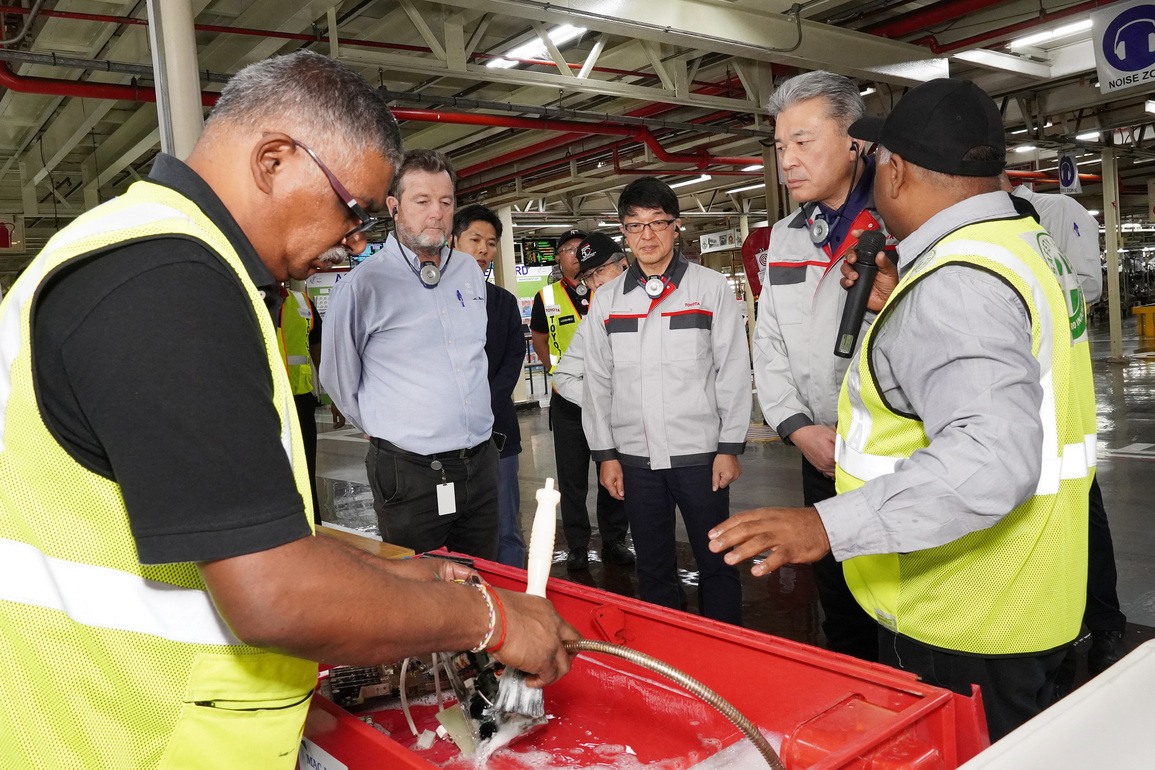
“Our chairman, Akio Toyoda, said: ‘Let’s make ever better cars’ when he became CEO of Toyota in 2009. New CEO, Sato-san said: ‘Let’s change the future of cars. Here we can clearly see ‘Inheritance’ and ‘Evolution’. We, at Toyota Africa, are responsible for mass-producing happiness in Africa.
“There are 54 countries in Africa, each with its unique environment, market and policy to consider. Therefore, with the philosophy of leaving no one behind in Africa, Toyota believes HEV is the best immediate solution for CN, considering the existing infrastructure,” says Toshimitsu.
“In response to such diverse needs, Toyota is preparing all options, including HEV, PHEV, BEV and FCEV under the policy of ‘leaving no one behind’ to tackle Carbon Neutrality with a ‘multi-pathway approach’,” he says.
Especially in Africa, the energy and electricity situation of each country must be considered. Even in South Africa, the main energy source is still fossil fuels, and the electricity supply is not stable, therefore, BEVs are not a practical solution yet. Also, in Africa, vehicles act as a lifeline where there is limited infrastructure.
In such an environment, Toyota believes HEVs are the most practical solution for CN in Africa. They don’t take electricity from the grid, they can reduce CO2 emissions by 40%, make use of existing petrol stations and are more affordable than BEVs.
To that end, TSAM will promote HEV by introducing competitive products in both Toyota and Lexus stables. From a local production point of view, TSAM will expand production volume of Corolla Cross Hybrid derivatives.
New Energy Vehicles (NEVs) currently make up 3% of TSAM sales in South Africa, and the goal is to increase this to 22 000 units (10%) by 2025 and 54 000 units (20%) by 2030. Such measures will ensure a CO2 reduction in line with TMC’s global CN initiatives. A gradual introduction of PHEV, FCEV and BEV will then follow, concluded Toshimitsu.
Chery has named its first bakkie for South Africa Grootman, a name chosen by South Africans. The model is planned to make its local debut in the first quarter of 2027.
South Africa’s new vehicle market recorded aggregate domestic sales of 61 645 units in September 2026, an increase of 12.7% compared with the 54 706 units sold during September 2025.
SA Auto Week 2026 is scheduled to take place in eThekwini, KwaZulu-Natal, from 13 to 16 October, with the event marking five years of SA Auto Week.
 Advertisement
 Advertisement
I have bad reflexes. I was once run over by a car being pushed by two guys
Woody Allen
South Africa’s new vehicle market recorded aggregate domestic sales of 61 645 units in September 2026, an increase of 12.7% compared with the 54 706 units sold during September 2025.
SA Auto Week 2026 is scheduled to take place in eThekwini, KwaZulu-Natal, from 13 to 16 October, with the event marking five years of SA Auto Week.
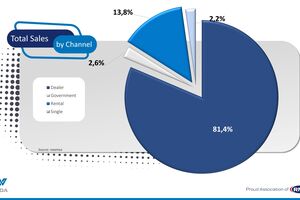
South Africa’s domestic new-vehicle market strengthened in September, recording 61 645 sales, its highest monthly total of 2026. Sales increased by 3 747 vehicles, or 6.5%, from August’s originally reported total and were 12.7% higher than in September 2025.