Toyota and Government partnership on Hydrogen Mobility in SA
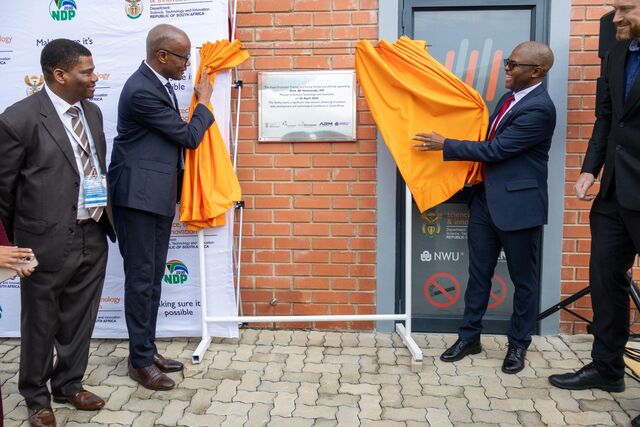
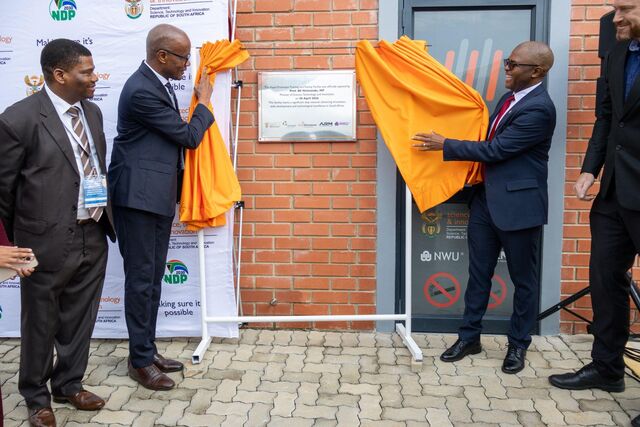
Toyota South Africa Motors (TSAM), together with the Department of Science, Technology and Innovation (DSTI) and Hydrogen South Africa (HySA), reached a milestone in South Africa’s clean energy transition with the handover of a locally developed Mobile Hydrogen Refuelling Station at North West University (NWU).
Share with friends
The project forms part of the DSTI’s contribution to South Africa’s just energy transition, hydrogen economy and long-term net zero ambitions, demonstrating how publicly funded research can be translated into safe, commercially viable infrastructure through strategic public private partnerships.
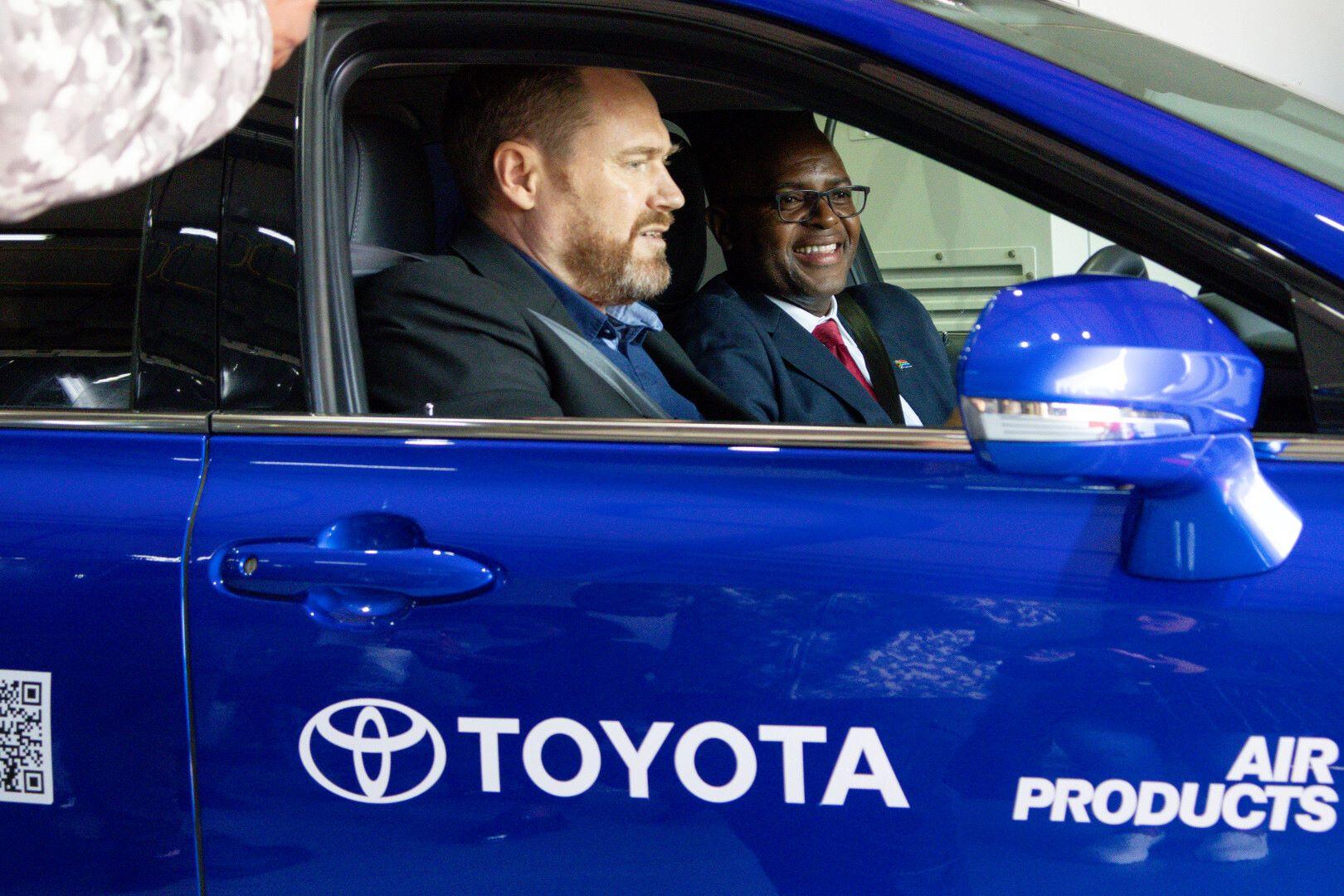
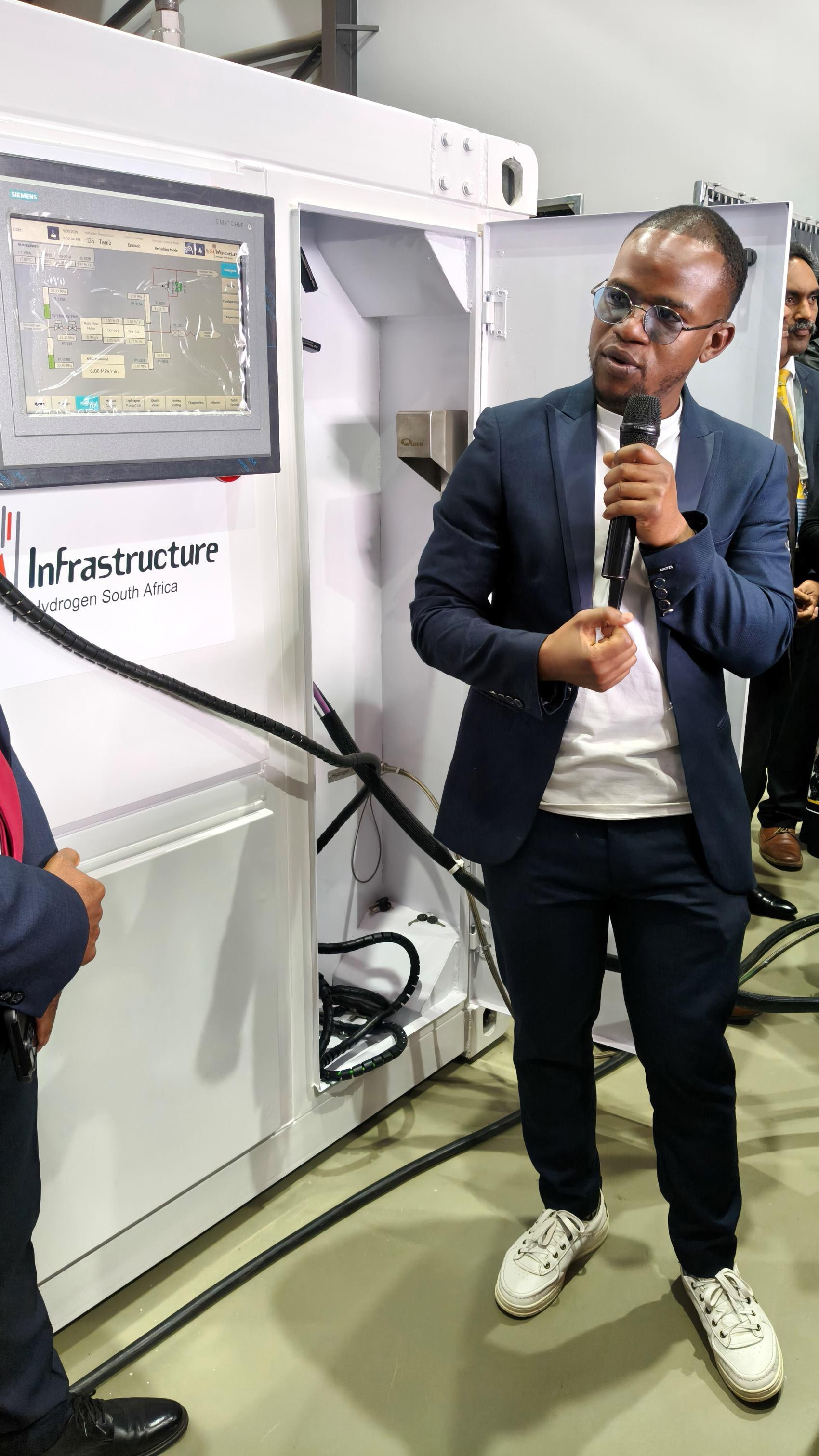
Developed by HySA Infrastructure in collaboration with TSAM, the refuelling station supports the advancement of hydrogen mobility, particularly for commercial transport applications. The refuelling station also serves as a live demonstration platform for hydrogen fuel cell electric vehicle technologies, showcased through the Toyota Mirai.
For Toyota, the initiative reinforces its long-standing commitment to a multi pathway approach to carbon neutrality. This approach recognises that different regions and use cases require a mix of technologies, including hybrids, plug in hybrids, battery electric vehicles and fuel cell electric vehicles.
“Hydrogen is an important part of Toyota’s multi-pathway strategy for achieving carbon neutrality. This milestone is not only about new technology but about building a viable hydrogen ecosystem that is safe, standards‑compliant and suitable for South African conditions. As a company, we are happy to support government’s goals towards the decarbonisation of the transport sector,” said Anton Smalberger, Senior Manager for New Energy Business Development at Toyota South Africa Motors.
The hydrogen refueller was developed using South African engineering expertise and complies with 42 international and local standards, underscoring its readiness for commercial application and its role in building a credible hydrogen mobility ecosystem.
Speaking at the event, DSTI Director General Dr Mlungisi Cele noted that the handover illustrated the successful translation of publicly funded research into infrastructure that supports industrial development, skills creation and energy security while enabling the decarbonisation of key sectors of the economy.
Alongside the refueller, the launch of the Rapid Prototyping, Testing and Training Facility at NWU further strengthens South Africa’s hydrogen innovation capability thus supporting the scaling of green hydrogen technologies.
Anton adds that hydrogen commercialisation requires collaboration, patience and credibility. “This project demonstrates that South Africa can move from research to reality and that Toyota is committed to being part of that journey in support of the country’s just energy transition.”
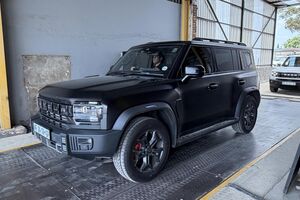
A dispute over the payload ratings of Jetour’s T1 and T2 SUVs has developed further following weighbridge testing in Gauteng, with the Automobile Association (AA) questioning some of the results and Jetour South Africa maintaining that its revised figures have been independently verified.
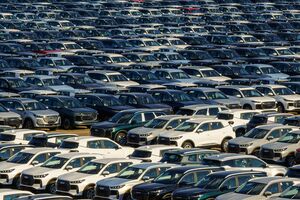
Chinese vehicle manufacturers continued to record significantly stronger growth than established OEM brands in South Africa during the second quarter of 2026, according to TransUnion's Q2 2026 Mobility Report.
A dispute over the payload ratings of Jetour’s T1 and T2 SUVs has developed further following weighbridge testing in Gauteng, with the Automobile Association (AA) questioning some of the results and Jetour South Africa maintaining that its revised figures have been independently verified.
Chinese vehicle manufacturers continued to record significantly stronger growth than established OEM brands in South Africa during the second quarter of 2026, according to TransUnion's Q2 2026 Mobility Report.
South African consumers face growing pressure on household finances after the South African Reserve Bank raises interest rates, adding to a range of rising costs that are already influencing vehicle purchasing decisions.