

Chery names its first bakkie Grootman
Chery has named its first bakkie for South Africa Grootman, a name chosen by South Africans. The model is planned to make its local debut in the first quarter of 2027.
- Product News
- 2 October 2026
A fire at the world’s third largest producer of semiconductors – what the trade calls a chip – may exacerbate the current shortage of chips that is affecting vehicle factories around the world and delaying deliveries of new vehicles to dealerships.
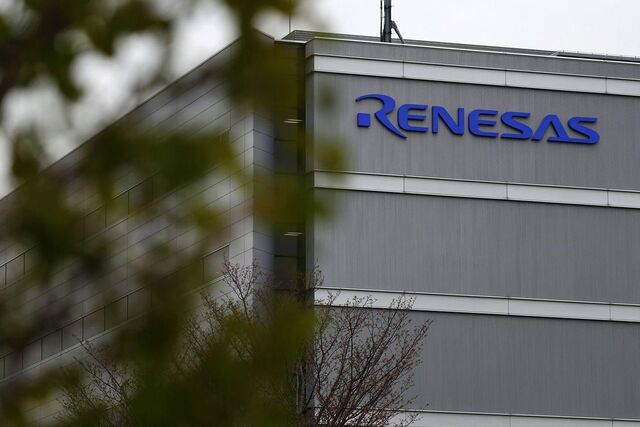
CEO of Renesas Electronic Corporation, Hidetoshi Shibata, said during an online news conference on Sunday, 21 March, that the factory had to halt production at a Japanese plant on Friday after a fire in one of its clean rooms, with smoke damage to systems designed to keep impurities out of the semiconductors. Renesas mainly supplying Toyota. Shibata said the aim is to resume production at the plant during April.
Among South Africa’s five largest exporters of light commercial and passenger vehicles – VW, Toyota, Ford, Merc and BMW, only Toyota reported being affected by the chip current shortage that was caused by lockdowns around the world.
Despite the shortage, Volkswagen managed to build exported 8,208 vehicles from its plant in what was still called Uitenhage in the Eastern Cape in the short month of February, followed by 5,946 from Toyota’s plant in Prospecton, KwaZulu-Natal; 5,805 from the Mercedes-Benz plan in East London in the Eastern Cape; 4,900 from BMW’s plant in Rosslyn, Thswane; and 3,733 vehicles from Ford’s plant in Waltloo, Thswane.
In the Eastern Cape plant, Andile Dlamini, Head of Group Communications at VW, told Dealerfloor the Uitenhage plant is coping and operating as normal.
At the truck side of the Mercedes plant in East London, Gladstone Mtyoko, Head of Manufacturing: Daimler Trucks & Buses Southern Africa, said the semi-conductor chip shortage had no impact on Daimler Trucks and Buses Southern Africa local production at this stage.
In Thswane, Minesh Bhagaloo said the Ford’s assembly lines are rolling along normally, and the informal word from the factory floors at BMW and Nissan is the same.
At Toyota in Prospecton, Mso Witbooi told Dealerfloor the shortage of computer chips attributed to the Covid-19 pandemic is still impacting a range of industries – including the automotive sector.
“Toyota South Africa Motors (TSAM) has not been spared, and we would therefore like to confirm that the global shortage of microchips is impacting our ability to support both domestic and export market demand on certain product derivatives.
However, there is light at the end of the tunnel: we hope that the situation will improve by mid-year. While this has affected our production lines (especially for our hi-spec models) at the Prospecton Plant, it has also enabled us to be more flexible with the use of resources – one of the attributes we’ve had to improve on since the advent of COVID-19,” Witbooi said.
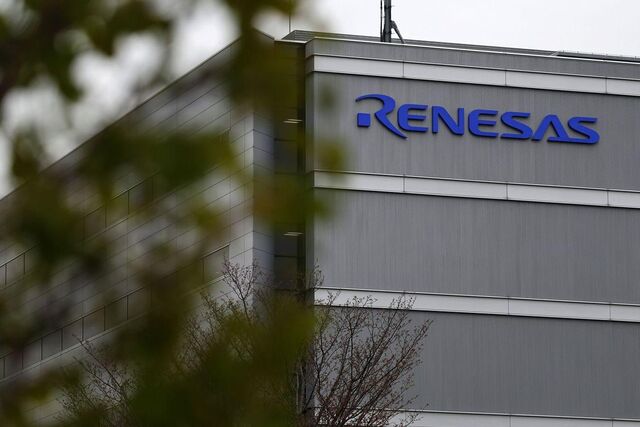
Chery has named its first bakkie for South Africa Grootman, a name chosen by South Africans. The model is planned to make its local debut in the first quarter of 2027.
South Africa’s new vehicle market recorded aggregate domestic sales of 61 645 units in September 2026, an increase of 12.7% compared with the 54 706 units sold during September 2025.

SA Auto Week 2026 is scheduled to take place in eThekwini, KwaZulu-Natal, from 13 to 16 October, with the event marking five years of SA Auto Week.
 Advertisement
 Advertisement
You can't buy happiness but you can buy cars and that's kind of the same thing.
Unknown
South Africa’s new vehicle market recorded aggregate domestic sales of 61 645 units in September 2026, an increase of 12.7% compared with the 54 706 units sold during September 2025.
SA Auto Week 2026 is scheduled to take place in eThekwini, KwaZulu-Natal, from 13 to 16 October, with the event marking five years of SA Auto Week.
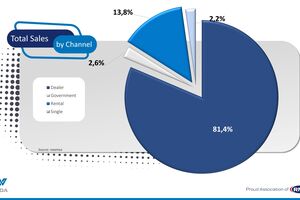
South Africa’s domestic new-vehicle market strengthened in September, recording 61 645 sales, its highest monthly total of 2026. Sales increased by 3 747 vehicles, or 6.5%, from August’s originally reported total and were 12.7% higher than in September 2025.