Stellantis doubles down on smarter cars with Qualcomm partnership
Stellantis is accelerating its push into software defined vehicles through an expanded partnership with Qualcomm Technologies that will bring more advanced driver assistance, connectivity and in car digital systems to its next generation vehicles.
Share with friends
The agreement, announced jointly by the companies will see Stellantis adopt Qualcomm’s Snapdragon Digital Chassis technology across its future vehicle architectures. The move is aimed at creating a common technology foundation across the group’s brands while improving efficiency, lowering development costs and speeding up the rollout of new features.
The partnership covers cockpit systems, connectivity and advanced driver assistance systems, better known as ADAS. It also includes the Snapdragon Ride Pilot platform, which supports Level 2 plus hands free automated driving technologies across millions of future Stellantis vehicles.
According to the companies, the collaboration will be integrated into Stellantis’ STLA Brain electronic and software platform, which is designed to support continuous upgrades and AI driven features throughout a vehicle’s life cycle. The system is expected to underpin future models across Stellantis brands including Jeep, Peugeot, Fiat, Alfa Romeo, Opel and Citroën.
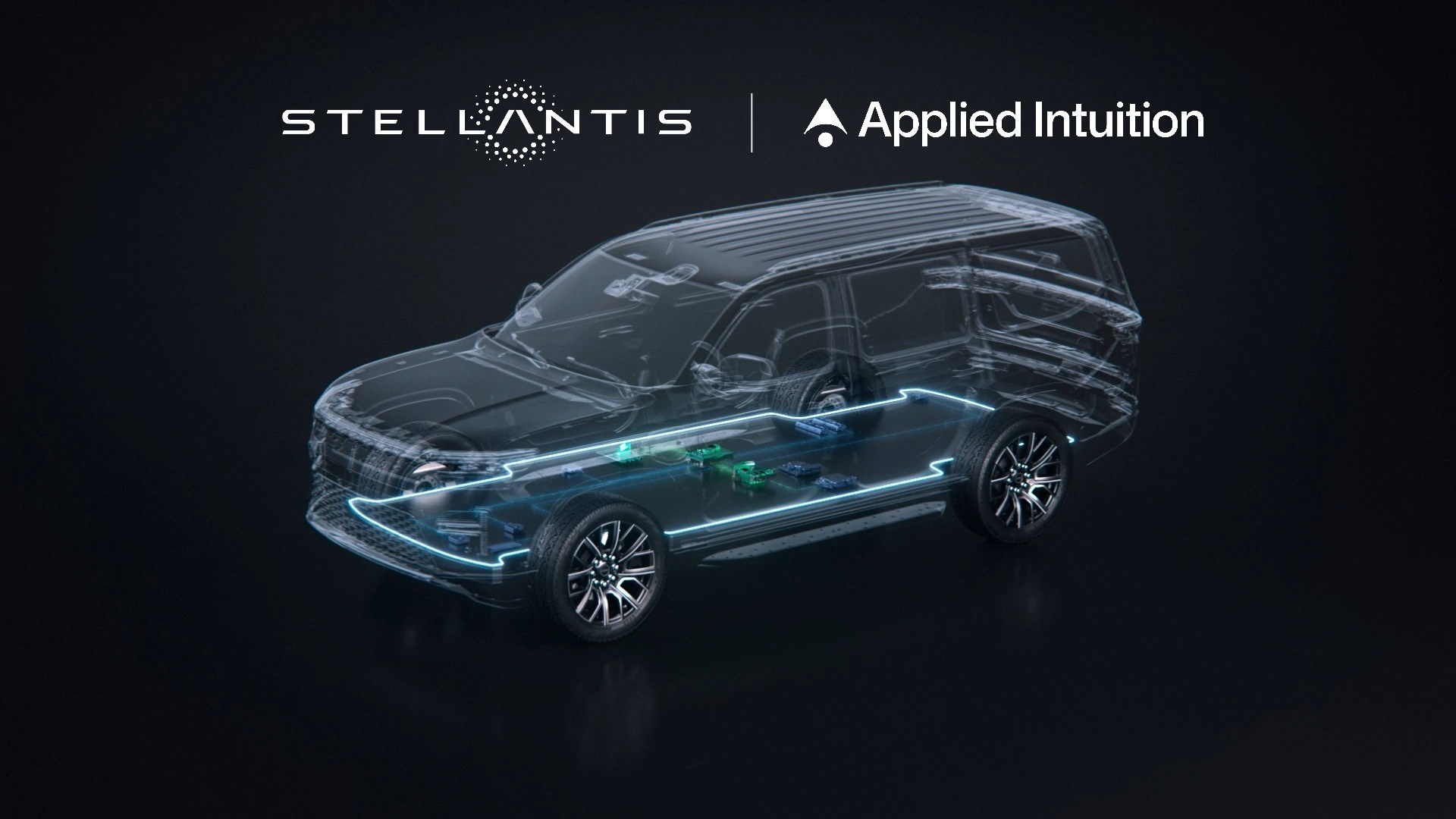
Stellantis and Applied Intuition building on their existing work on STLA SmartCockpit to support the development of the next generation of Stellantis’ STLA Brain intelligent vehicle platform.
Ned Curic, Chief Engineering and Technology Officer at Stellantis, says the technology partnership is central to the group’s ambitions to offer continuously evolving vehicle experiences.
“Our customers deserve seamless, next generation experiences that continuously evolve to meet their driving needs. By deploying this intelligent platform across our global portfolio, Stellantis is delivering on that promise with unprecedented speed and efficiency,” he says.
He adds that the strategic relationship with Qualcomm would help the company scale connected technologies and advanced capabilities across all its brands.
Qualcomm says the agreement marks a significant milestone for both companies as vehicles become increasingly software driven and reliant on high performance computing power.
“This expansion reflects the scale and depth of what Qualcomm and Stellantis have built together, a relationship that spans connectivity, digital cockpit and now ADAS and automated driving,” says Nakul Duggal, Executive Vice President and Group General Manager for Automotive, Industrial and Embedded IoT at Qualcomm Technologies.
The expanded collaboration also includes a non-binding letter of intent involving aiMotive, Stellantis’ automated driving and simulation company. Under the proposed arrangement, aiMotive could join Qualcomm Technologies, subject to regulatory approvals and final agreements between the parties.
The deal reflects the growing shift within the automotive industry towards centralised software architectures and AI enabled vehicle systems, where technology companies increasingly play a critical role alongside traditional car manufacturers.
Applied Intuition partnership also grows
In a separate announcement, Stellantis also confirmed an expanded technology partnership with Applied Intuition focused on the development of its STLA Brain platform.
The collaboration builds on existing work between the companies on the STLA SmartCockpit programme and now extends into core vehicle software systems, simulation and validation technologies.
Ned Curic says the partnership would help Stellantis accelerate the development of a common software foundation across its future platforms while improving speed and quality.
Applied Intuition Co-founder and CEO Qasar Younis says the partnership positions both companies “at the forefront of the transition to AI defined vehicles”.
A dispute over the payload ratings of Jetour’s T1 and T2 SUVs has developed further following weighbridge testing in Gauteng, with the Automobile Association (AA) questioning some of the results and Jetour South Africa maintaining that its revised figures have been independently verified.
Chinese vehicle manufacturers continued to record significantly stronger growth than established OEM brands in South Africa during the second quarter of 2026, according to TransUnion's Q2 2026 Mobility Report.
A dispute over the payload ratings of Jetour’s T1 and T2 SUVs has developed further following weighbridge testing in Gauteng, with the Automobile Association (AA) questioning some of the results and Jetour South Africa maintaining that its revised figures have been independently verified.
Chinese vehicle manufacturers continued to record significantly stronger growth than established OEM brands in South Africa during the second quarter of 2026, according to TransUnion's Q2 2026 Mobility Report.
South African consumers face growing pressure on household finances after the South African Reserve Bank raises interest rates, adding to a range of rising costs that are already influencing vehicle purchasing decisions.