Solar now provides 20% of wheel manufacturer’s energy needs
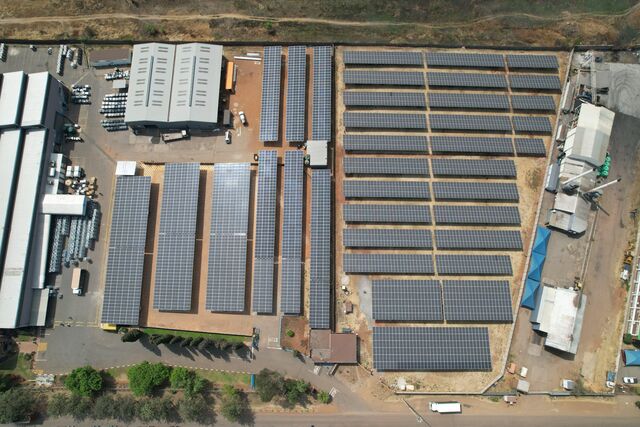
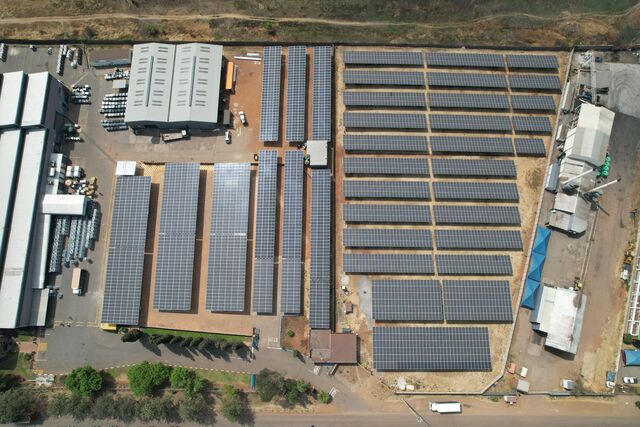
Maxion Wheels, a leading producer and supplier of wheels for passenger and commercial vehicles, and Terra Firma, a South African commercial and industrial solar and storage solutions provider, announced a 2.9MWp solar project powering Maxion’s manufacturing plant in Johannesburg.
Share with friends
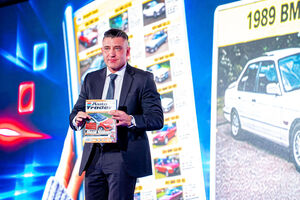
The energisation was celebrated at Maxion Wheels South Africa’s 60th anniversary event.
The carport and ground mount solar installation will supply approximately 20% of the facility’s annual energy needs, reducing Maxion’s reliance on the national grid and providing protection against energy-related tariff increases.
It will also reduce greenhouse gas (GHG) emissions by approximately 5 100 tonnes a year. A second phase of additional rooftop solar capacity is scheduled for completion in Q1 2026, with the possibility of integrating a Battery Energy Storage System (BESS) for energy arbitrage and backup power.
Milos Despotovic.
South Africa’s automotive industry contributes 5.3% of GDP and supports over 500 000 jobs across the value chain. However, the sector is under increasing pressure owing to global trade barriers, growing competition and decarbonisation requirements.
For manufacturers such as Maxion Wheels, where electricity is one of the largest input costs owing to energy-intensive processes, managing energy spend is critical to maintaining competitiveness. Solar power offers an accessible solution that enables manufacturers to reduce and manage costs, improve resilience and reduce climate impact.
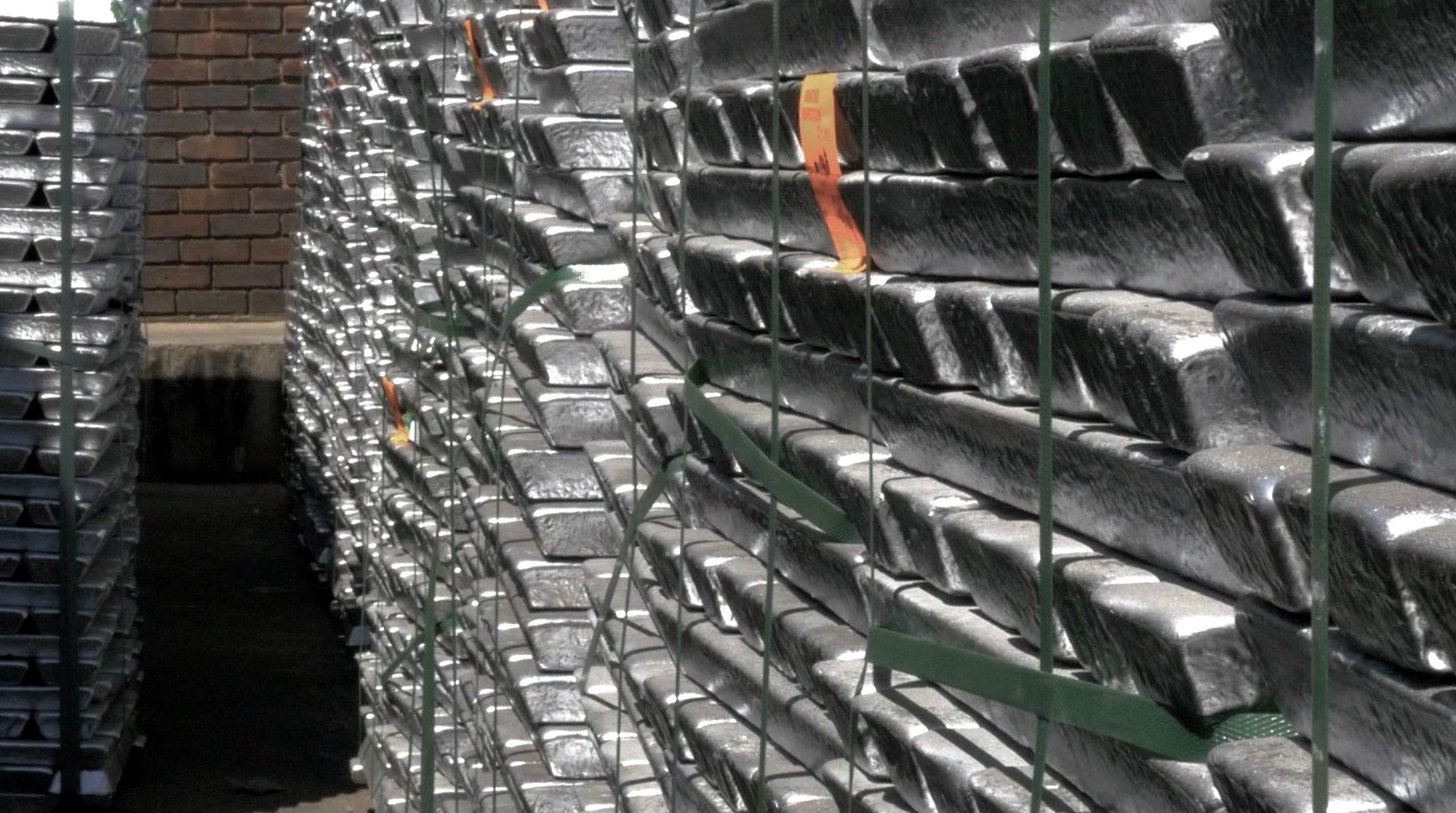
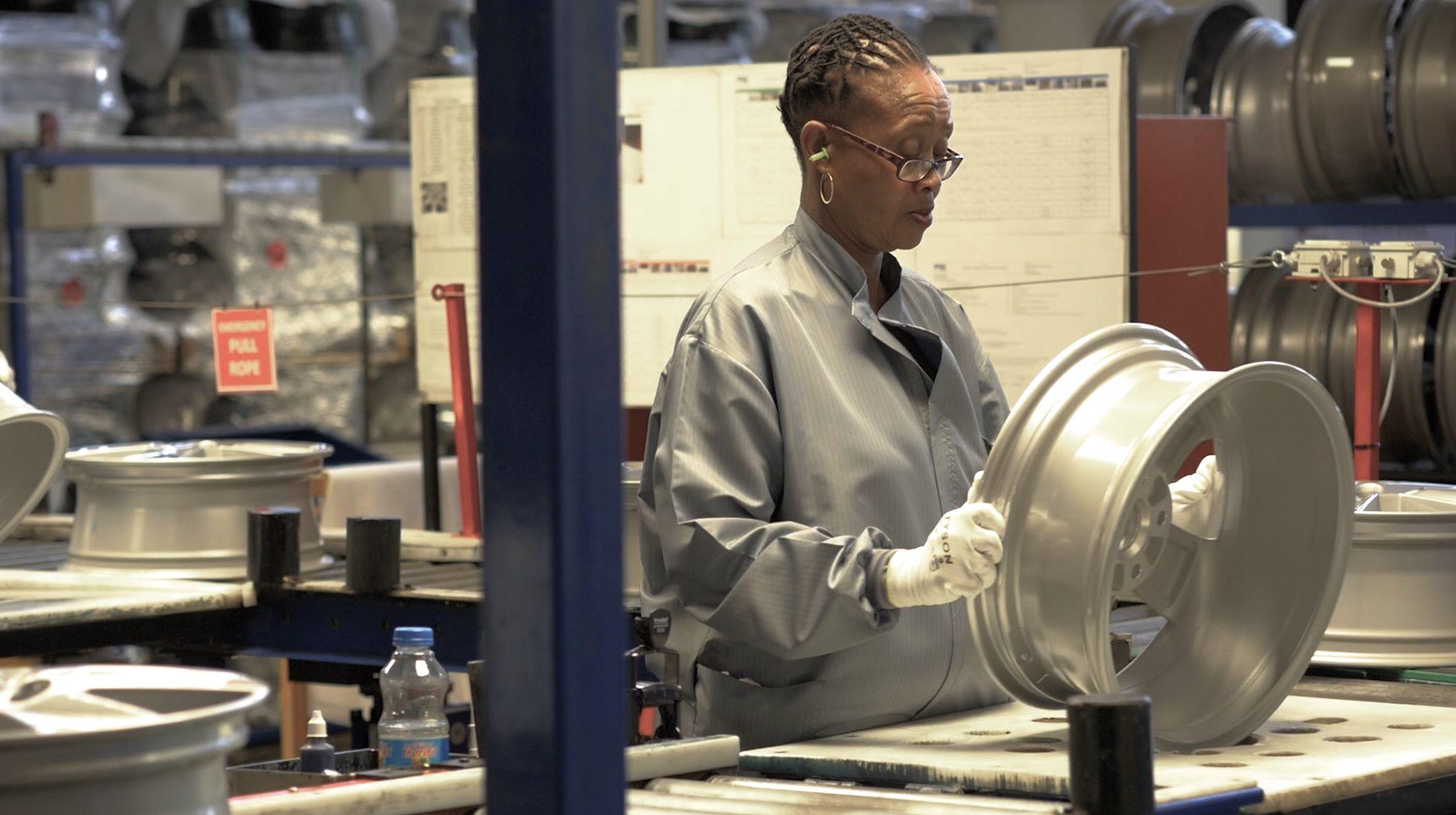
As the world's leading manufacturer of steel and aluminium wheels, Maxion Wheels produces approximately 50 million wheels a year across its 31 locations on five continents. The Johannesburg plant produces high-precision aluminium wheels for major automotive OEM customers in South Africa.
Grant Berndsen.
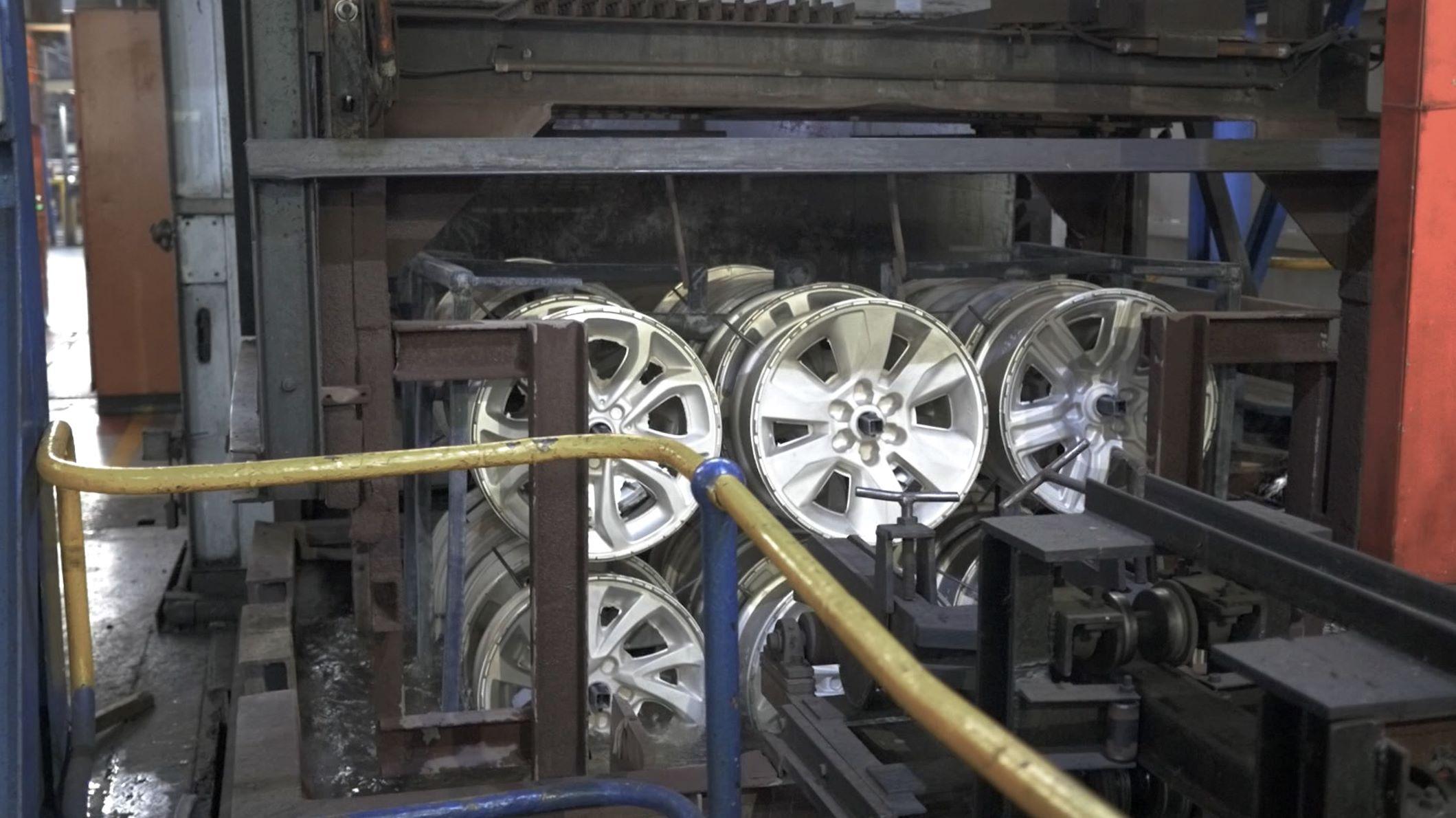
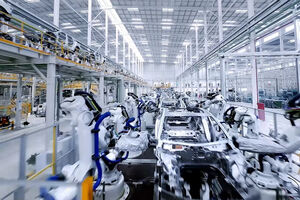
Given the plant’s intensive industrial processes, continuous uptime is mission-critical for Maxion. The plant relies on extensive machinery, including various robots, integrated foundry systems and automated conveyor networks operating around the clock.
For Terra Firma, this meant ensuring continuous power supply while meeting strict health, safety and operational standards at every step of the solar project deployment process.
Under a comprehensive multi-year Power Purchase Agreement (PPA), Terra Firma developed, designed, engineered and installed the project and will manage and maintain it for its lifetime. The PPA delivery model offers the cost and GHG emission reduction benefits of solar power, without the capital expenditures or risks of ownership.
“The 60th anniversary of Maxion Wheels South Africa is an opportunity to celebrate our legacy of manufacturing excellence while looking ahead to how we can continue strengthening our leadership and resilience for decades to come,” says Milos Despotovic, Managing Director of Maxion Wheels South Africa.
“Integrating renewable energy into our operations marks a significant milestone in our Roadmap Zero strategy towards net-zero emissions by 2040 and reinforces our position as a global leader in advanced manufacturing,” he states.
“We thank Maxion Wheels for entrusting Terra Firma as their energy partner to bring this project to life,” says Grant Berndsen, CEO, Terra Firma. “Together, we’re demonstrating how solar power helps to enable long-term sustainability, resilience and global competitiveness for South Africa’s automotive manufacturing sector.”
Buyers with a budget but no shortlist are getting more help, and dealers have a few changes of their own to look forward to. In this article, sponsored by AutoTrader, we look at how AutoTrader is changing how buyers find cars and how dealers get them advertised.
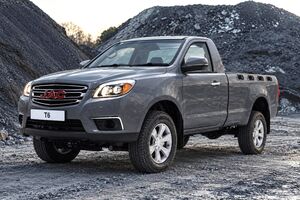
JAC Motors South Africa has launched the T6 2.0L CTi 4x4 single cab bakkie, ten months after the T6 4x2 arrived in January. The T6 4x4 was first sold locally as a double cab in 2017, and it now enters the single cab segment. With this addition, the T-Series offers 4x4 derivatives across the T6, T8 and T9 ranges.
Cheap labour and state subsidies are the usual explanations for Chinese car prices. Research from think tanks and universities suggest the answer is far more complicated.
Cheap labour and state subsidies are the usual explanations for Chinese car prices. Research from think tanks and universities suggest the answer is far more complicated.
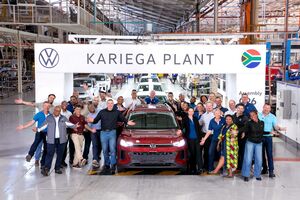
The first Volkswagen Tengo destined for an African customer rolled off the production line at Plant Kariega on 9 November 2026, making history in more ways than one.