

Chery names its first bakkie Grootman
Chery has named its first bakkie for South Africa Grootman, a name chosen by South Africans. The model is planned to make its local debut in the first quarter of 2027.
- Product News
- 2 October 2026
An astounding 92.9% of member companies’ CEOs of automotive business council naamsa believe domestic new vehicle sales will increase in the next six months.
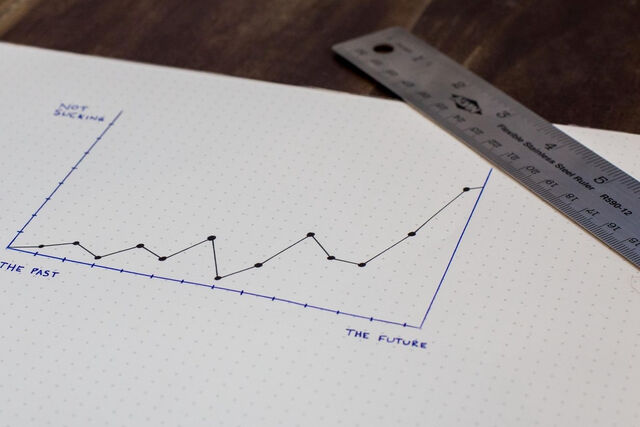
In addition, none of the CEOs believe domestic new vehicle sales will decrease in the next six months while 7.1% believe sales will remain the same.
In the fourth quarter of last year, 75% of the CEOs believed domestic new vehicle sales would increase in the next six months, 19% that sales would remain the same and 6% that sales would decline.
The naamsa CEOs are extremely bullish about sales in the next six months despite naamsa stating that the pace of recovery in the domestic new vehicle market outperformed expectations during the first quarter of 2022, with aggregate new vehicle sales recording an impressive increase of 18% compared to the corresponding quarter of 2021.
naamsa attributed this positive performance to domestic pent-up demand and improved business conditions aligned with the normalising economic environment.
naamsa CEO, Mikel Mabasa, also warns that the industry is expected to encounter a stop-start recovery over the balance of the year owing to prevailing COVID-19-related supply chain disruptions in China, insufficient stock and escalating energy and transport cost increases.
However, the almost universal optimism of the naamsa CEOs about domestic new vehicle sales in the next six months is in stark contrast to their sentiment about general new vehicle business conditions over the same period, which have deteriorated compared to the fourth quarter of 2021.
The latest naamsa CEO Confidence Index survey results for the first quarter of 2022 reveal that 64.3% of CEOs expect general new vehicle business conditions to improve over the next six months compared to the 75% of CEOs who expressed a similar sentiment in the fourth quarter of 2021.
However, the sentiment of these CEOs is still much improved from the third quarter of 2021, when only 50% of CEOs expected general new vehicle business conditions to improve over the following six months.
The latest naamsa quarterly review of business conditions in the vehicle manufacturing industry reveals that 21.4% of CEOs expect general new vehicle business conditions to remain the same in the next six months compared to 19% in the fourth quarter of 2021.
In addition, 14.3% of CEOs now expect a deterioration in general new vehicle business conditions in the next six months compared to only 6% in the fourth quarter of 2021.
The naamsa CEOs Confidence Index is an inhouse leading business confidence indicator of current and future developments in the domestic automotive industry.
The index is built to enhance the quarterly reporting with opinions canvassed anonymously from each of the naamsa CEOs.
Mabasa says the CEOs remain confident that the gradual recovery in the domestic and global automotive industry will continue to support the industry’s key performance indicators over the next six months, albeit at a slower pace.
He says the CEOs expressed this sentiment despite the prevailing COVID-19-related supply chain disruptions and the geopolitical conflict with Russia’s invasion of Ukraine.
“The domestic automotive industry remains resilient as well as geared for opportunities that continuously arise while adapting to the changed environment,” he says.
Chery has named its first bakkie for South Africa Grootman, a name chosen by South Africans. The model is planned to make its local debut in the first quarter of 2027.
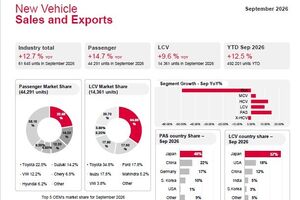
South Africa’s new vehicle market recorded aggregate domestic sales of 61 645 units in September 2026, an increase of 12.7% compared with the 54 706 units sold during September 2025.
SA Auto Week 2026 is scheduled to take place in eThekwini, KwaZulu-Natal, from 13 to 16 October, with the event marking five years of SA Auto Week.
 Advertisement
 Advertisement
I have bad reflexes. I was once run over by a car being pushed by two guys
Woody Allen
South Africa’s new vehicle market recorded aggregate domestic sales of 61 645 units in September 2026, an increase of 12.7% compared with the 54 706 units sold during September 2025.
SA Auto Week 2026 is scheduled to take place in eThekwini, KwaZulu-Natal, from 13 to 16 October, with the event marking five years of SA Auto Week.
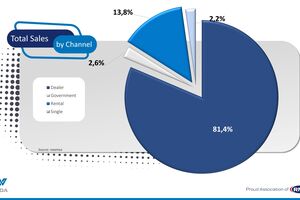
South Africa’s domestic new-vehicle market strengthened in September, recording 61 645 sales, its highest monthly total of 2026. Sales increased by 3 747 vehicles, or 6.5%, from August’s originally reported total and were 12.7% higher than in September 2025.