Steady progress is being made with the integration of two Japanese truck and bus manufacturers, Hino Motors and Mitsubishi Fuso.
Share with friends
The new holding company, in terms of which the Hino and Fuso brands will operate, has been named Archion. It will have its headquarters in Tokyo, and it is planned to start business operations as Archion on 1 April 2026.
The two brands will continue to operate independently as Hino Motors and Mitsubishi Fuso with the aim of the integration of the two companies being “Delivering the future of commercial mobility” with the focus on the customer and developing sustainable transport solutions.
The potential synergies that have been identified include an “Integrated Platform Strategy” which will drive product enhancement, portfolio expansion, scale advantages and investment efficiency. It will also optimise production variations and accelerate technology development.
Archion will combine the two component companies’ strengths in research and development, procurement, production and logistics. The aim is to consolidate production in Japan into three locations by the end of 2028.
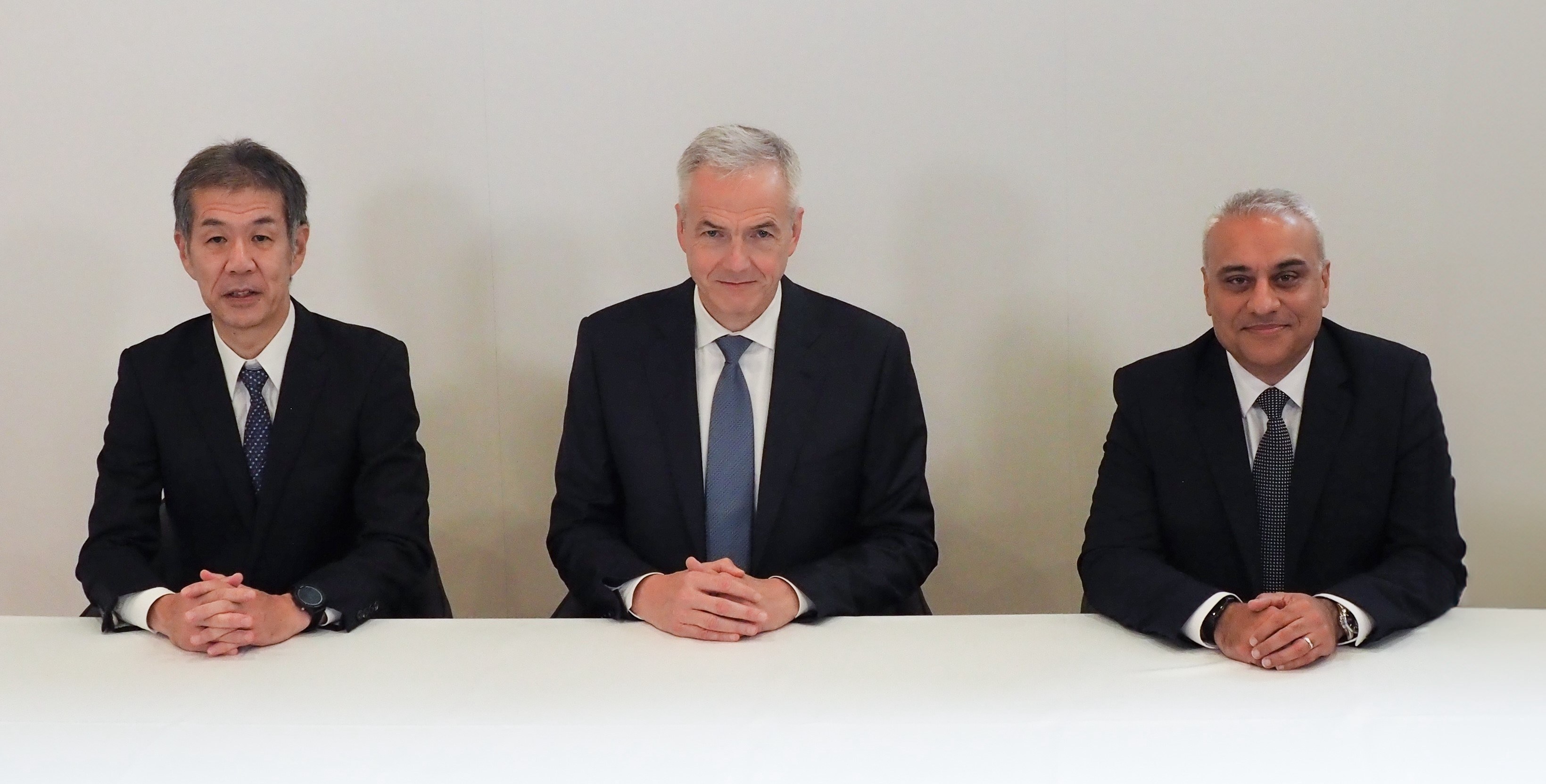
The designated chief executives of Archion, the new holding company of the Hino and Fuso Truck and bus brands, are Satoshi Ogiso (Chief Technology Officer), Karl Deppen (Chief Executive Officer) and Hetal Lalig (Chief Financial Officer).
“We are now taking the next step to bring our shared vision to life: With Archion, we aim to ‘Deliver the future of commercial mobility’ for the benefit of our customers and all stakeholders. With the strong Fuso and Hino brands, we will provide superior products and solutions to meet the needs of all our customers.
“Archion will implement an effective governance model to build trust by promoting transparency, compliance and improving financial performance,” said Karl Deppen, designated Representative Director and Chief Executive Officer of Archion and currently President and CEO of Mitsubishi Fuso Truck & Bus Corporation.
“Our financial ambition for the new Group is rooted in a clear strategy: Unlocking the full potential of this integration by realising synergies and growth opportunities, while continuously working to improve the standalone performance of both companies.
“We aim to elevate financial resilience and performance to peer benchmark level. Capital allocation in line with this strategy will enable sustainable value creation,” commented Hetal Laligi, designated Representative Director and Chief Financial Officer of Archion and currently CFO of Mitsubishi Fuso Truck & Bus Corporation.
“First and foremost, we are committed to putting our customers at the centre of everything we do to drive customer business success. Both Mitsubishi Fuso and Hino have built strong relationships with customers in our respective markets.
“To further strengthen these bonds, it is essential that we continue to refine our products that are the key touchpoints between us, our customers and society,” said Satoshi Ogiso, designated Director and Chief Technology Officer of Archion and currently CEO of Hino Motors.
“We are pleased with the progress already made with the establishment of Archion, the new overall company. Hino will continue to operate independently in South Africa, and our focus will be on retaining and building on our leadership in the Southern African market in terms of customer satisfaction, as demonstrated by our repeated No 1 position in the quarterly Datatrack survey,” commented Anton Falck, Vice President of Hino South Africa.
Buyers with a budget but no shortlist are getting more help, and dealers have a few changes of their own to look forward to. In this article, sponsored by AutoTrader, we look at how AutoTrader is changing how buyers find cars and how dealers get them advertised.
JAC Motors South Africa has launched the T6 2.0L CTi 4x4 single cab bakkie, ten months after the T6 4x2 arrived in January. The T6 4x4 was first sold locally as a double cab in 2017, and it now enters the single cab segment. With this addition, the T-Series offers 4x4 derivatives across the T6, T8 and T9 ranges.
Cheap labour and state subsidies are the usual explanations for Chinese car prices. Research from think tanks and universities suggest the answer is far more complicated.
Cheap labour and state subsidies are the usual explanations for Chinese car prices. Research from think tanks and universities suggest the answer is far more complicated.
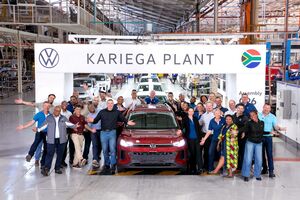
The first Volkswagen Tengo destined for an African customer rolled off the production line at Plant Kariega on 9 November 2026, making history in more ways than one.