Mercedes-Benz has decided to accelerate its electric vehicle (EV) development process by partnering with EV pioneers, Rivian.
Share with friends
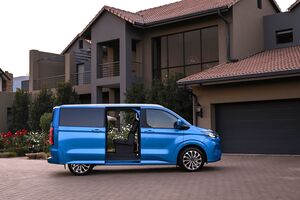
The partnership was announced this month and takes the form of a Memorandum of Understanding for the joint development and possible manufacturing of electric-only vans under both the Rivian and Mercedes-Benz brands.
The two companies say they plan to build a co-manufacturing facility in Europe, with production set to start in a few years’ time. This facility will link up with Merc’s existing plant in Eastern Europe.
Rivian and Mercedes-Benz say that they further intend to invest in the development of electric delivery vehicles (EDVs).
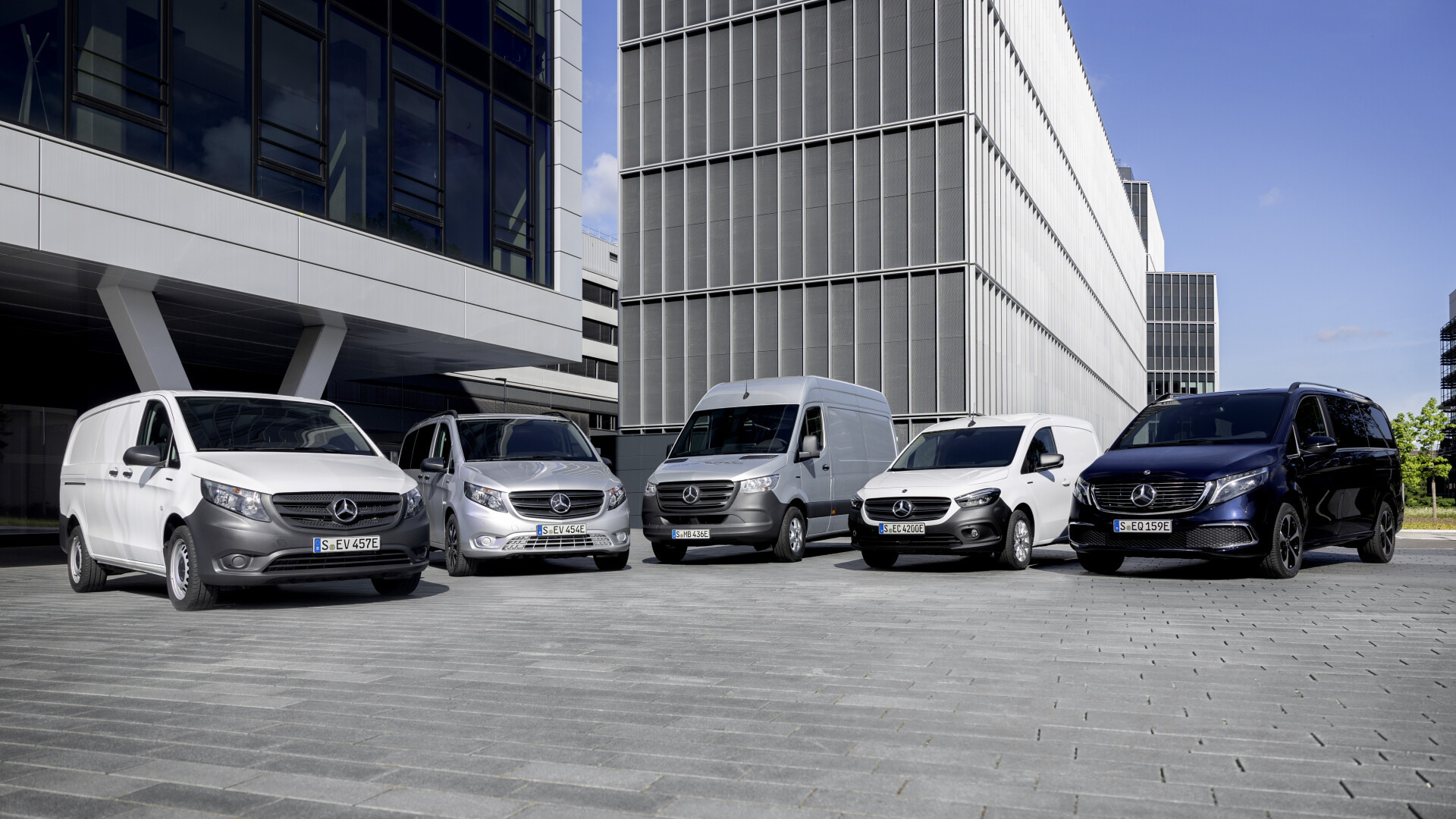
Mercedes-Benz has a comprehensive range of EDVs, with the most recent models launched under the brand's EQ brand.
It is believed that the partnership between the two companies will create a more efficient range of EDVs that will use both the VAN.EA electric EDV platform of Mercedes-Benz and the Rivian Van Light (RLV) platform of Rivian.
While Rivian may be more closely associated with all-electric vehicles, Mercedes-Benz is no stranger to this type of propulsion. Mercedes-Benz built and sold its Vito E-CELL, a panel van with a driving range of 130 km, in 2010 and it currently offers the fully electric EQV, an EDV based on the V class with a range of 340 km.
In contrast, Rivian is best known for its R1T, the flagship pick-up that offers a driving range of between 348 km and 640 km dependent on the battery the customer opts for.
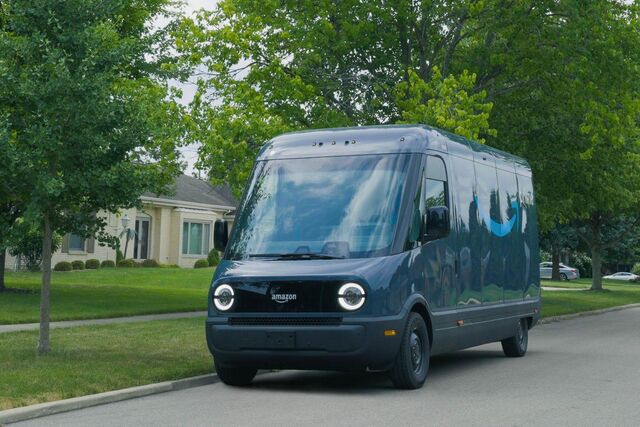
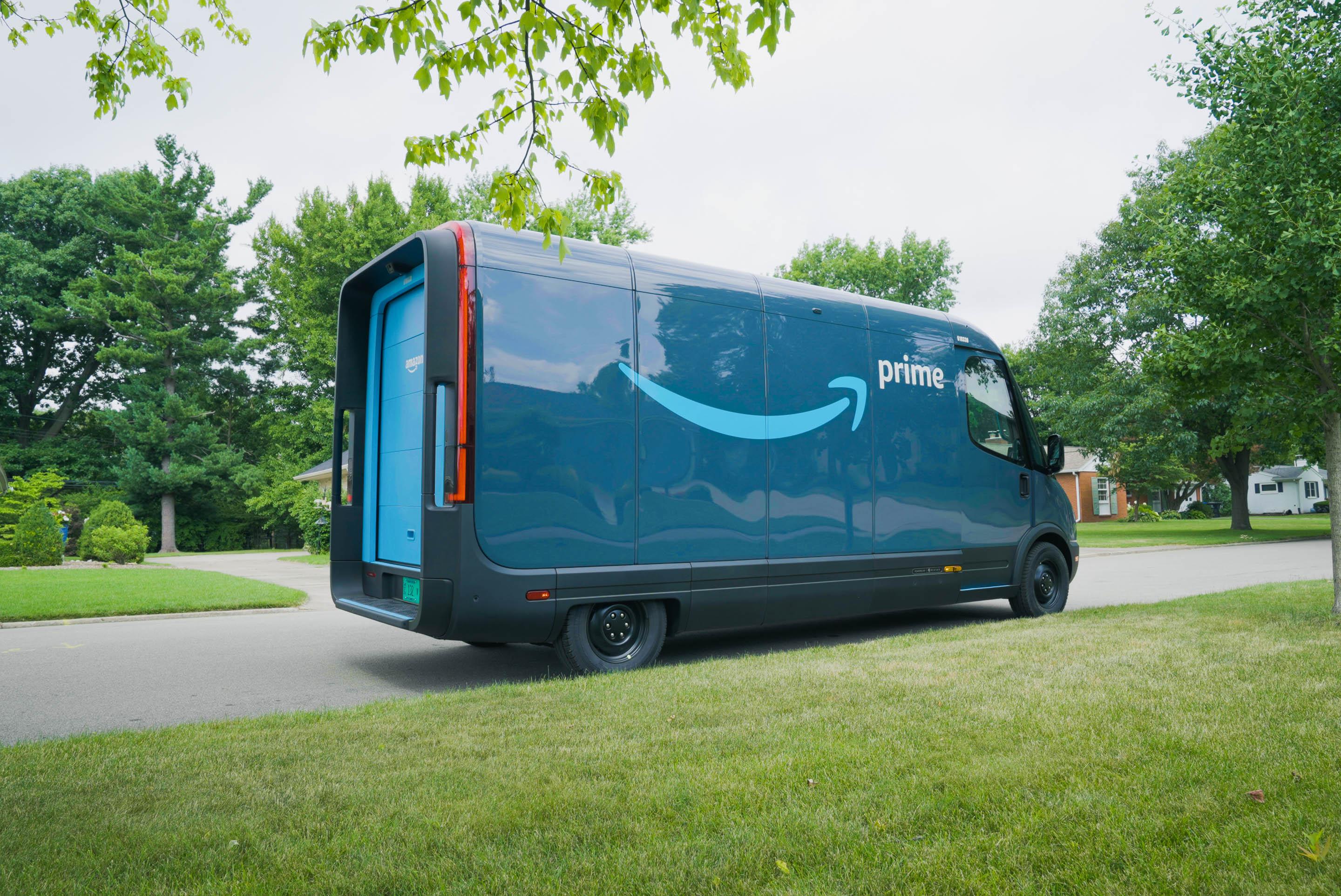
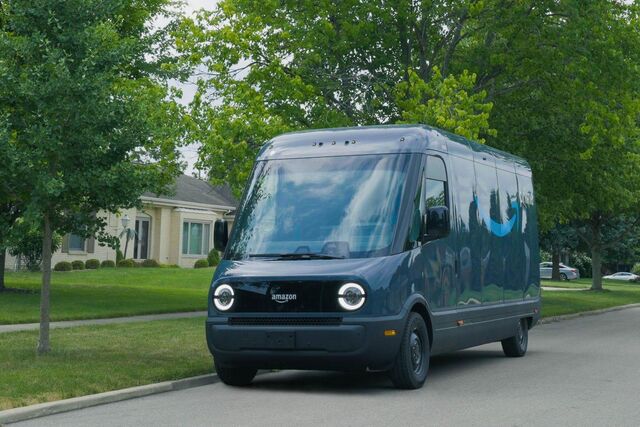
The Rivian Commercial Van recently made the news when it was purchased for emission free deliveries by Amazon. The company says it will be operational in 100 US cities by the end of this year.
Both manufacturers look to also share investments and costs to ultimately pursue operational synergies to rapidly scale electric vehicle production.
The new partnership is expected to also be felt in South Africa, where Mercedes Benz vans and passenger cars have split from their truck and bus vehicle counterparts. The latter now a separate operation based in the well-known Truck Store in Centurion, Gauteng.
Mathias Geisen - Mercedes-Benz Vans
Head of Mercedes-Benz Vans, Mathias Geisen, says:
“As a pioneer in the field of locally emission-free transport, Mercedes-Benz Vans has gained broad experience in producing and launching eVans since 2010. Now we are accelerating the transformation to a fully electric product portfolio. From 2025 onwards, all vans based on our new architecture VAN.EA will be electric-only.
"I am delighted that as part of this transformation, we are now joining forces with Rivian – a highly dynamic and inspiring partner with a strong technology position. We are sharing investments and technology because we also share the same strategic ambition: accelerating the electrification of the van market with sustainable and superior products for our customers.”
RJ Scaringe - Rivian.
In return, Rivian’s CEO, RJ Scaringe, says:
“Rivian was created to encourage the world to transition away from fossil fuel consumption by creating compelling products and services. We’re delighted to be partnering with Mercedes-Benz on this project. Mercedes-Benz is one of the world’s best known and respected automotive companies, and we believe that together we will produce truly remarkable electric vans that will not only benefit our customers, but the planet.”
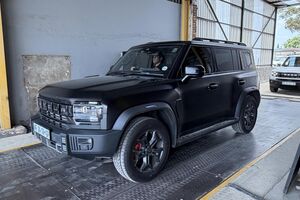
A dispute over the payload ratings of Jetour’s T1 and T2 SUVs has developed further following weighbridge testing in Gauteng, with the Automobile Association (AA) questioning some of the results and Jetour South Africa maintaining that its revised figures have been independently verified.
Chinese vehicle manufacturers continued to record significantly stronger growth than established OEM brands in South Africa during the second quarter of 2026, according to TransUnion's Q2 2026 Mobility Report.
Cars are the ultimate symbol of freedom, independence and individualism. They offer the freedom to ‘go anywhere,’ whenever it suits and with whom one chooses.
A dispute over the payload ratings of Jetour’s T1 and T2 SUVs has developed further following weighbridge testing in Gauteng, with the Automobile Association (AA) questioning some of the results and Jetour South Africa maintaining that its revised figures have been independently verified.
Chinese vehicle manufacturers continued to record significantly stronger growth than established OEM brands in South Africa during the second quarter of 2026, according to TransUnion's Q2 2026 Mobility Report.
South African consumers face growing pressure on household finances after the South African Reserve Bank raises interest rates, adding to a range of rising costs that are already influencing vehicle purchasing decisions.