Isuzu reduces carbon emissions while expanding production
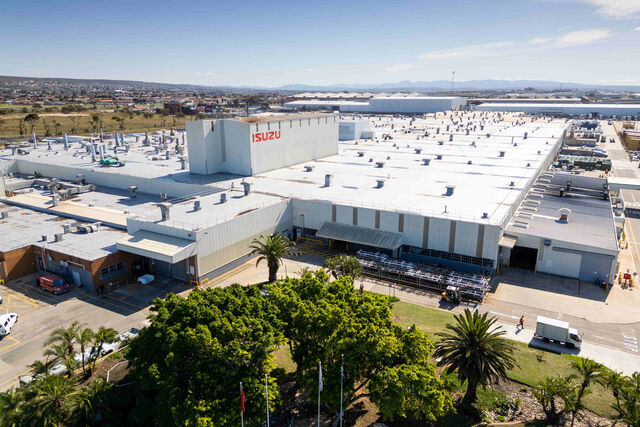
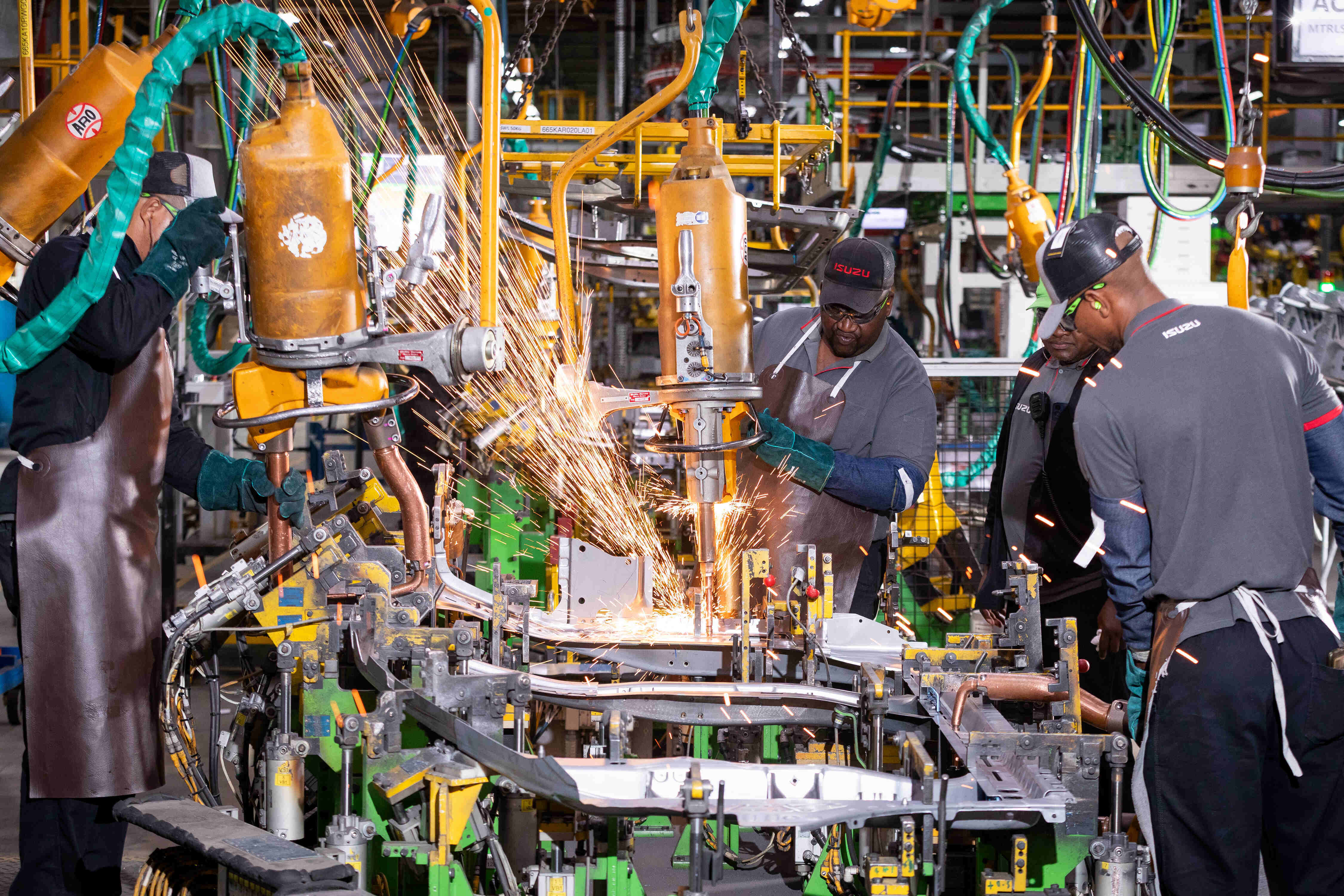
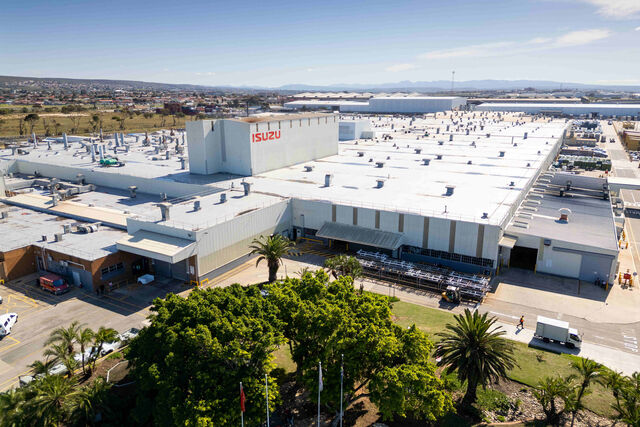
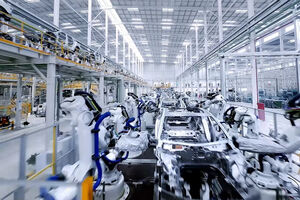
Isuzu Motors South Africa (IMSAf) has achieved a 38% reduction in Scope 1 and Scope 2 CO₂ emissions compared with its 2013 baseline while increasing vehicle production by 21% during the 2025/26 financial year at its Gqeberha manufacturing facility.
Share with friends
The achievement highlights the manufacturer's ability to balance production growth with environmental responsibility. Emissions intensity also improved significantly, declining from 0.89t CO₂e per vehicle produced in 2024 to 0.76t CO₂e in 2025, representing a 15% year-on-year improvement.
These results form part of IMSAf's commitment to the Isuzu Environmental Vision 2050 and support its goal of reducing Scope 1 and Scope 2 emissions by 50% against the 2013 baseline by 2030.
According to Celestin Ndhlovu, Executive Vice President: Corporate Services at IMSAf, the company recognises that increased production must be matched by greater operational efficiency and a continued focus on reducing environmental impact. While the 38% reduction represents meaningful progress, further gains will depend on continued investment in energy efficiency, cleaner fuels and renewable energy solutions.
To support its sustainability objectives, the company has implemented a range of operational improvements. These include replacing certain higher-emission liquid fuels with cleaner-burning Liquefied Petroleum Gas (LPG) in selected manufacturing operations, helping reduce Scope 1 emissions.
IMSAf has also introduced a number of energy-efficiency initiatives, resulting in a 7% improvement in Scope 2 emissions performance. These measures include process and chemical optimisation, equipment upgrades, enhanced energy monitoring and asset-sustainment programmes designed to improve reliability and reduce energy consumption.
With electricity accounting for 69% of operational emissions, the company continues to prioritise cleaner energy sources. An agreement with an Independent Power Producer will supply wind and solar energy, reducing dependence on South Africa's carbon-intensive electricity grid.
Further renewable-energy initiatives under consideration include rooftop and ground-mounted solar installations supported by battery storage as IMSAf works towards its long-term decarbonisation targets.
GWM South Africa has broadened its popular Jolion range with the introduction of the all-new Haval Jolion Max. Designed with modern families in mind, the newcomer combines increased interior space, new technology and a wider choice of powertrains, including petrol, hybrid and plug-in hybrid options.
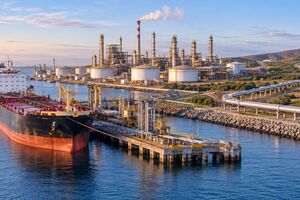
Diversifying oil supplies, investing in pipelines and rail infrastructure, improving port operations and expanding inland storage facilities are among the measures needed to reduce South Africa's vulnerability to international fuel supply disruptions.
Cars are the ultimate symbol of freedom, independence and individualism. They offer the freedom to ‘go anywhere,’ whenever it suits and with whom one chooses.
Diversifying oil supplies, investing in pipelines and rail infrastructure, improving port operations and expanding inland storage facilities are among the measures needed to reduce South Africa's vulnerability to international fuel supply disruptions.
Cheap labour and state subsidies are the usual explanations for Chinese car prices. Research from think tanks and universities suggest the answer is far more complicated.