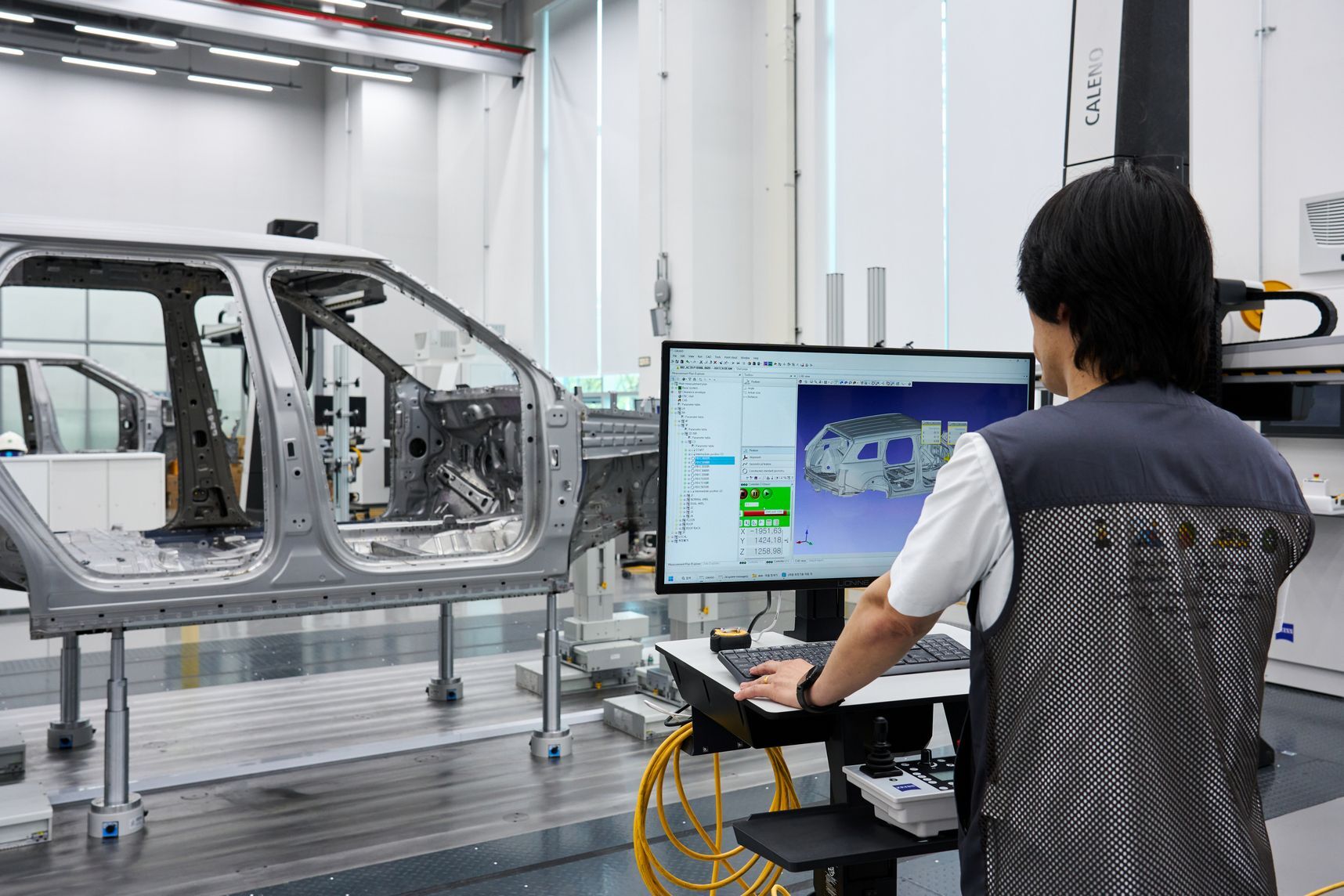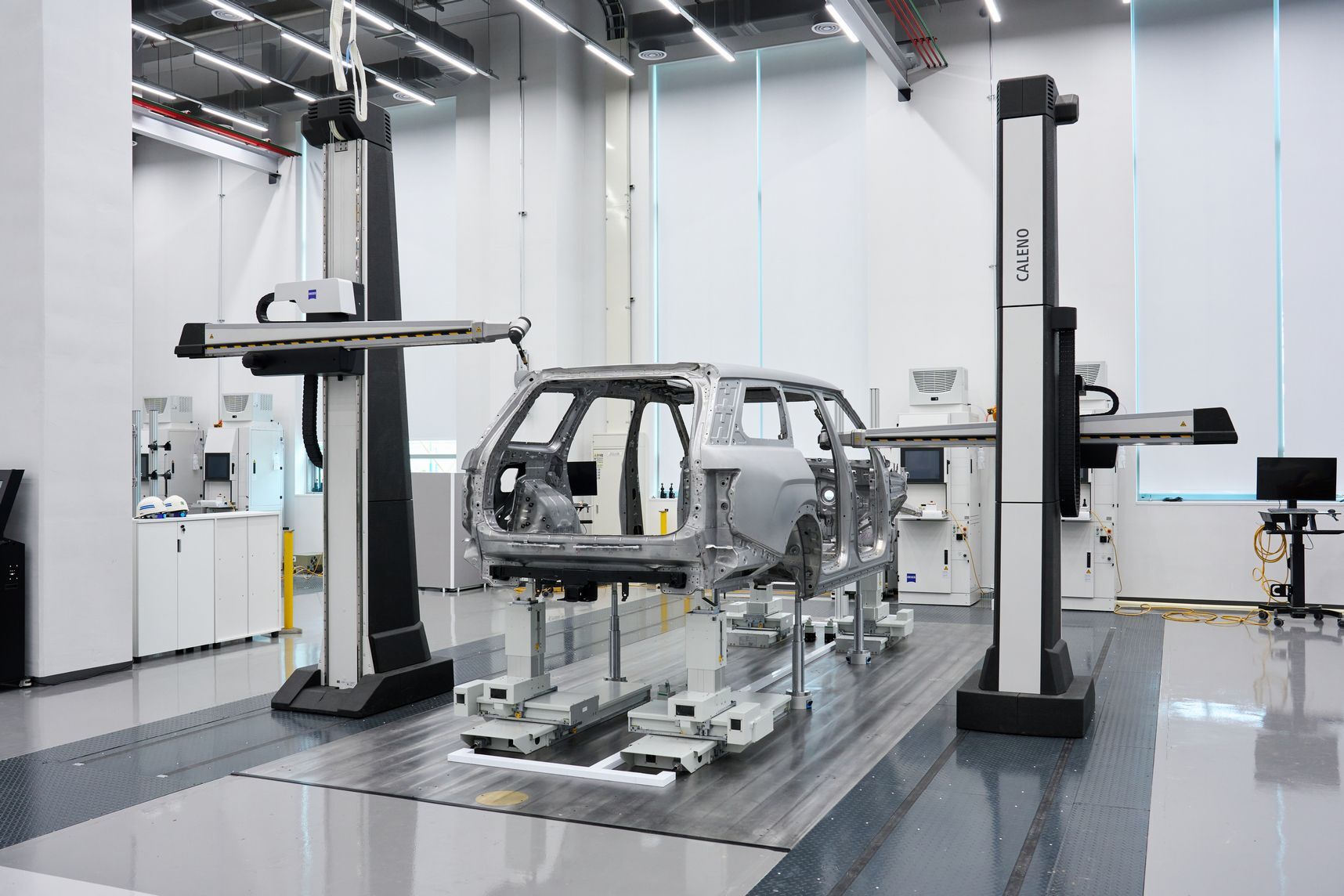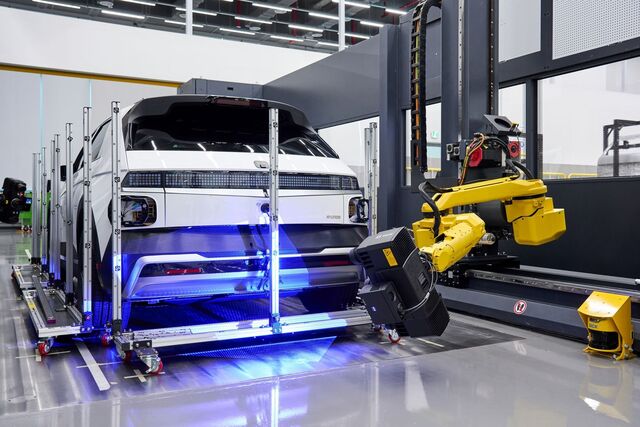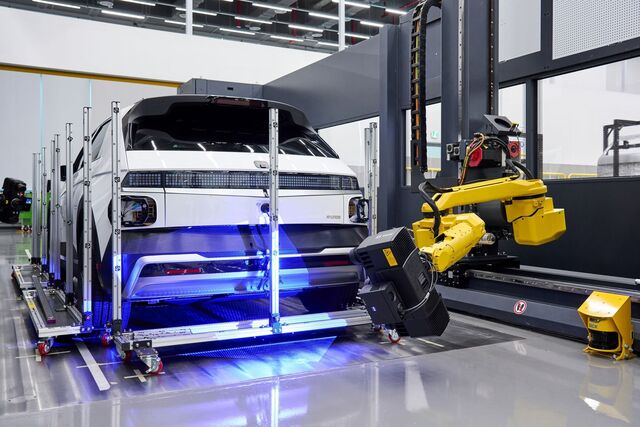
The work takes place at the Digital Measuring Center, or DMC, at the Namyang Research and Development Center in South Korea. The centre plays an important role in checking whether the many parts of a vehicle fit together exactly as they should.
For most drivers, quality is not only about power, design or technology. It is also about the small things they experience every day. A door should close with a solid, smooth action. The cabin should stay quiet at motorway speeds. Rainwater should remain outside the vehicle. These may seem like simple expectations, but they depend on extremely accurate manufacturing and assembly.
Even a gap that is difficult to see can lead to wind noise, water leaks or a part that does not operate properly. Hyundai and Kia say this is why they focus so closely on dimensional precision, which means checking the exact size, position and alignment of vehicle parts.
At the DMC, engineers measure up to 1 000 points on a single vehicle body. These checks are judged against about 600 quality criteria. The process helps the companies confirm that the body structure, exterior panels and moving parts meet the required standards before production begins.
The centre looks at four key areas: exterior quality, noise and vibration, water tightness, and how easily and correctly parts can be assembled. By using data rather than relying only on visual inspection, engineers can identify problems that may otherwise be missed.
A major part of the process involves Coordinate Measuring Machines. These use precision sensors to scan the body of a vehicle in three dimensions. Engineers can then compare the results with the intended design and see where even the smallest variation has occurred.
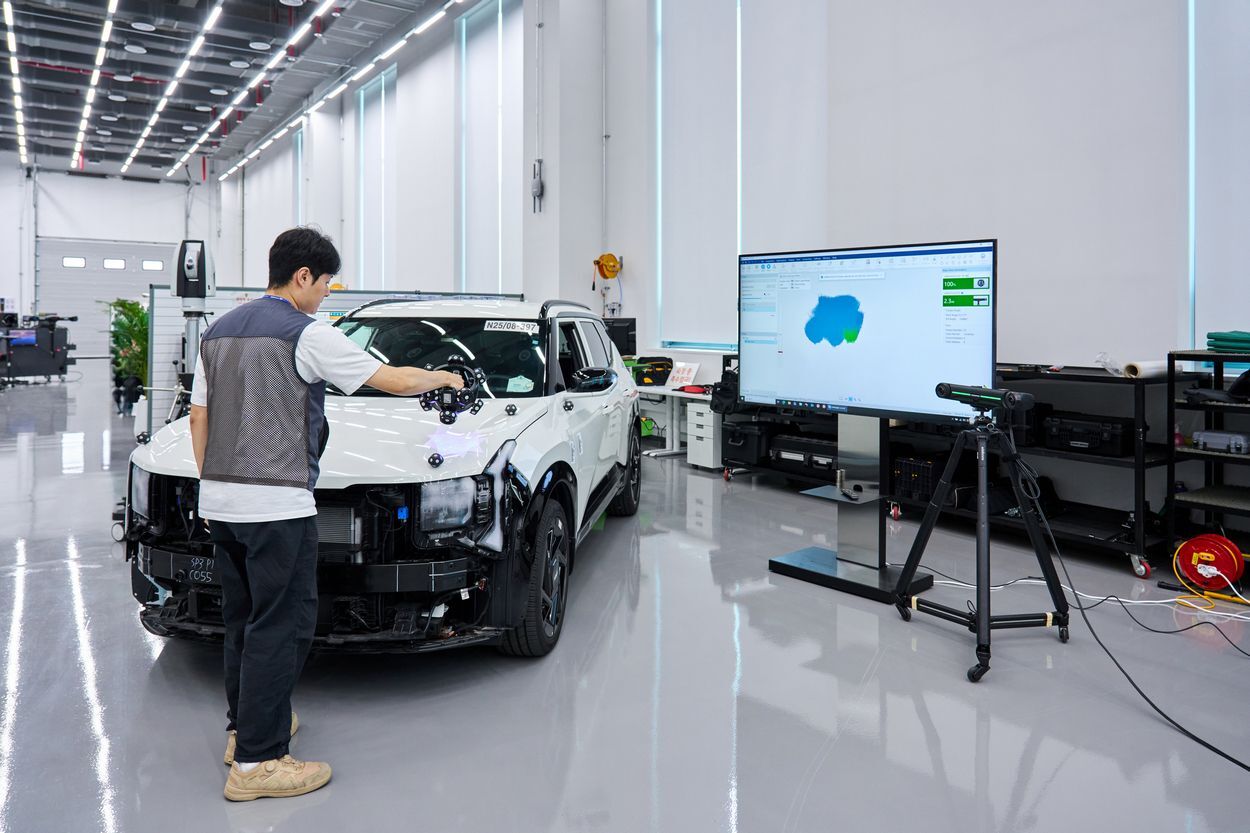
Doors, liftgates and other moving parts receive special attention because they must both fit well and work smoothly. Robotic arms fitted with 3D scanners measure these components quickly and accurately. Some parts are also checked on special fixtures that copy the shape of the vehicle body, allowing engineers to spot issues before the parts are installed.
Once the vehicle is fully assembled, the DMC carries out further scans of the complete car. This helps engineers understand how small variations from different parts of the process may have combined. If there is a problem with the finished vehicle, the stored measurement data can help trace it back to the source.
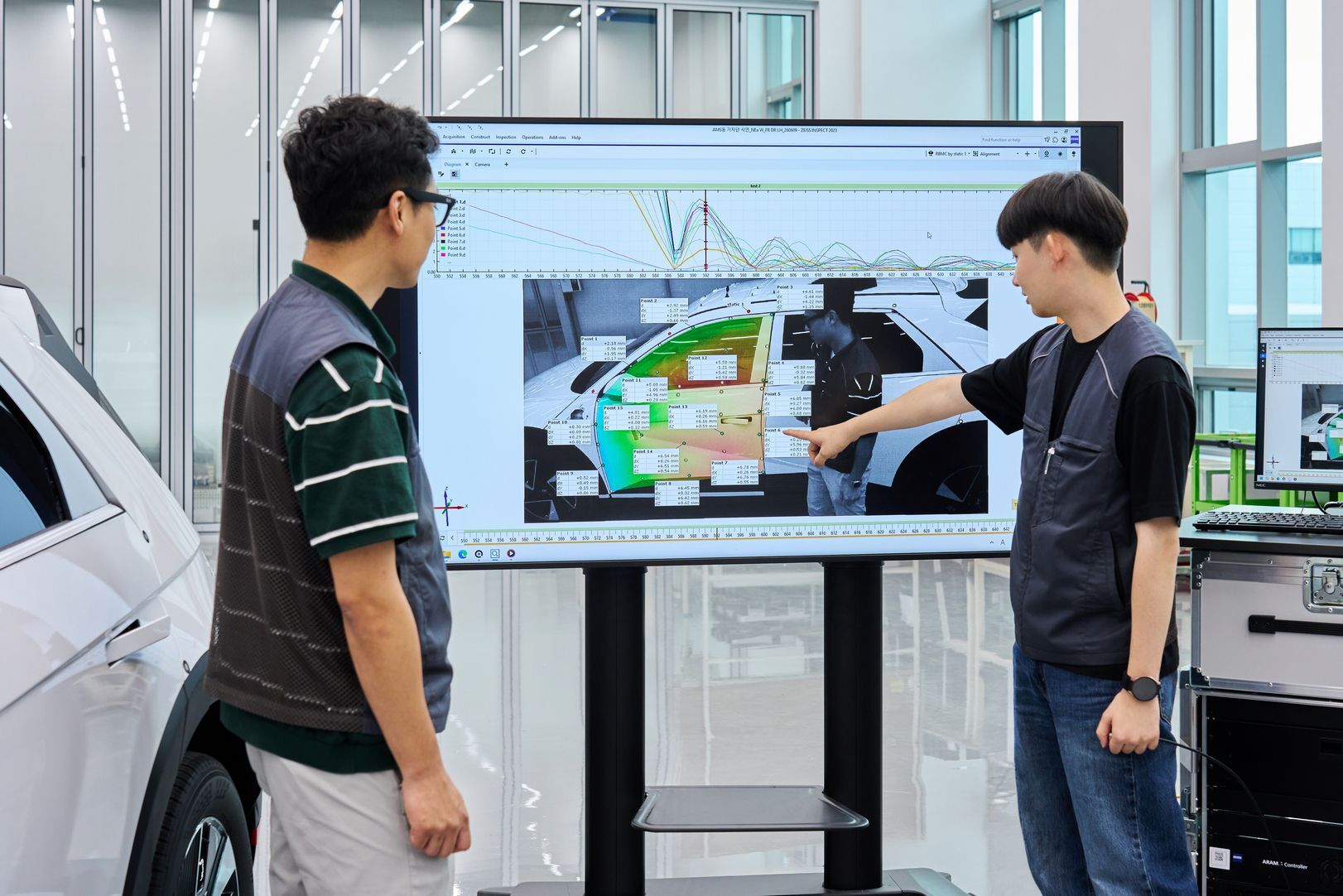
The facility also studies movement. In a dynamic motion laboratory, high-speed cameras and sensors record how doors and liftgates behave when opened and closed. The system captures data at very high speed, revealing tiny movements or changes in shape that would not be visible to people.
All this information is brought together in a central data system. Hyundai and Kia use it to improve assembly methods, reduce variation and make better engineering decisions. The companies also plan to use this growing bank of data to support artificial intelligence tools in future vehicle development.
For customers, the benefit should be simple: vehicles that feel better built, quieter, more reliable and more satisfying to use. By paying close attention to details most owners will never see, Hyundai and Kia aim to improve the quality they experience every day.