Hyundai and Kia develop light-based cabin hygiene system
Hyundai Motor and Kia are working on a new way to help keep vehicle interiors cleaner, using advanced ultraviolet light technology designed for future mobility services.
Share with friends
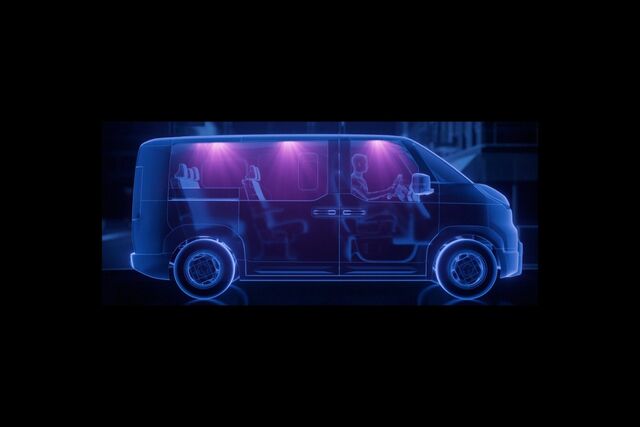
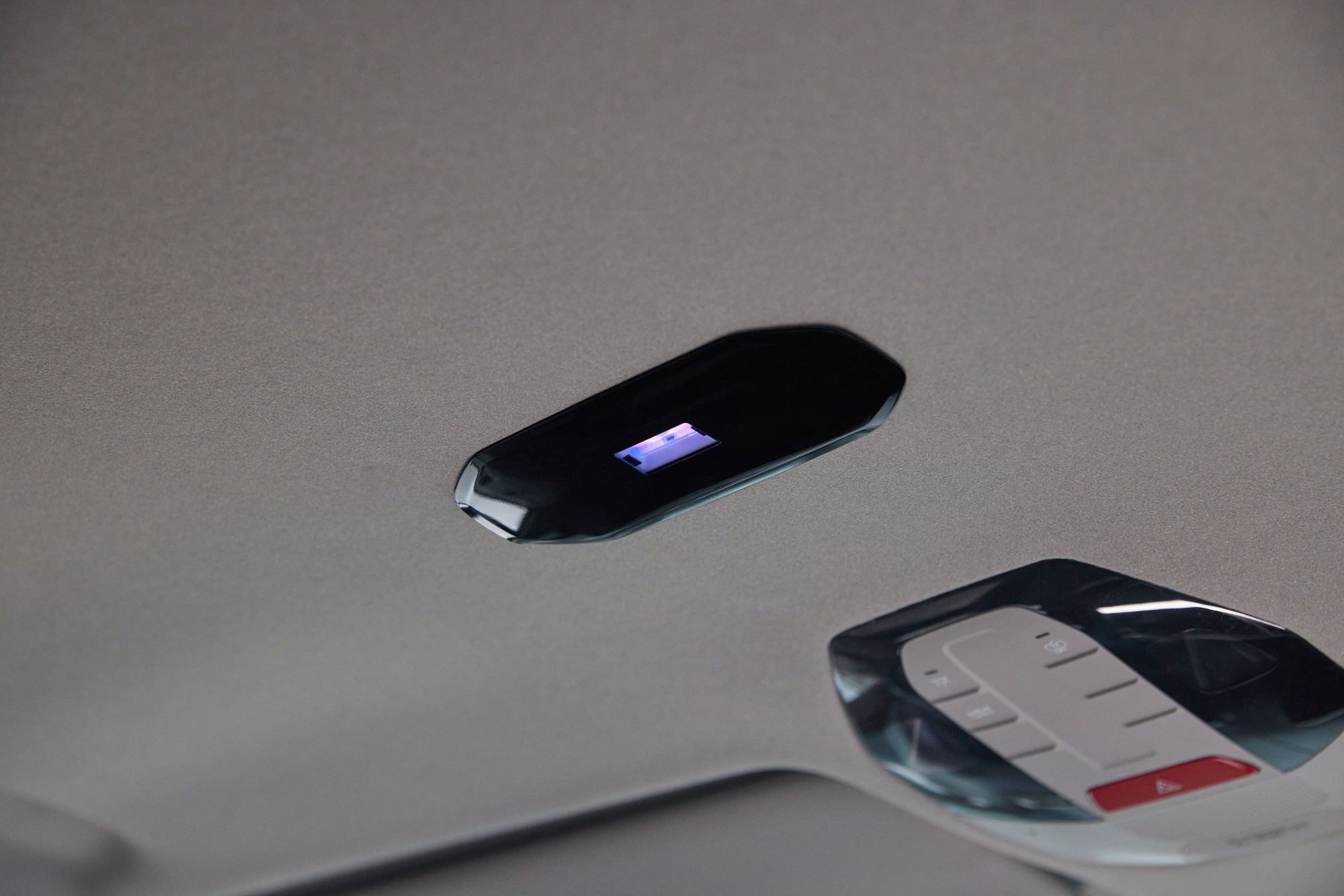
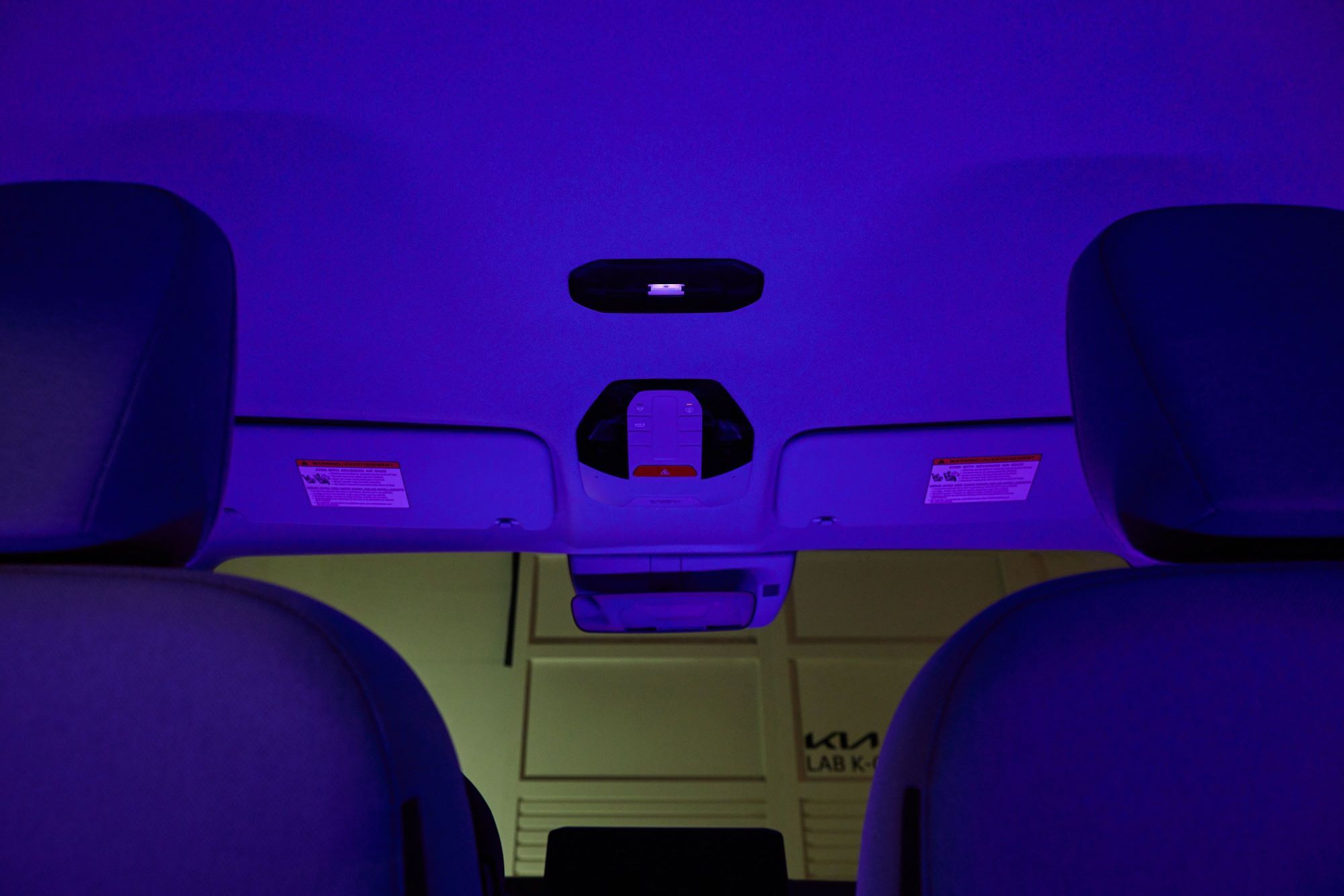
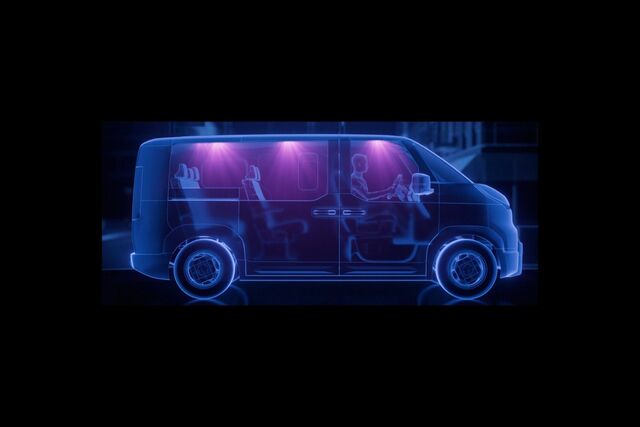
The system, called Plasma Care UVC, uses Far-UVC light to target harmful microorganisms in the air and on cabin surfaces.
According to the car makers, the technology is intended to reduce bacteria, airborne viruses and odour-causing microbes without the need for sprays, wipes or manual cleaning after every journey. This could be especially useful in vehicles that are shared by many people during the day, such as shuttle buses, delivery vans and autonomous transport pods.
The system is different from many existing ultraviolet disinfection products. Standard UVC light can be effective against microorganisms, but it is usually used only when people are not present because of safety concerns. Plasma Care UVC uses Far-UVC light in the 200 to 230 nanometre range, which Hyundai and Kia say has very low penetration into the outer layer of human skin while still affecting viruses and bacteria.
To create this specific light, the companies developed a compact plasma lamp rather than relying on conventional LED technology. The system also uses optical filtering to help ensure the correct wavelength is produced. That is important because a vehicle cabin is a small, enclosed space where passengers, materials and electronics are all close together.
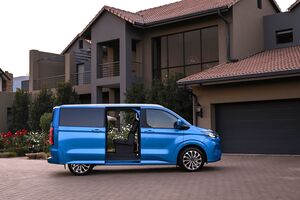
Testing has produced promising results. In a chamber designed to recreate the size and conditions of a vehicle cabin, the Korea Testing Laboratory recorded a 96.8% drop in airborne viruses after 30 minutes. Other tests with Seoul National University’s Agriculture and Life Sciences Venture Centre showed strong antibacterial performance, while an evaluation with the Korea Automotive Technology Institute using a Kia PV5 found a 99.9% reduction of E. coli after 40 minutes of exposure.
Hyundai and Kia believe the technology could help improve confidence in shared mobility, where cleanliness is becoming a bigger part of the passenger experience. Cleaner cabins may also benefit commercial operators, particularly those running high-use fleets.
The system is still under development and is not yet offered in production models. Further safety checks, technical refinement and regulatory approval would be needed before it reaches customers. Even so, Plasma Care UVC shows how future cars could become more active in looking after the spaces people travel in.
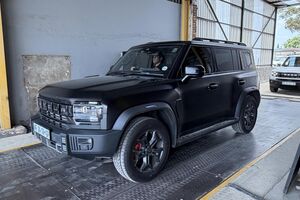
A dispute over the payload ratings of Jetour’s T1 and T2 SUVs has developed further following weighbridge testing in Gauteng, with the Automobile Association (AA) questioning some of the results and Jetour South Africa maintaining that its revised figures have been independently verified.
Chinese vehicle manufacturers continued to record significantly stronger growth than established OEM brands in South Africa during the second quarter of 2026, according to TransUnion's Q2 2026 Mobility Report.
Cars are the ultimate symbol of freedom, independence and individualism. They offer the freedom to ‘go anywhere,’ whenever it suits and with whom one chooses.
A dispute over the payload ratings of Jetour’s T1 and T2 SUVs has developed further following weighbridge testing in Gauteng, with the Automobile Association (AA) questioning some of the results and Jetour South Africa maintaining that its revised figures have been independently verified.
Chinese vehicle manufacturers continued to record significantly stronger growth than established OEM brands in South Africa during the second quarter of 2026, according to TransUnion's Q2 2026 Mobility Report.
South African consumers face growing pressure on household finances after the South African Reserve Bank raises interest rates, adding to a range of rising costs that are already influencing vehicle purchasing decisions.