First Foton pre-production CKD bakkie rolls off the line in SA
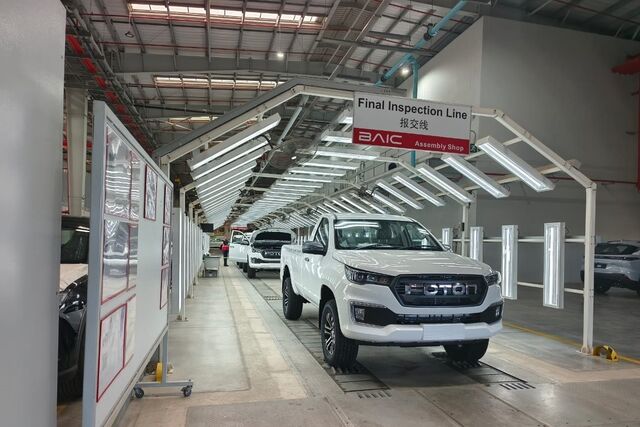
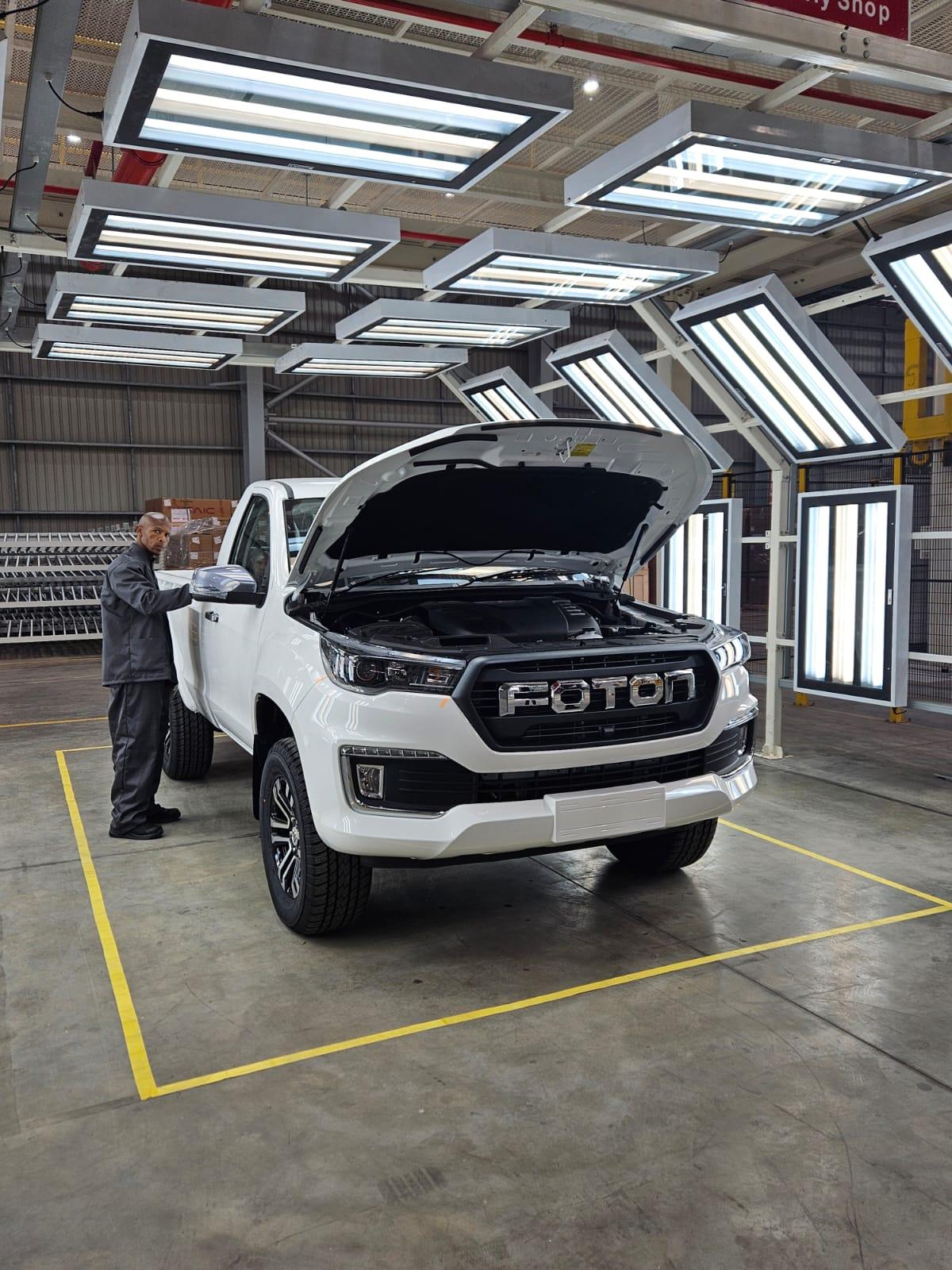
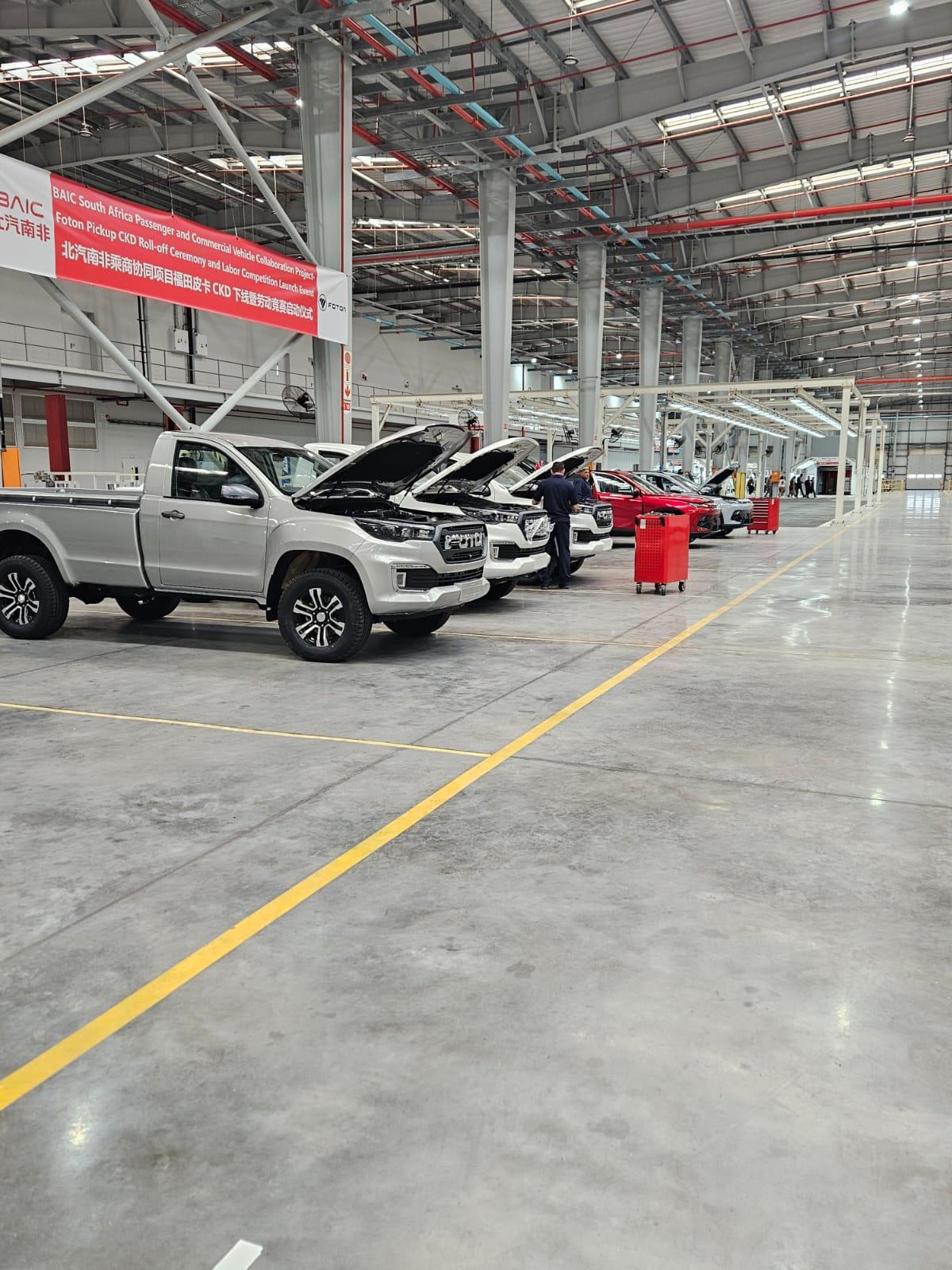
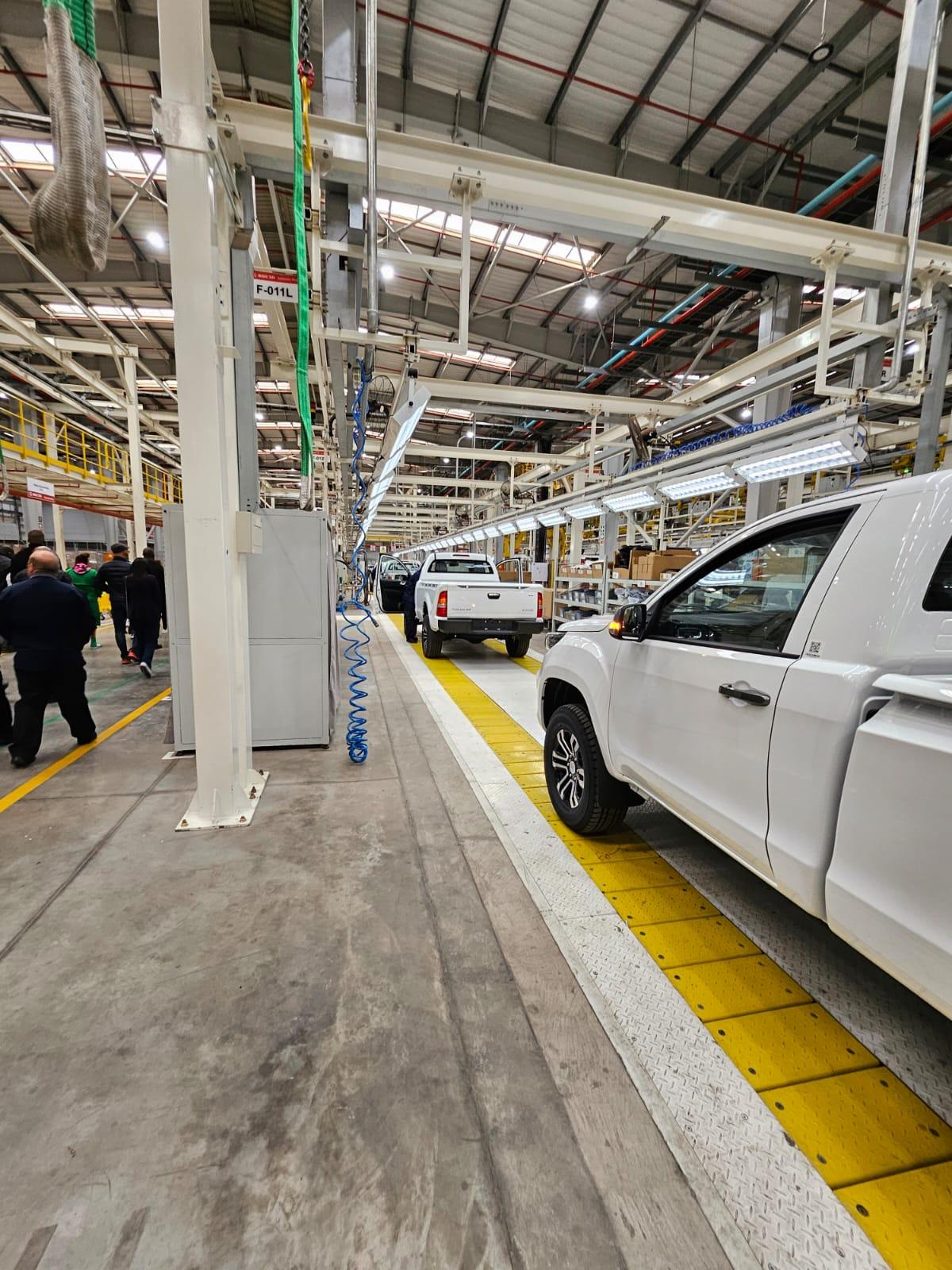
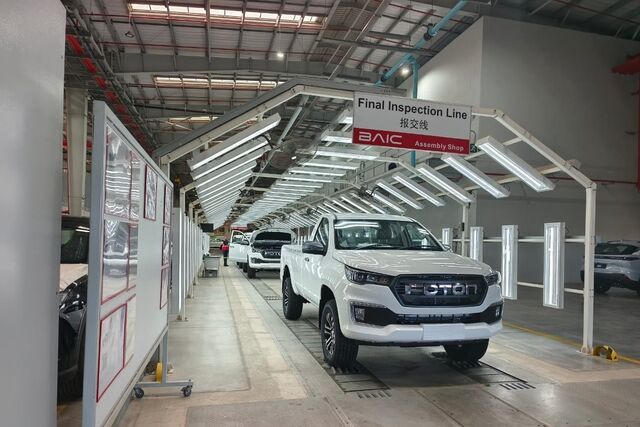
September 30, 2025 will be remembered as a landmark day for both the South African automotive sector and for Foton globally, says the Chinese manufacturer after its first pre-production Completely Knocked Down (CKD) Foton bakkie rolled off the assembly line at its local plant.
Share with friends
In a partnership with fellow Chinese manufacturer, BAIC, Foton Tunland bakkies, alongside BAIC models, will be produced as a joint venture in BAIC’s 540 000m² facility, in a joint venture between BAIC and Foton in the Coega Special Economic Zone (SEZ) near Gqeberha in the Eastern Cape.
This milestone is far more than the roll-out of a pre-production model. It represents a new era of industrial cooperation, investment and growth, as Foton continues to expand its global footprint while strengthening its presence in Africa, says the company.
The pre-production CKD launch marks a key achievement under Foton’s “Lighthouse Plan” in Africa, a strategy designed to establish the continent as a pivotal growth hub within the brand’s global expansion roadmap. By choosing South Africa as the base for CKD operations, Foton is making a long-term commitment to localisation, job creation and technology transfer.
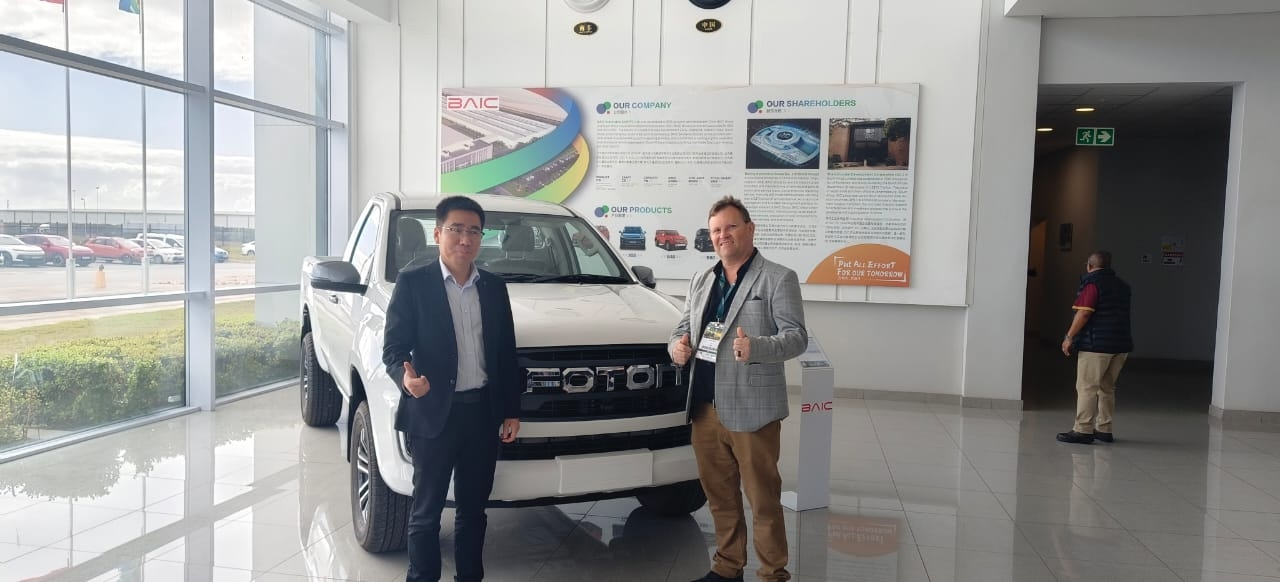
Seen here are Ronnie Qin for Foton Global and Marius Smal, CEO of Foton SA.
This step forward not only enhances production capabilities in Africa but also builds a foundation for sustainable growth, empowering local suppliers, upskilling workers and strengthening South Africa’s position in the global automotive value chain, Foton says in a statement.
The launch is also a testament to the growing industrial partnership between China and South Africa. Through localised assembly, Foton is contributing to bilateral economic ties, advancing technology sharing and fostering stronger trade collaboration.
“Rolling the first pre-production CKD Foton pickup off the South African line represents more than just a milestone. It is a symbol of investment, trust, partnership and progress,” says Foton South Africa, CEO, Marius Smal. “It shows our belief in Africa’s potential and our confidence in South Africa as a hub for innovation and growth.”
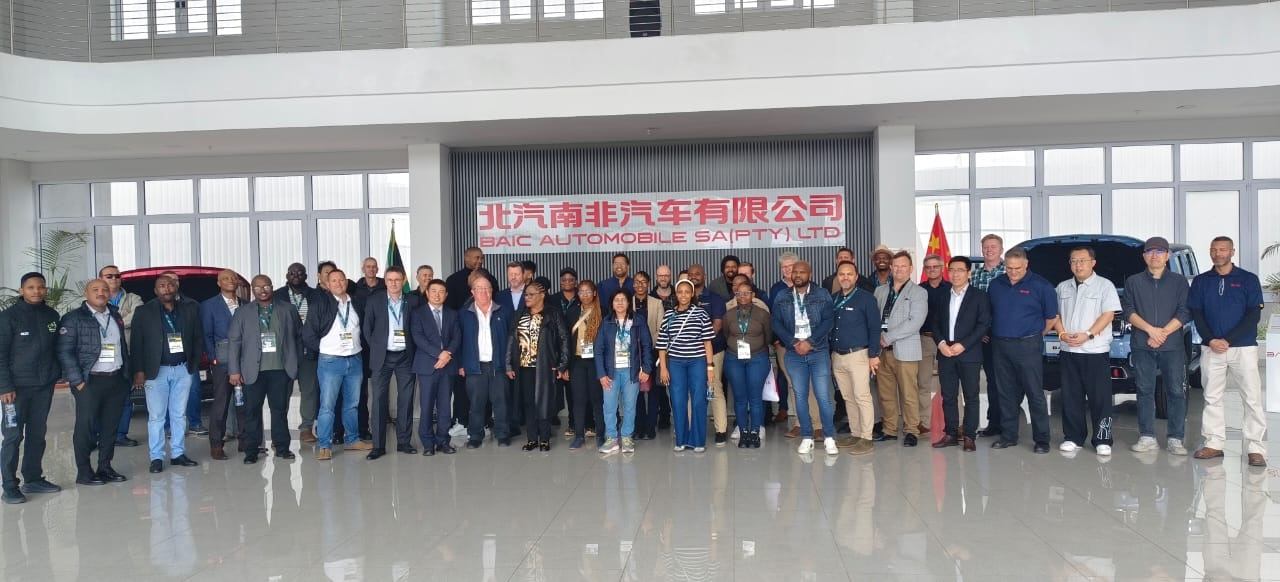
Guests at the Naamsa Autoweek 2025, which was held from 1 to 3 October in the region, also visited the plant.
For customers across Africa, local CKD operations translate into the promise of faster availability, competitive pricing and increased confidence in after-sales support. With parts availability, assembly and servicing rooted locally, Foton aims to meet customer needs with even greater efficiency – delivering on its promise of being “Built for Business”, it is claimed.
The introduction of pre-production CKD also paves the way for full-scale manufacturing, enabling Foton to adapt its vehicles more closely to African driving conditions, customer preferences and market demands.
The first pre-production CKD pickup is just the beginning. Foton has signalled plans to expand its model line-up under local assembly in South Africa, further investing in the continent and reinforcing its role as a trusted partner in Africa’s economic development.
Buyers with a budget but no shortlist are getting more help, and dealers have a few changes of their own to look forward to. In this article, sponsored by AutoTrader, we look at how AutoTrader is changing how buyers find cars and how dealers get them advertised.
JAC Motors South Africa has launched the T6 2.0L CTi 4x4 single cab bakkie, ten months after the T6 4x2 arrived in January. The T6 4x4 was first sold locally as a double cab in 2017, and it now enters the single cab segment. With this addition, the T-Series offers 4x4 derivatives across the T6, T8 and T9 ranges.
Cheap labour and state subsidies are the usual explanations for Chinese car prices. Research from think tanks and universities suggest the answer is far more complicated.
Cars are the ultimate symbol of freedom, independence and individualism. They offer the freedom to ‘go anywhere,’ whenever it suits and with whom one chooses.
Cheap labour and state subsidies are the usual explanations for Chinese car prices. Research from think tanks and universities suggest the answer is far more complicated.
The first Volkswagen Tengo destined for an African customer rolled off the production line at Plant Kariega on 9 November 2026, making history in more ways than one.