Absa puts data, demographics and purchase decisions under the spotlight at DealerCon
Demand, opportunity and timing – these are some of the key factors driving South African consumers’ vehicle purchasing decisions.
Share with friends
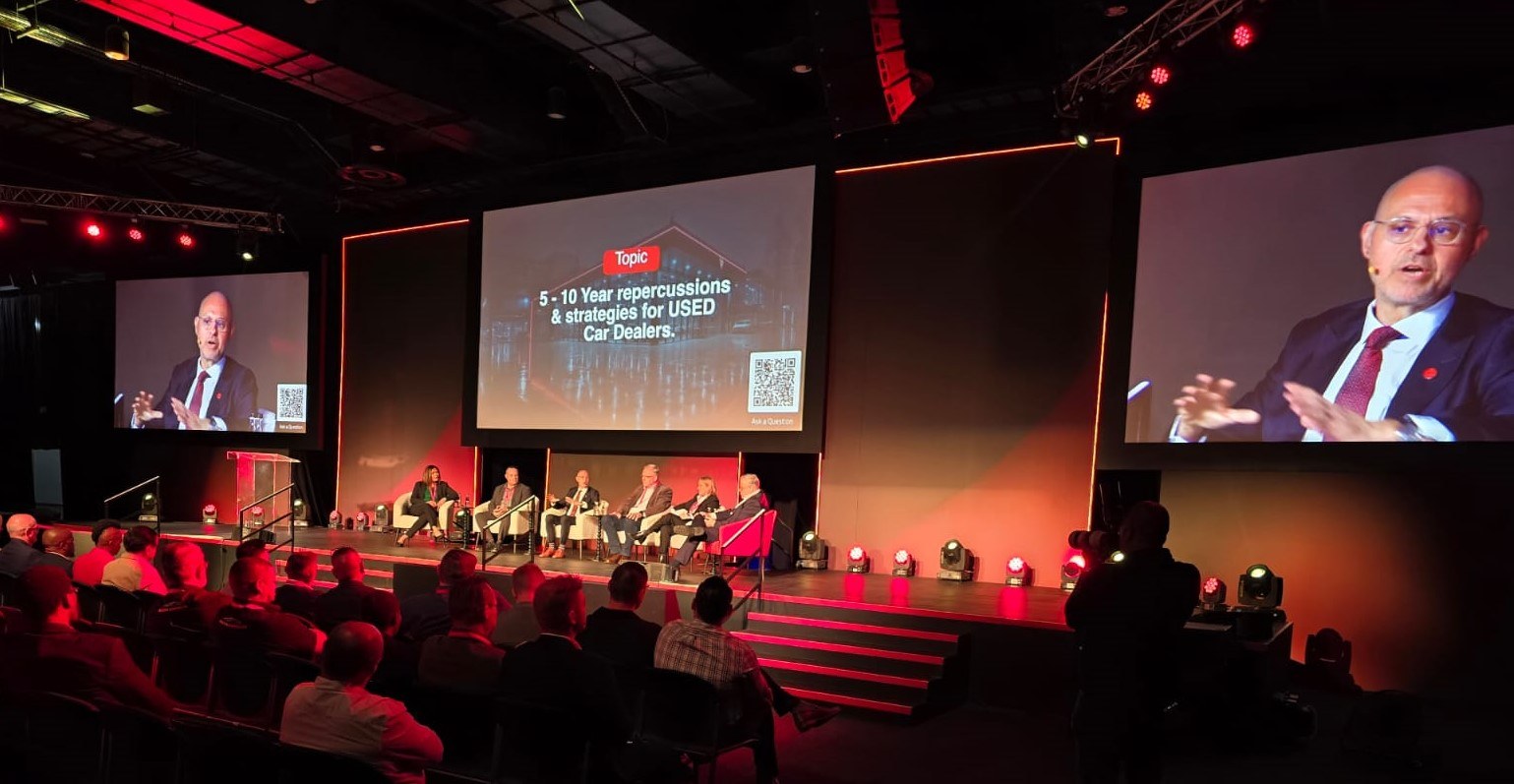
Speaking at the inaugural DealerCon, South Africa’s premier annual gathering for the automotive retail industry, Henry Botha, Executive: Strategy & Product, Absa Vehicle and Asset Finance says: “The vehicle finance landscape is evolving, driven by data, demographics and decisions. Women, mid-life buyers, and value-seekers are reshaping the market – and timing is everything.”
DealerCon, hosted by Cars.co.za, and sponsored by Absa, brought together leaders from motor dealerships, OEMs, financiers, insurers and policymakers at the Sandton Convention Centre to discuss the future of automotive retail and the challenges of the evolving South African market.
Henry unpacked the journey through the decisions, preferences and patterns that have defined how South Africans have purchased cars over the past decade.
“We’ve seen remarkable growth in vehicle finance activity. Applications have increased by 65%, averaging 5% growth a year. Income levels have risen by 35%, and the value of vehicles being financed has grown by 54%. The catch, however, is that affordability has deteriorated,” he adds.
Charl Potgieter (Managing Executive, Absa Vehicle and Asset Finance).
According to Henry, ten years ago, the average monthly instalment represented 14.3% of a customer’s income.
“Today, it’s 16.1%. That’s a significant shift. What does this tell us? It tells us that while demand is growing, consumers are stretching further. Vehicles are becoming more expensive and incomes aren’t keeping pace. This not only signals economic strain, but also of changing priorities.”
While used vehicles continue to dominate the market – offering value, flexibility and accessibility – new vehicles are gaining ground, especially among younger, aspirational buyers.
“When we look at manufacturer origin, we see fascinating trends: German brands remain the gold standard, especially among men and younger buyers. Chinese and Korean brands are rising fast, particularly among women and buyers aged 35 to 45. Women are open to new brands, technologies and value propositions,” he explains.
On timing, Absa studied 70 000 customers over the past year to understand how long it took to decide to purchase.
“We found that the most active period is the 30 days following the lead. There is as much activity in that single month as there was in the 6 months before and the 6 months after. Interestingly, women are more likely to apply within 30 days at 40% compared to 33% of men,” he explained.
“This is critical. It means the window of opportunity is narrow and powerful. If we want to convert interest into action, we must act fast… however, this is not just about selling more cars. It’s about understanding customers and their needs, their timing, their mindset.”
Charl Potgieter, Managing Executive, Absa Vehicle and Asset Finance noted the generational lens in purchasing trends, with Gen Z buyers showing behaviour that’s both familiar and subtly different.
“Like previous generations, they’re constrained by income and tend to buy vehicles that match their budget and lifestyle needs. However, they are more digitally engaged, doing extensive online research before making decisions.
“They remain brand conscious and tend to stick with established brands, showing hesitancy toward newer entrants,” he explained.
The adoption of new brands was more common among older, higher income segments who are willing to take more risks. “Gen Z also values tech features and sustainability, but affordability remains their primary driver.”
The event drew close to 1 000 registrants and is billed to be a multi-year-thought-leadership platform through which sector stakeholders can glean practical insights, particularly for dealers.
Managing Director of Cars.co.za, Amasi Mwela, thanked Absa for embracing its role as the “bank of the dealer”, adding that: “There’s been such a shift in the industry over the last 10 years… all of us have to change, adapt and move to the next frontier.”
Buyers with a budget but no shortlist are getting more help, and dealers have a few changes of their own to look forward to. In this article, sponsored by AutoTrader, we look at how AutoTrader is changing how buyers find cars and how dealers get them advertised.
JAC Motors South Africa has launched the T6 2.0L CTi 4x4 single cab bakkie, ten months after the T6 4x2 arrived in January. The T6 4x4 was first sold locally as a double cab in 2017, and it now enters the single cab segment. With this addition, the T-Series offers 4x4 derivatives across the T6, T8 and T9 ranges.
Cheap labour and state subsidies are the usual explanations for Chinese car prices. Research from think tanks and universities suggest the answer is far more complicated.
Cheap labour and state subsidies are the usual explanations for Chinese car prices. Research from think tanks and universities suggest the answer is far more complicated.
The first Volkswagen Tengo destined for an African customer rolled off the production line at Plant Kariega on 9 November 2026, making history in more ways than one.