

Chery names its first bakkie Grootman
Chery has named its first bakkie for South Africa Grootman, a name chosen by South Africans. The model is planned to make its local debut in the first quarter of 2027.
- Product News
- 2 October 2026
We have undoubtedly reached our fill of COVID-19-related stories, regulations, warnings and lockdown rumours. But, warns Inge Labuschagne, Head of Legal at Styde Consult, we should not forget that we are still under the rules of the Disaster Management Act, which have certain implications for employers and employees.
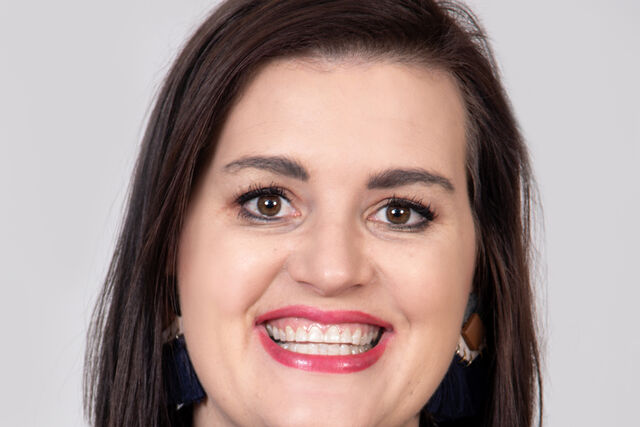
“The regulations of the Disaster Management Act, especially clauses 27 to 31, have specific rules for workers who present with COVID-19 symptoms, those who are diagnosed with COVID-19 and those who come into contact with these workers.
“The Act requires the employer to follow strict rules in these circumstances. A failure to do so could place the employer at risk of legal action,” says Inge.

The first clause, number 27, says that workers who present with COVID-19-related symptoms, and who advises the employer, should be placed on 10 days’ paid sick leave in line with Section 22 of the Basic Conditions of Employment Act (BCEA). Section 28 prescribes the same 10 days for employees who are diagnosed with COVID-19.
This means that employees get the same treatment – paid sick leave – regardless of whether they actually have the virus or simply present the symptoms. The Act says that employees who have exhausted their sick leave should still receive the same treatment and that the employer should apply for an illness benefit under the Temporary Employer / Employee Relief Scheme (TERS).
For workers who have been exposed to the infected employee, or who present the symptoms, the Disaster Management Act looks to the employer to decide if these employees can continue working or not. If the risk is low (Clause 30), the exposed employees may continue working, while using a cloth mask. The employer must monitor this person for eight days.
In instances where the exposure to a COVID employee was “high risk”, as per clause 31, the worker must also isolate for 10 days, using the same paid-for sick leave as the sick employee.
“There is a general consensus among labour law advisers that high-risk exposure should not be limited to the workplace and that employees must inform the employer immediately if they have come into contact with someone who presents with symptoms or have the virus, be it in their family or circle of friends,” says Inge.
Once informed, the employer should “take such steps as may be reasonably practicable to eliminate or mitigate any hazard or potential hazard to the safety or health of employees, before resorting to personal protective equipment”, as stated in the act.
“There is undoubtedly an opportunity for employees to abuse this system, since the presentation of symptoms are treated the same as actually having the virus. It is, however, manageable, since the employer does the risk assessment and then decides whether or not to send the employee home for the 10 days of isolation.”
“On the flipside, one could argue that since it is the employer’s decision to send someone home, such person would not need to present a sick note to be entitled to receive 10 days of paid sick leave,” says Inge.
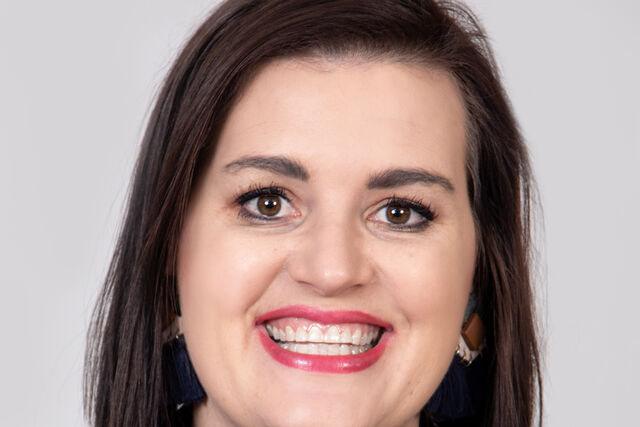
Chery has named its first bakkie for South Africa Grootman, a name chosen by South Africans. The model is planned to make its local debut in the first quarter of 2027.
South Africa’s new vehicle market recorded aggregate domestic sales of 61 645 units in September 2026, an increase of 12.7% compared with the 54 706 units sold during September 2025.
SA Auto Week 2026 is scheduled to take place in eThekwini, KwaZulu-Natal, from 13 to 16 October, with the event marking five years of SA Auto Week.
 Advertisement
 Advertisement
You can't buy happiness but you can buy cars and that's kind of the same thing.
Unknown
South Africa’s new vehicle market recorded aggregate domestic sales of 61 645 units in September 2026, an increase of 12.7% compared with the 54 706 units sold during September 2025.
SA Auto Week 2026 is scheduled to take place in eThekwini, KwaZulu-Natal, from 13 to 16 October, with the event marking five years of SA Auto Week.
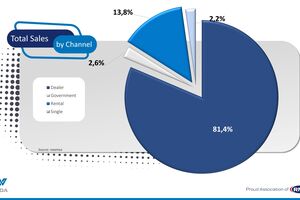
South Africa’s domestic new-vehicle market strengthened in September, recording 61 645 sales, its highest monthly total of 2026. Sales increased by 3 747 vehicles, or 6.5%, from August’s originally reported total and were 12.7% higher than in September 2025.