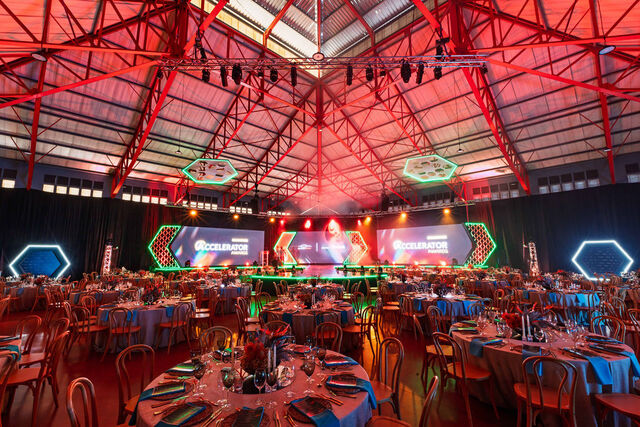
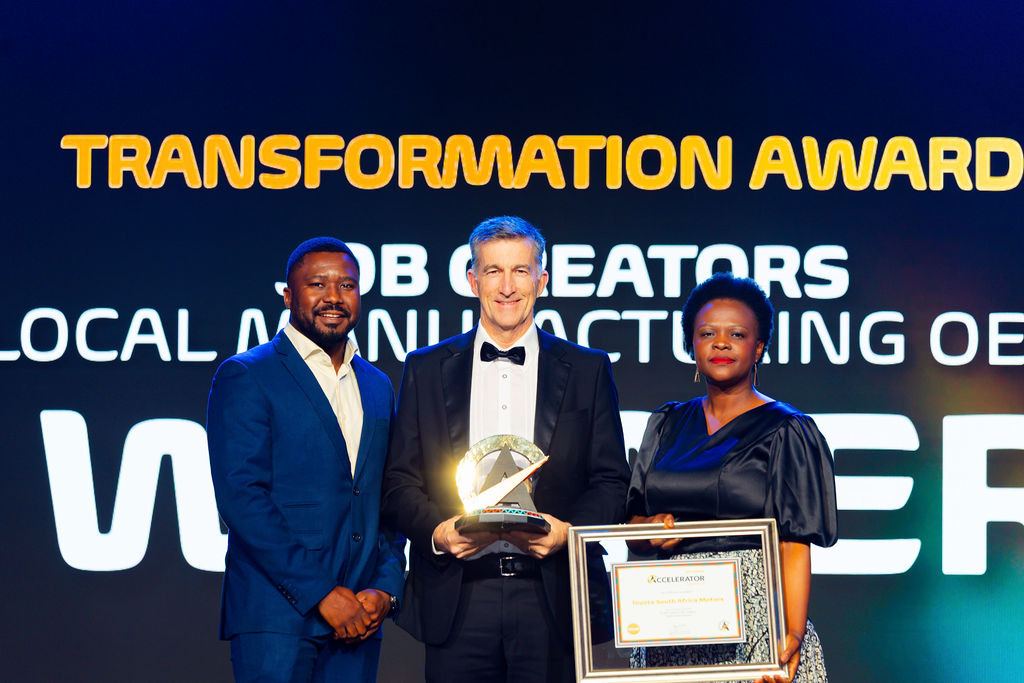
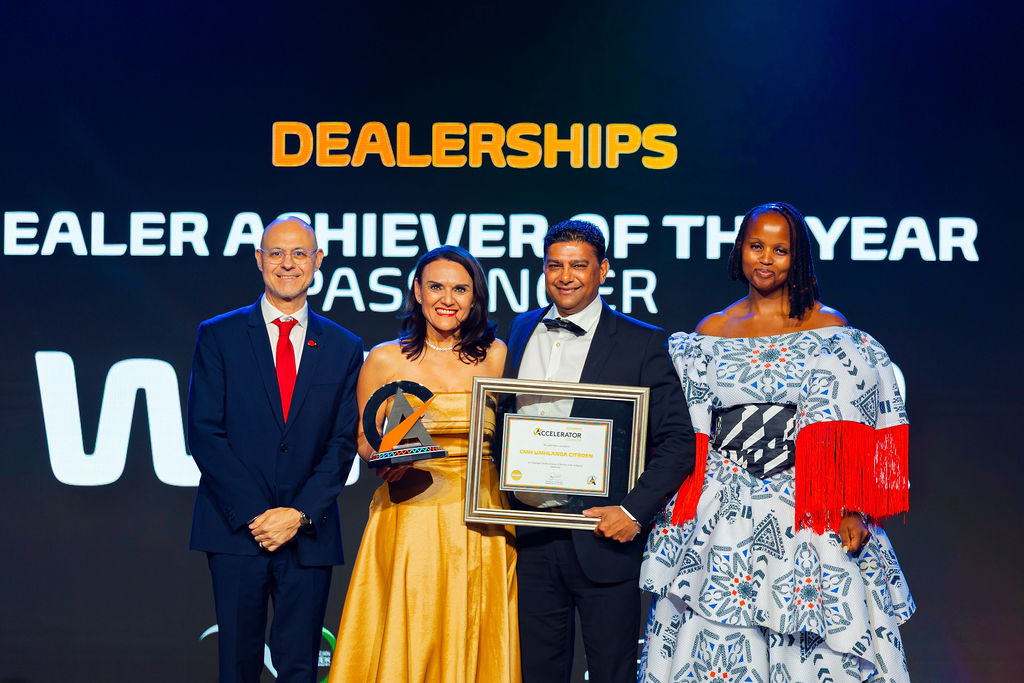
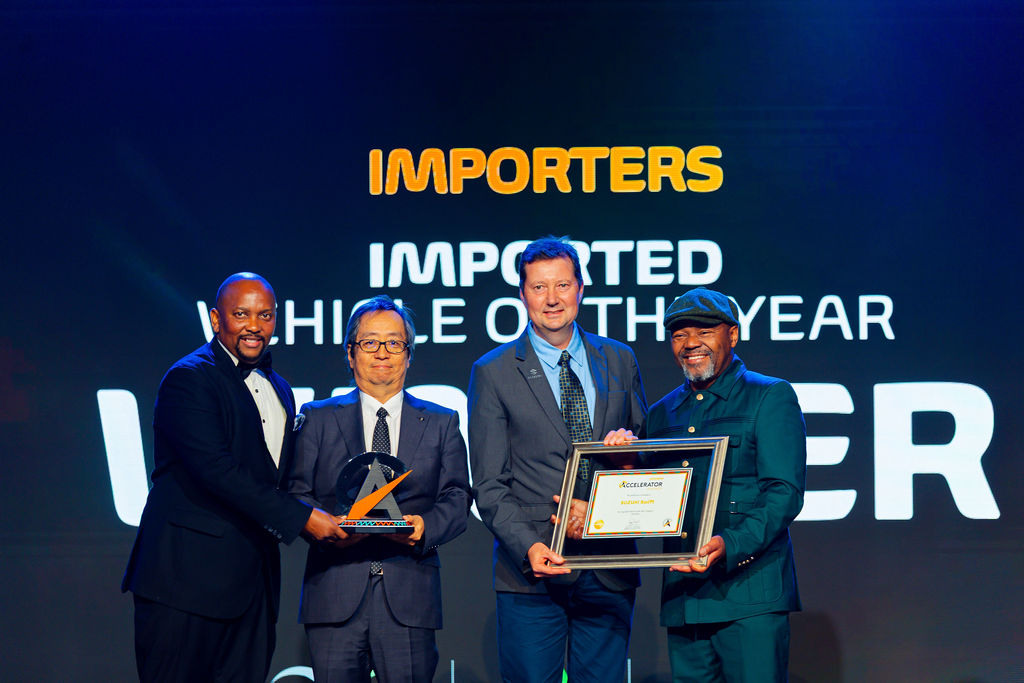
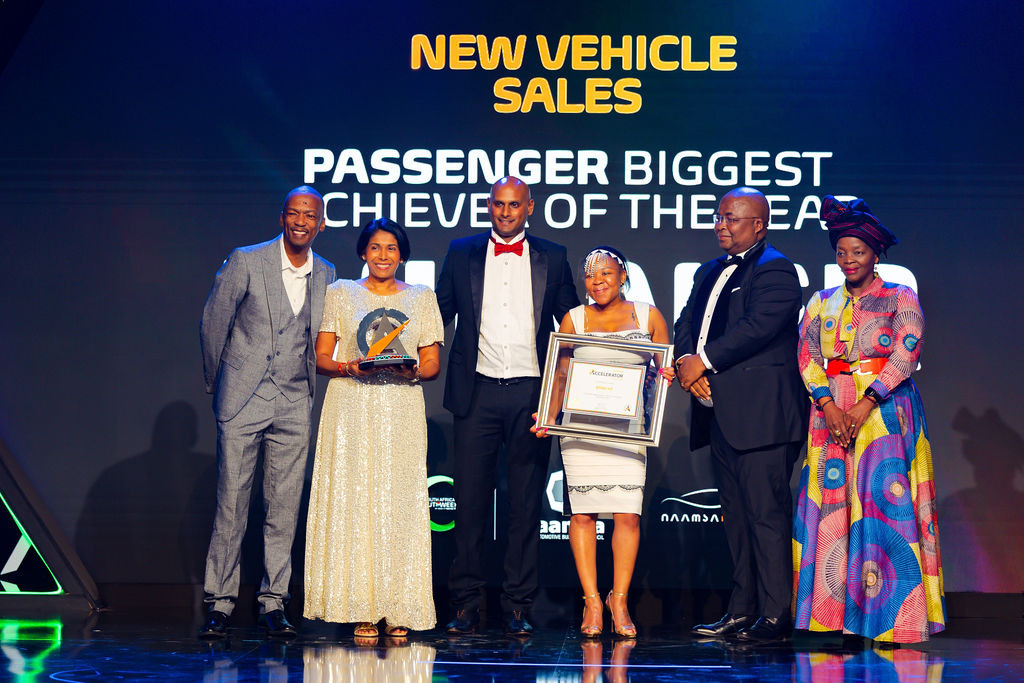
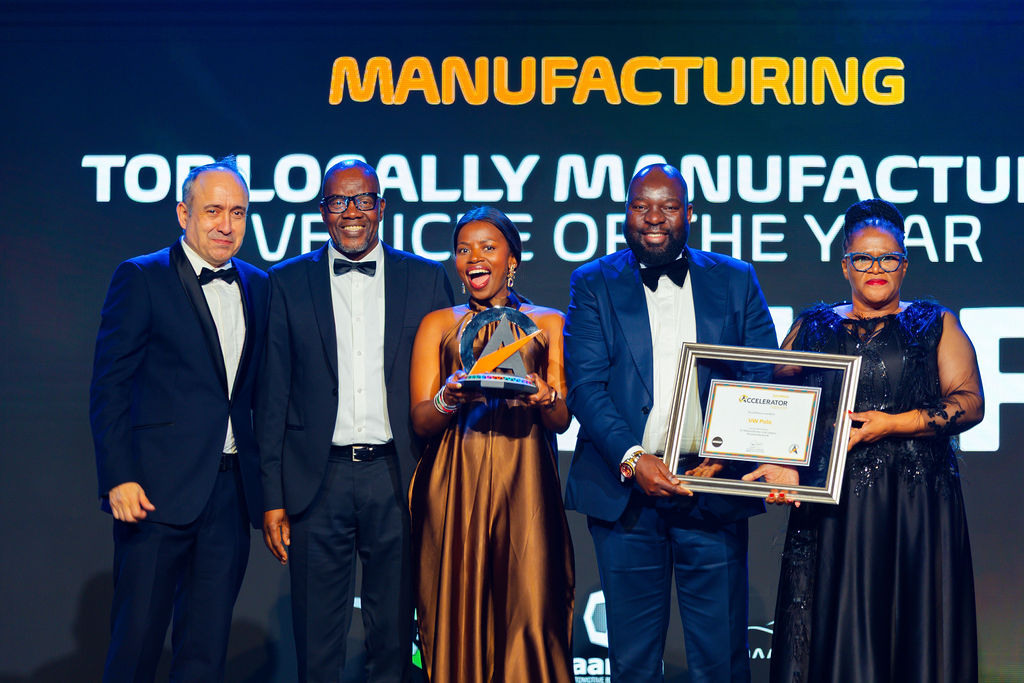
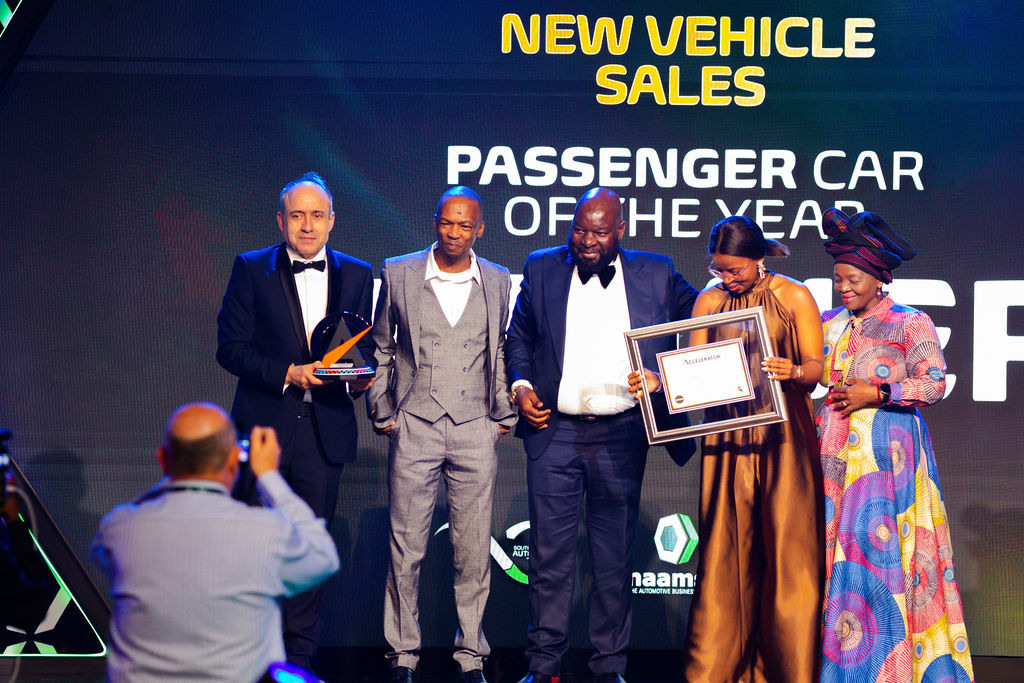
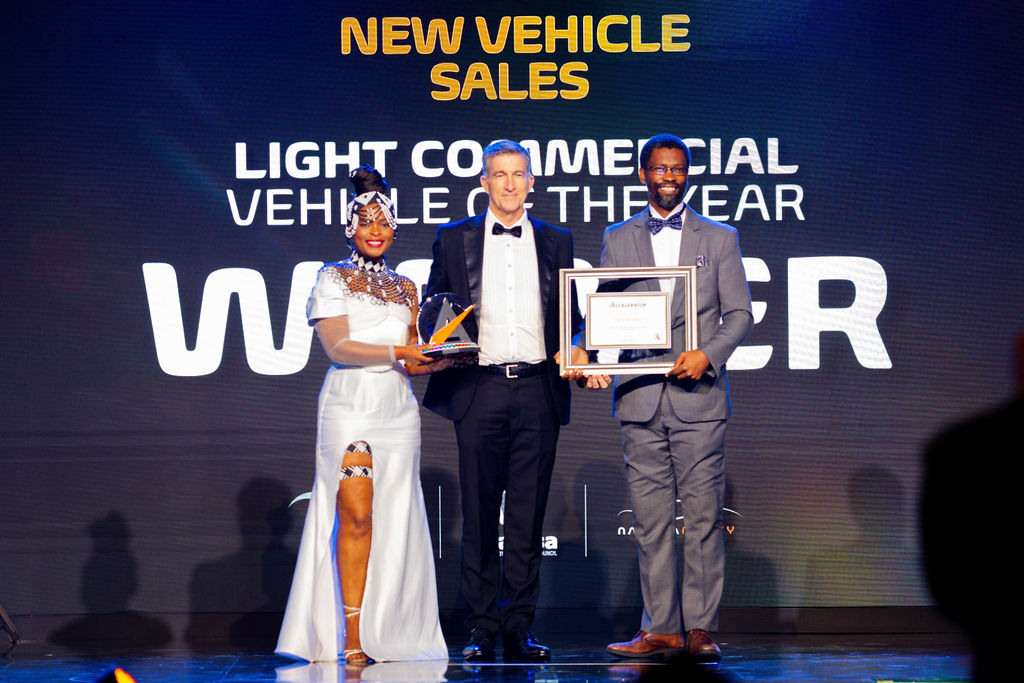
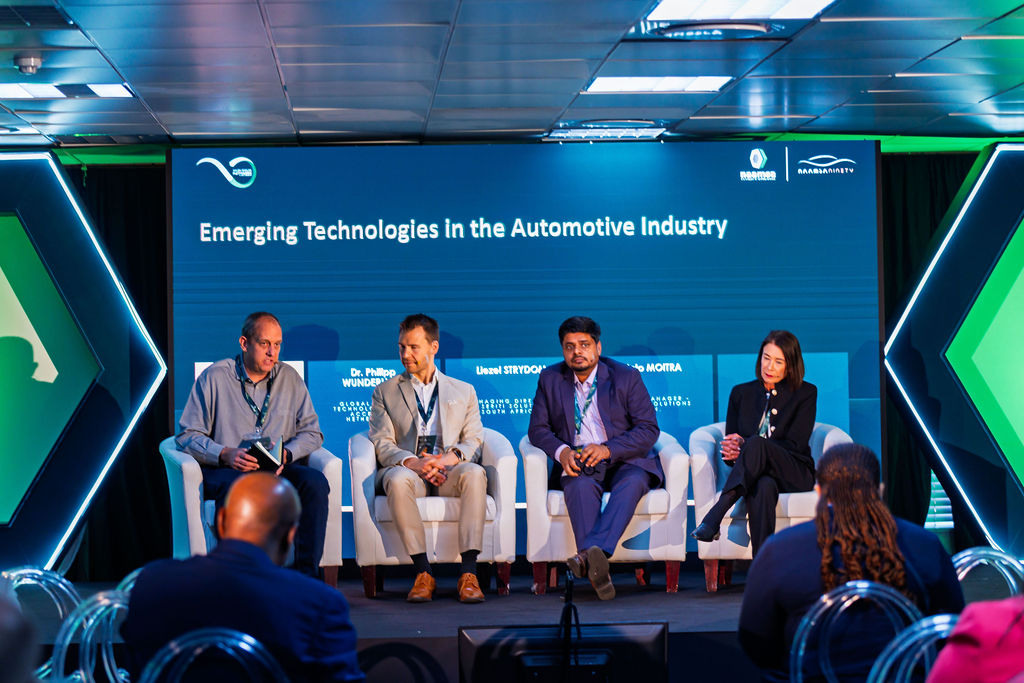
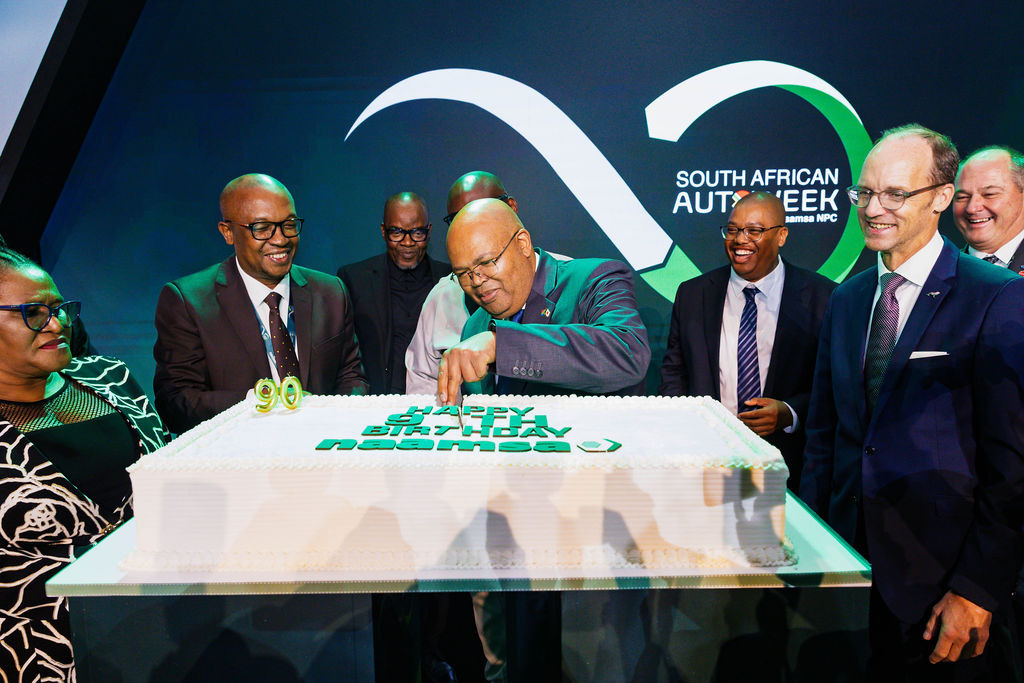
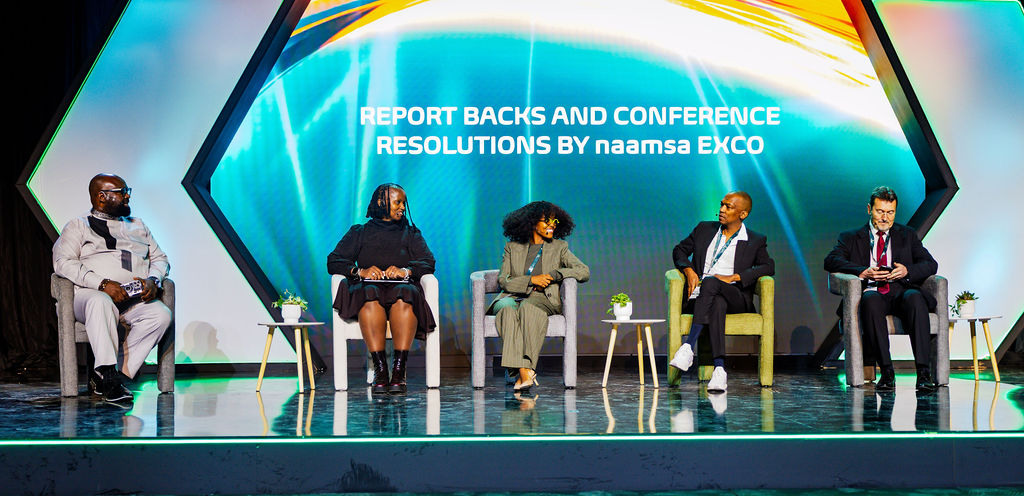
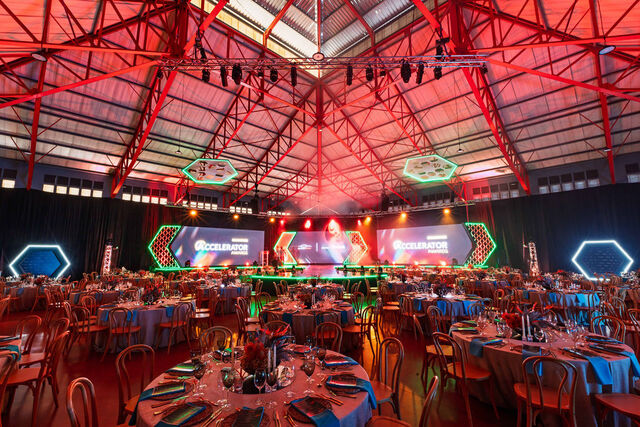
South Africa’s automotive sector arrived at the recent South African Auto Week 2025 in Gqeberha with a renewed sense of optimism, backed by clear signs of recovery, reports Ecofin Agency.
Share with friends
Over the last 18 months, vehicle manufacturers have confirmed R15.8 billion in capital expenditure, a figure that reflects sustained confidence in the country’s supplier base and industrial strength. However, much of this investment is defensive in nature, focused on modernising existing facilities and preserving capacity rather than on major production expansion, says Ecofin Agency.
The Auto Week 2025 event itself showcased both progress and prevailing constraints. In his opening address, Minister Parks Tau highlighted that the US share of South African vehicle exports has dropped from 34 percent in 2019 to just 19 percent in 2025. He then announced an additional R2.5 billion for the Automotive Investment Scheme over the next three years.
This funding targets projects that explicitly achieve at least 50 percent local content and 30 percent intra-African sales by 2028, signalling a strategic pivot by Pretoria away from the US market under AGOA and towards the opportunities within the African Continental Free Trade Area (AfCFTA).
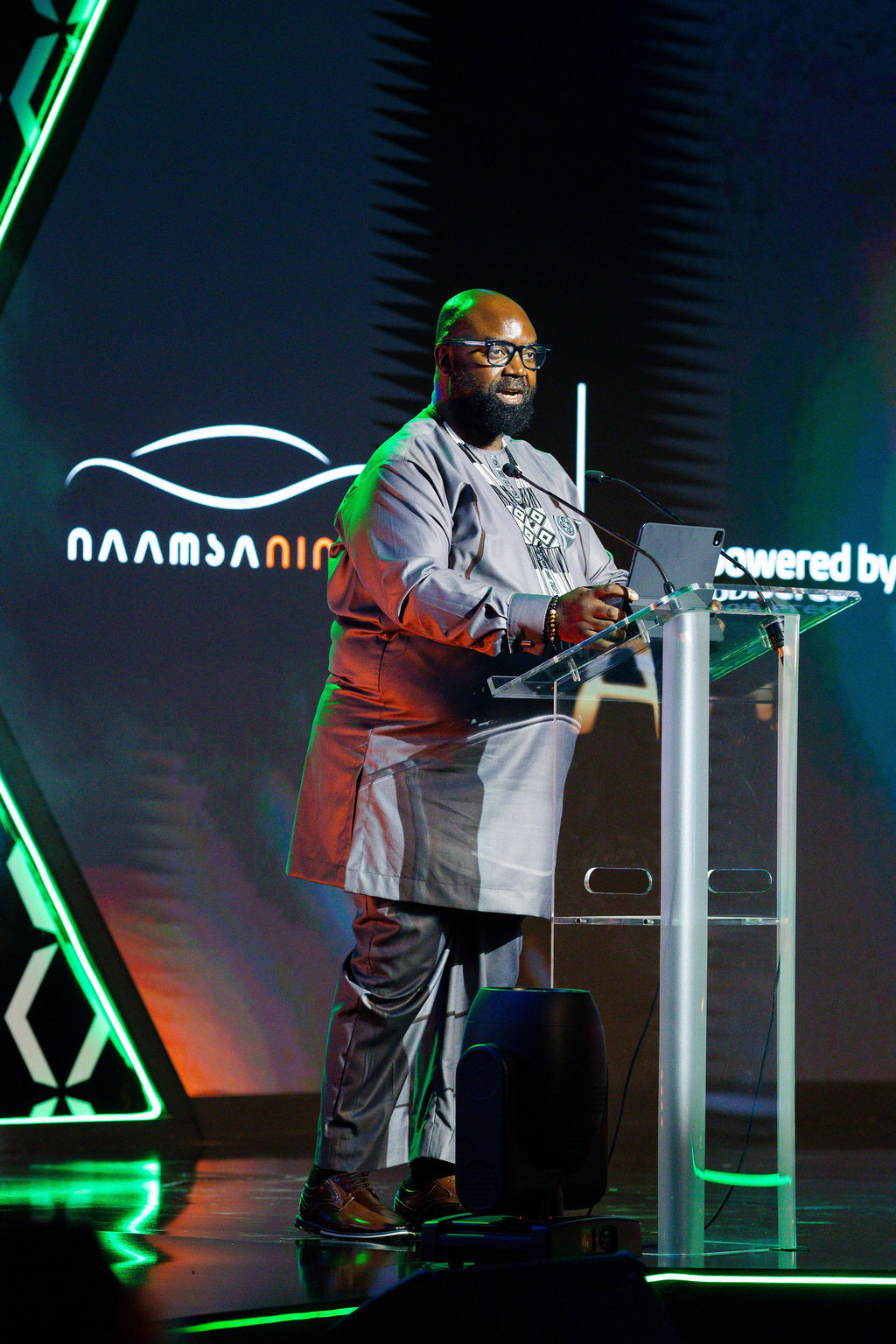
Naamsa CEO Mikel Mabasa delivered a stark reminder to delegates that the national electricity crisis remains the industry's primary operational threat. He warned that a single summer of Stage-6 load-shedding could result in the removal of 28 000 vehicles from the 2026 production plan, effectively wiping out the forecasted 4 percent growth in exports. Mikel urged manufacturers to urgently secure alternative energy sources and continue diversifying their export markets to mitigate such disruptions.
On the exhibition floor, a series of smaller yet meaningful developments reinforced the industry’s strategic repositioning. BMW showcased its first locally built X3 plug-in hybrid, destined for the European market. Suzuki also confirmed it is evaluating a R3.5 billion engine plant in the Eastern Cape. In a key move for the supply chain, the National Association of Automotive Component Exporters signed an MOU to help 22 Tier-2 suppliers achieve EU homologation standards by 2027, signalling a clear strategic turn toward European and African markets.
Rather than unveiling new megaprojects, automakers used the conference to confirm progress on their existing plans. Ford announced that it would add a second shift for the Ranger PHEV at its Silverton plant in 2026, with all additional output destined for the EU and the Middle East.
Volkswagen has confirmed that its Gqeberha facility would assemble the right-hand-drive ID.4 electric SUV starting in 2027, the first battery-electric vehicle to carry a “Made in RSA” VIN, at a rate of 12 000 to 15 000 units annually, with 45 percent local content.
Elsewhere, Toyota reported that its Durban flex-line is 70 percent complete. Isuzu stated that its upgraded paint shop is ahead of schedule, and Mercedes-Benz reaffirmed that its East London plant would produce the C-Class until 2030.
Breaking down the investments, Toyota South Africa leads with a R6.1 billion commitment to upgrade its Durban plant for the next-generation Hilux and Corolla Cross, slated for production in 2026.
Following suit, Ford South Africa is investing R5.2 billion in its Silverton facility to prepare for the introduction of a plug-in hybrid Ranger. Meanwhile, Mercedes-Benz is allocating R2.1 billion to its East London plant to extend the life cycle of the W206 C-Class to 2030.
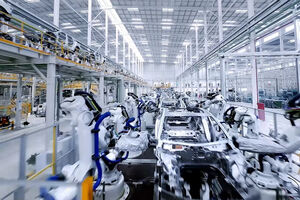
Rounding out the major projects are Isuzu’s R1.4 billion paint-shop rebuild in Gqeberha and Nissan-Renault-Mitsubishi’s sub-R1 billion retooling in Rosslyn. While these projects confirm that major OEMs are committed to their South African presence, they do not add new capacity beyond the existing ceiling of roughly 500 000 units a year.
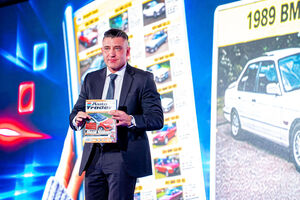
Buyers with a budget but no shortlist are getting more help, and dealers have a few changes of their own to look forward to. In this article, sponsored by AutoTrader, we look at how AutoTrader is changing how buyers find cars and how dealers get them advertised.
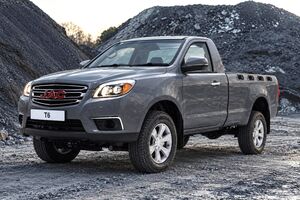
JAC Motors South Africa has launched the T6 2.0L CTi 4x4 single cab bakkie, ten months after the T6 4x2 arrived in January. The T6 4x4 was first sold locally as a double cab in 2017, and it now enters the single cab segment. With this addition, the T-Series offers 4x4 derivatives across the T6, T8 and T9 ranges.
Cheap labour and state subsidies are the usual explanations for Chinese car prices. Research from think tanks and universities suggest the answer is far more complicated.
Cheap labour and state subsidies are the usual explanations for Chinese car prices. Research from think tanks and universities suggest the answer is far more complicated.
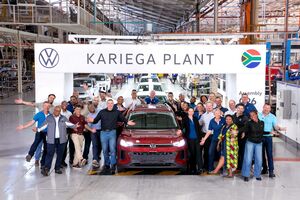
The first Volkswagen Tengo destined for an African customer rolled off the production line at Plant Kariega on 9 November 2026, making history in more ways than one.