World EV Day: CHARGE puts EV claims to the test on the N3
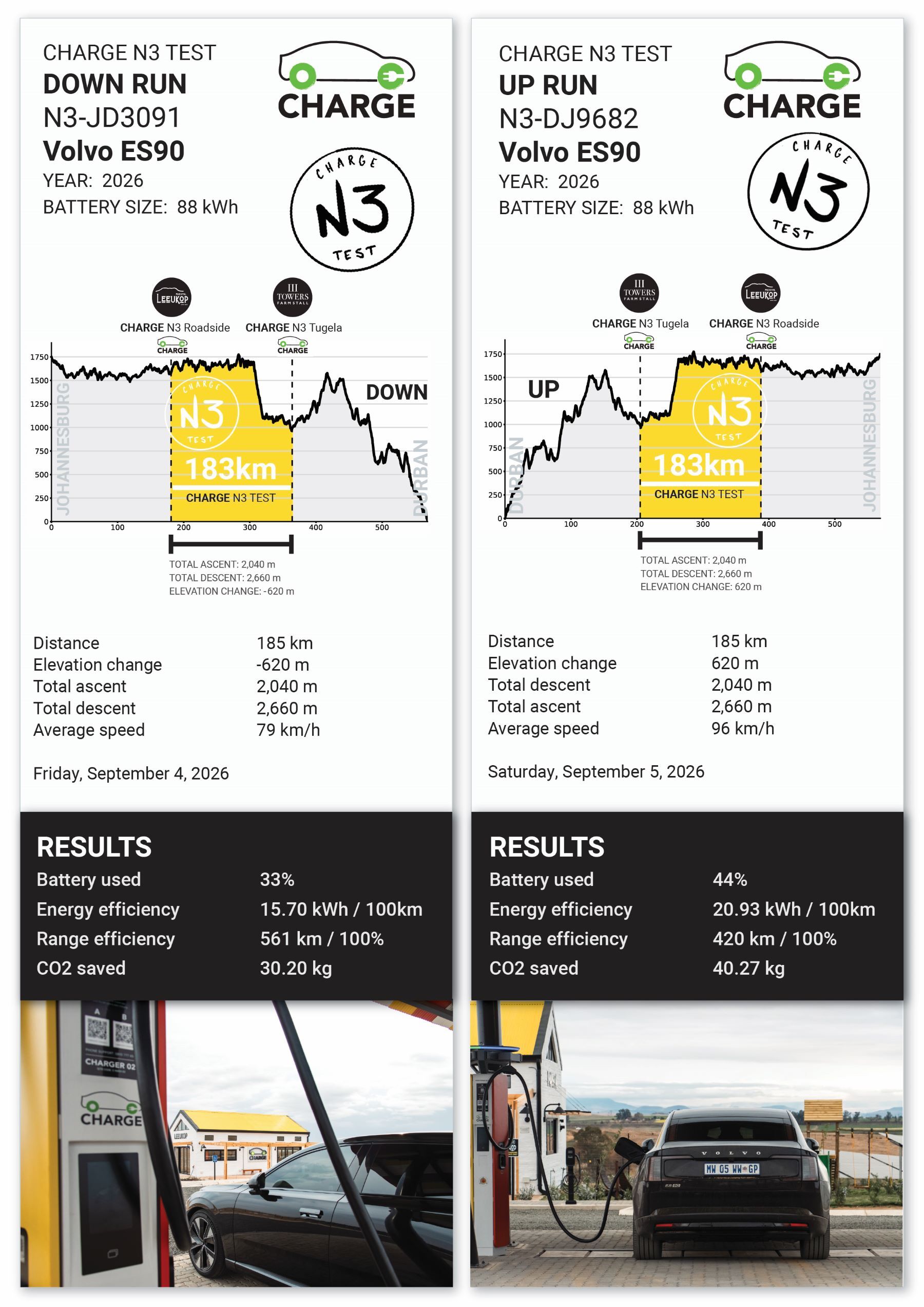
To mark World EV Day, Zero Carbon Charge (CHARGE) has launched the N3 EV Real-World Test. The initiative will turn everyday electric vehicle journeys between Johannesburg and Durban into a growing source of real-world data for South African motorists and fleet operators considering the switch to electric.
Share with friends
The initiative aims to establish a single source of information on the real-world performance of both passenger and commercial electric vehicles, using one consistent test route, the CHARGE N3 Test Route, to create a benchmark against which different EVs can be compared over time.
While prospective EV buyers have access to manufacturer specifications on range, battery capacity and efficiency, these figures do not always tell motorists and fleet owners what they most want to know: how an EV will actually perform on a South African long-distance journey under real road, weather and driving conditions. CHARGE wants to help answer that question.
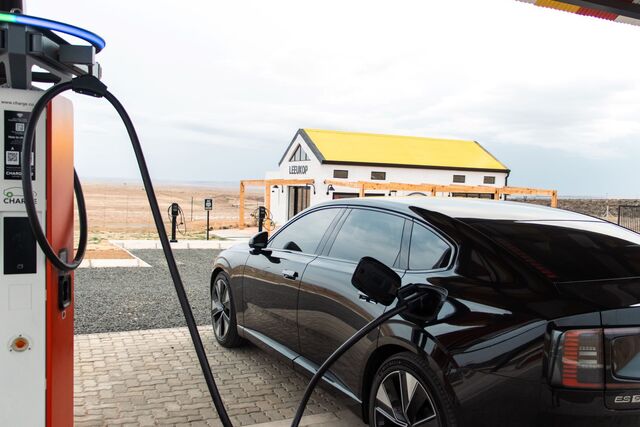
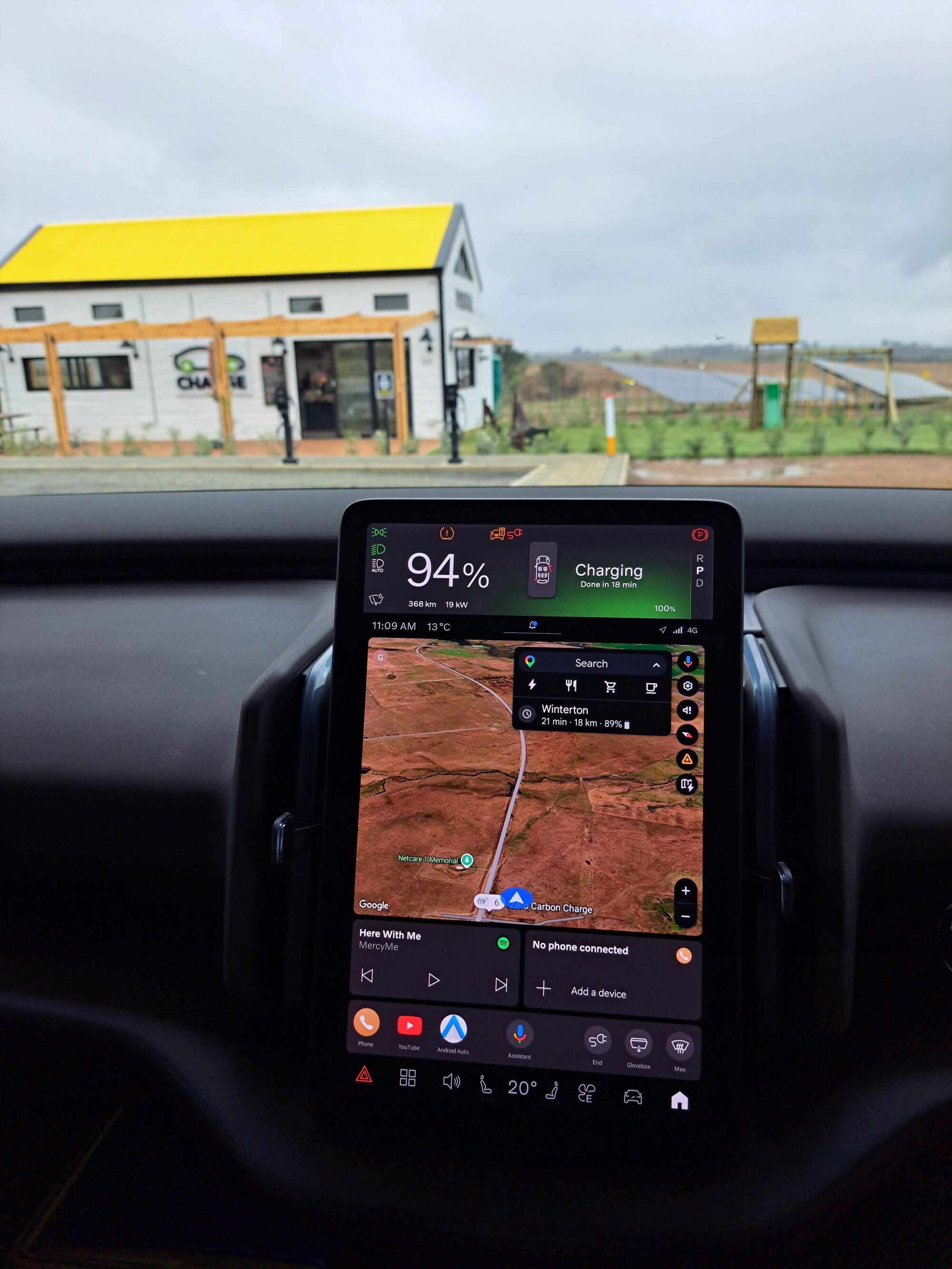
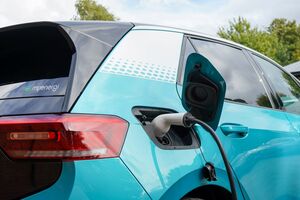
EV owners travelling between Johannesburg and Durban are being invited to use the N3 as a benchmark test route by using the two charging hubs CHARGE has opened on the highway, CHARGE N3 Roadside at Leeukop Padstal in the Free State and CHARGE N3 Tugela at Three Towers Farm Stall in KwaZulu Natal. Both hubs operate entirely off grid using solar powered microgrids and battery storage. They currently offer 360kW charging capacity, with upgrades to up to 720kW planned, designed to meet the needs of both passenger and commercial EVs, including vehicles capable of ultra-fast charging.
In exchange for sharing their vehicle and journey data, participating drivers who sign up will receive CHARGE credits to cover their charging costs on the N3 test route.
"Electric vehicle adoption is accelerating, but for many South Africans there is still a gap between what they see on a specification sheet and what they want to know before buying a vehicle," says Joubert Roux, CHARGE Co-Founder and Chair.
"Motorists and fleet operators want to know what range they can realistically expect on the open road, how much energy a vehicle uses between Johannesburg and Durban, and how factors such as elevation, weather and driving conditions affect performance. The best way to answer those questions is to start building a body of South African real-world data. Ultimately, we want potential buyers to be able to compare apples with apples," he states.
Drivers who want to participate can sign up through the CHARGE website, providing basic details about their planned journey and EV. Once registered, participants download the CHARGE app, receive a free charging voucher linked to their account, and have two months to complete their N3 EV Test. Charging duration, energy delivered, charging speed and session information are collected along the way, and participants complete a short post-test questionnaire about their vehicle and journey.
The data will then be anonymised or aggregated to build a picture of how different passenger and commercial EVs perform under real N3 driving and charging conditions, covering distance travelled, elevation change, battery percentage on arrival, range and energy efficiency, and actual charging performance.
"One trip gives us one data point. Hundreds of trips across different vehicles and conditions begin to give South African consumers something much more useful," Joubert says. "The purpose is not to crown a winning EV. It is to give people access to practical information that can help them understand which vehicle may work for their needs."
A dispute over the payload ratings of Jetour’s T1 and T2 SUVs has developed further following weighbridge testing in Gauteng, with the Automobile Association (AA) questioning some of the results and Jetour South Africa maintaining that its revised figures have been independently verified.
Chinese vehicle manufacturers continued to record significantly stronger growth than established OEM brands in South Africa during the second quarter of 2026, according to TransUnion's Q2 2026 Mobility Report.
South Africa's new energy vehicle market is becoming increasingly diverse, with plug in hybrid electric vehicles (PHEVs) and fully electric vehicles gaining ground while traditional hybrids remain the largest category.
As South Africans celebrate their rich heritage, it is also worth reflecting on a lesser-known chapter of the country's history: its long connection with electric vehicles (EVs).