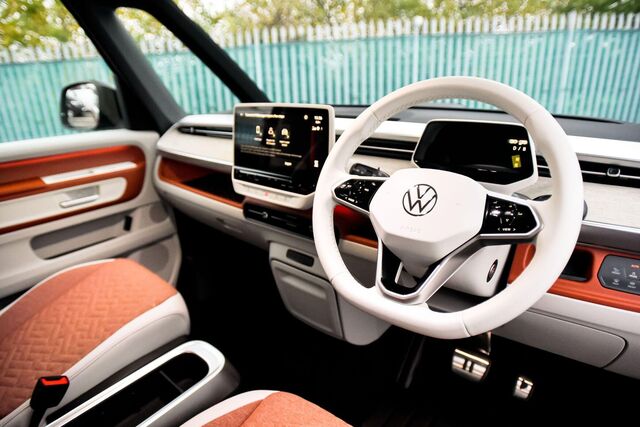
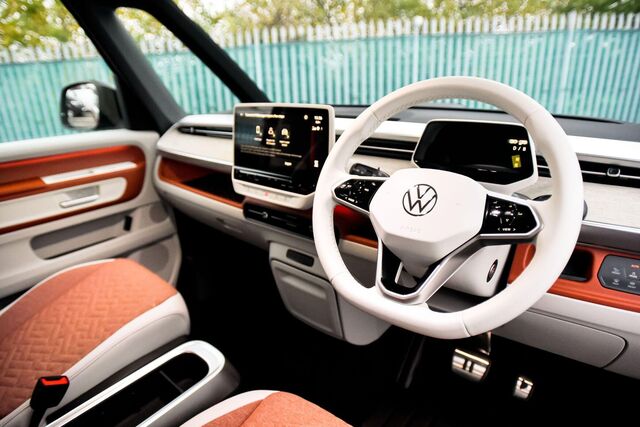
Reuters has reported that Volkswagen plans to build its new generation of Trinity electric vehicles (EVs) at its factory in Zwickau, Germany, scrapping plans for an all-new factory that were pushed under the group’s former CEO.
Share with friends
The Trinity electric car, which is to be based on Volkswagen’s new scalable systems platform (SSP), was supposed to be launched in 2026 as part of plans by former CEO Herbert Diess.
However, shortly after taking office, his successor Oliver Blume pushed the project back by two years in order to relieve pressure on the struggling software subsidiary, Cariad.
Volkswagen had initially planned to build a new factory for the model but owing to delays in developing the brand, the German carmaker was also considering converting its Wolfsburg factory.
"It was decided that there was no need to build an additional plant in Wolfsburg Warmenau," the German carmaker said after a supervisory board meeting during which the location for the prestige EV was discussed.
The news is part of the production allocation plant for Volkswagen's namesake brand through 2028, the group said.
Instead, the Trinity project will go to Volkswagen's Zwickau plant, which is currently suffering from weak demand and is in the process of cutting its three-shift production schedule, which has been in place for more than three decades.
The carmaker added that its iconic Golf model would be "led into the electric future" at its main Wolfsburg plant, the carmaker's headquarters, which were hit by a major IT outage earlier this week.
"Within the context of our performance programme, this newly approved vehicle allocation plan will make a substantial contribution to a strong, competitive VW brand," Volkswagen brand CEO Thomas Schaefer said.
A dispute over the payload ratings of Jetour’s T1 and T2 SUVs has developed further following weighbridge testing in Gauteng, with the Automobile Association (AA) questioning some of the results and Jetour South Africa maintaining that its revised figures have been independently verified.
Chinese vehicle manufacturers continued to record significantly stronger growth than established OEM brands in South Africa during the second quarter of 2026, according to TransUnion's Q2 2026 Mobility Report.
Cars are the ultimate symbol of freedom, independence and individualism. They offer the freedom to ‘go anywhere,’ whenever it suits and with whom one chooses.
South Africa's new energy vehicle market is becoming increasingly diverse, with plug in hybrid electric vehicles (PHEVs) and fully electric vehicles gaining ground while traditional hybrids remain the largest category.
As South Africans celebrate their rich heritage, it is also worth reflecting on a lesser-known chapter of the country's history: its long connection with electric vehicles (EVs).