Volvo promotes safety with world-first three-car EV crash test
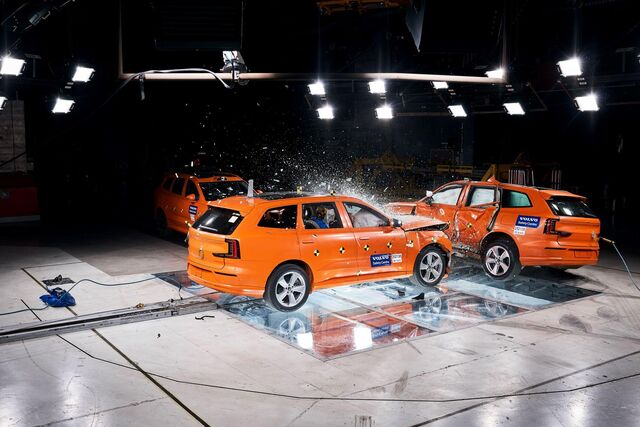
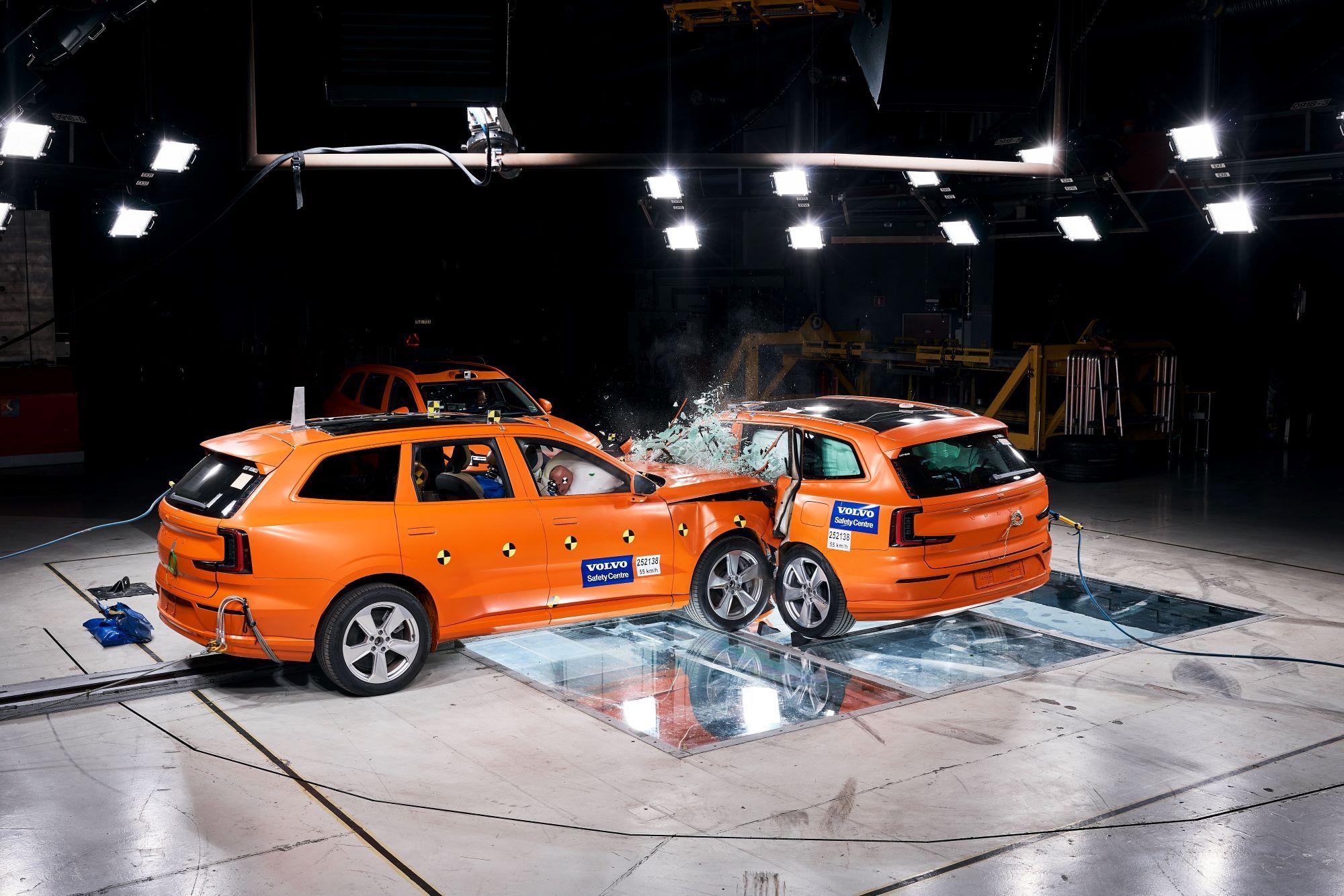
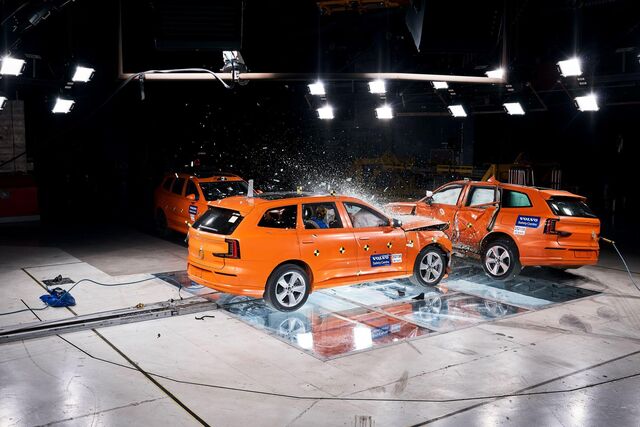
Volvo conducted the first public crash test with three electric vehicles in a single sequence, using the new EX90.
Share with friends
The test went beyond regulatory requirements, simulating scenarios that no current safety rating covers.
With thousands of serious crashes every year in South Africa, Volvo Car South Africa’s MD stressed the importance of testing safety from different angles to protect people in real-world situations.
Since its founding in 1927, Volvo has set the benchmark for safety. From introducing the three-point seatbelt in 1959 (an invention shared freely with the automotive industry) to pioneering side-impact protection in the early 1990s, the Swedish marque has consistently gone further than regulations require. Safety has always been more than a rating for Volvo; it’s about preparing for the unexpected in real-life scenarios.
That commitment was on display in a groundbreaking demonstration: the first public crash test involving three electric vehicles in a single sequence, a world-first in automotive safety.
The test, conducted with three Volvo EX90s in South Africa earlier this year, saw the first car run at 50km/h towards the second EX90, but managed to brake to a complete stop, avoiding a collision entirely. This demonstrates the SUV’s advanced driver assistance systems, with the City Safety system bringing the car to a complete stop to prevent an accident.
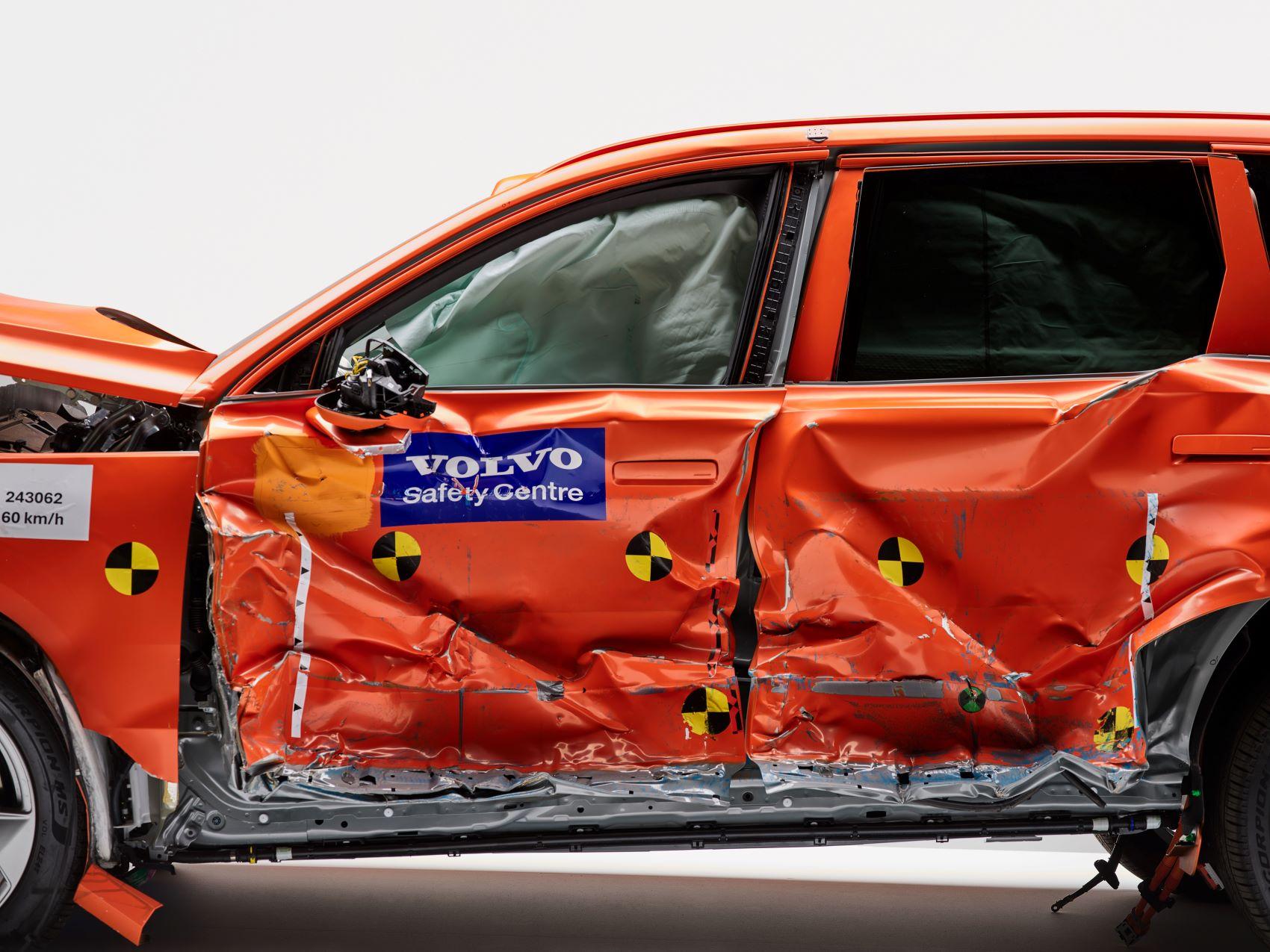
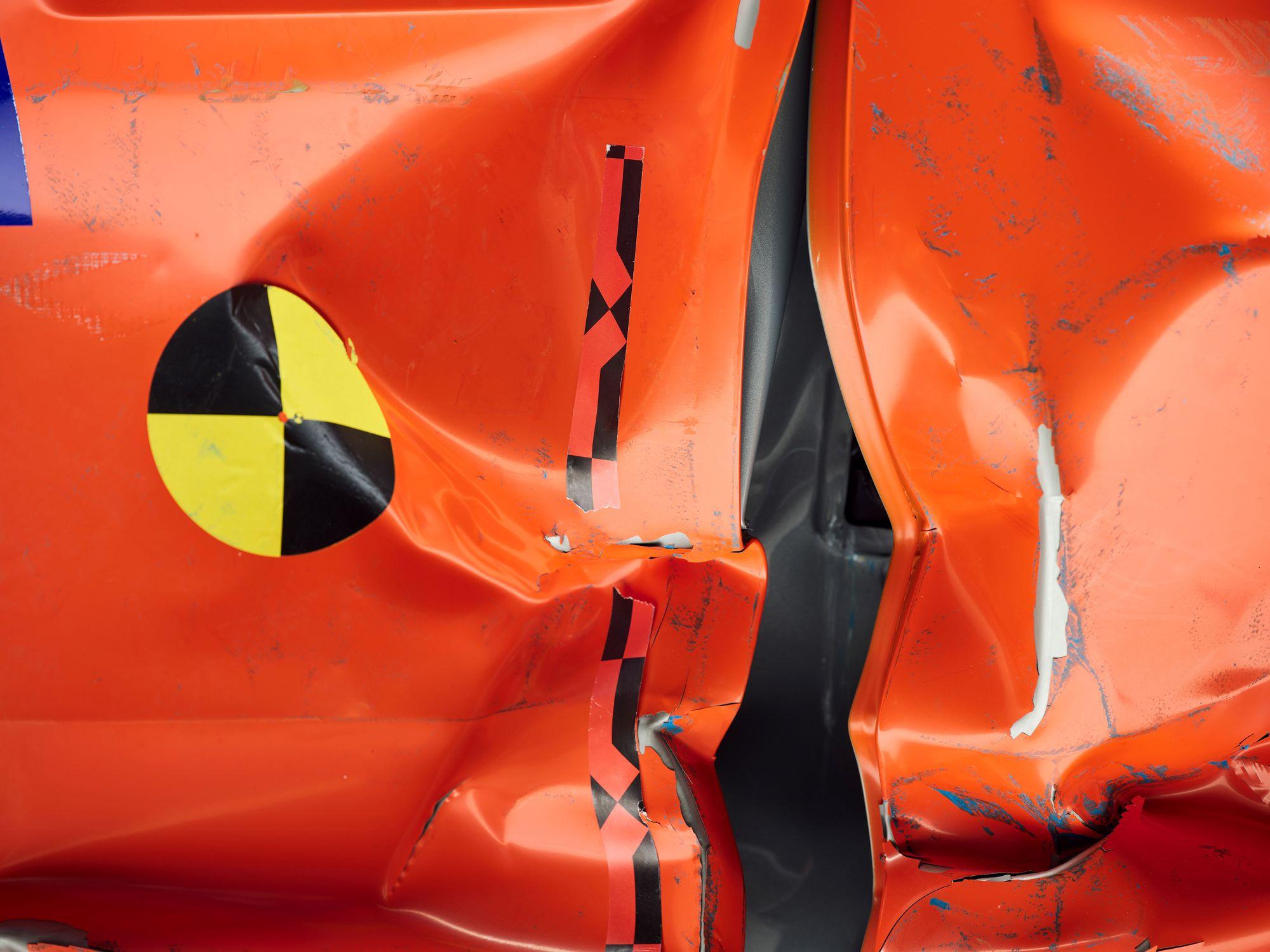
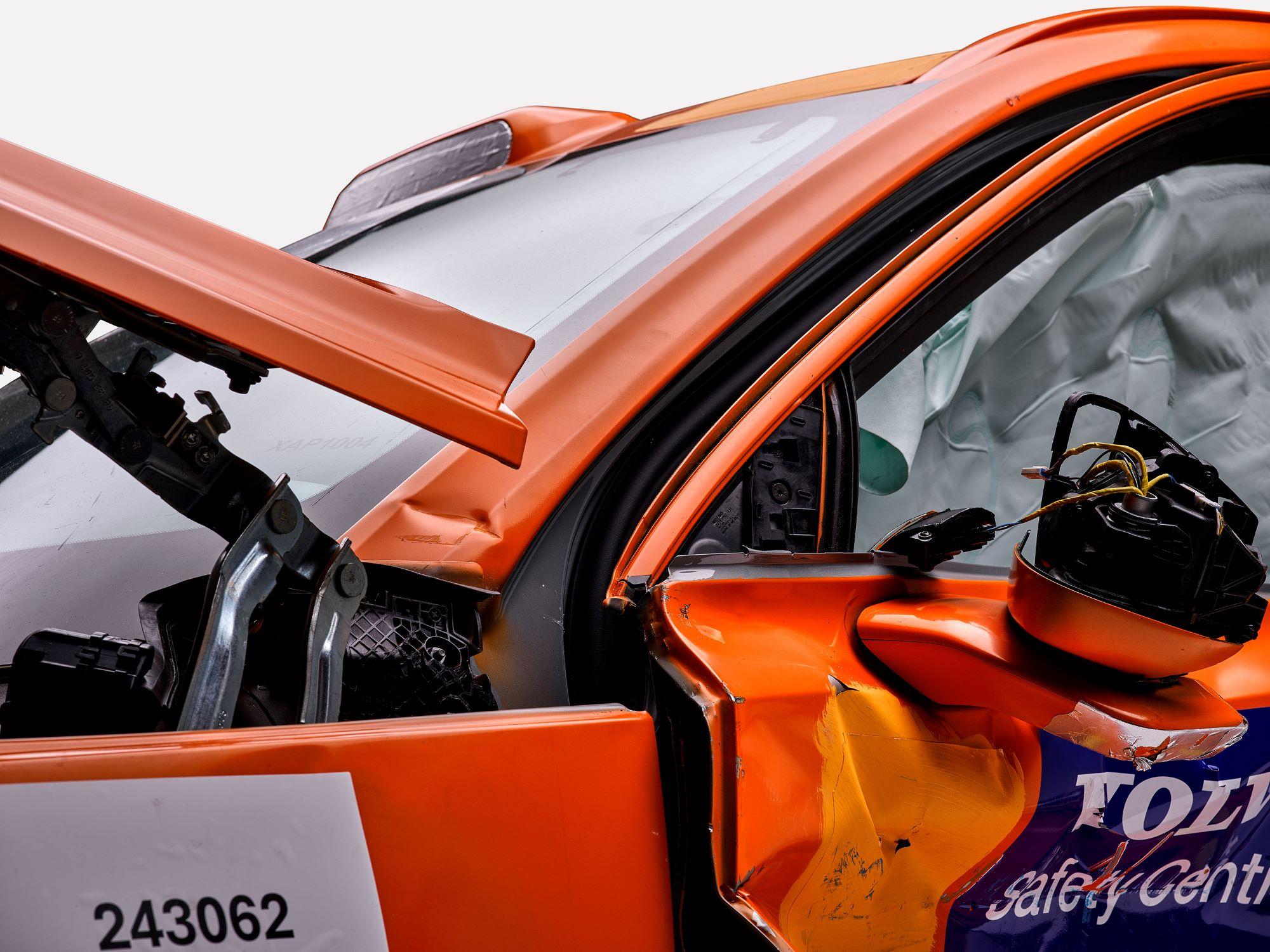
Then, a third car, travelling at 55km/h, hit the second car on the side, colliding in the middle where the occupants were seated. “The car engaged its safety cage, and that helped transfer the loads while managing to deform and absorb the energy from this violent crash. Of course, the side airbags and inflatable curtains were also activated immediately on impact, which helped to protect the occupants,” commented Thomas Broberg, Senior Technical Advisor Safety, at Volvo Cars.
According to data collected from the cars and crash test dummies, there would have been no serious injuries to the occupants, highlighting the crash protection of Volvo vehicles like the EX90. “The test is a great example of how we can cover a wide range of scenarios compared to what is required to achieve five stars in any rating. It is essential to meet our pioneering safety standard, for safety in the real world,” he adds.
“In South Africa, where more than 12 400 people died in road crashes in 2022 alone, safety cannot just be about meeting the minimum requirements,” commented Grant Locke, Managing Director of Volvo Car South Africa. “It’s about making sure our cars protect people in as many real-world situations as possible. That’s why tests like these matter; they push us to look at safety from different angles, beyond the ratings, and ensure our vehicles deliver when it counts most.”
By conducting a crash test that no regulation requires, Volvo once again demonstrates its commitment to safety, extending it beyond mere compliance. In the transition to electrification, the brand is applying the same philosophy that has saved millions of lives over the decades: setting its own standard to protect people in real-world driving conditions.
A dispute over the payload ratings of Jetour’s T1 and T2 SUVs has developed further following weighbridge testing in Gauteng, with the Automobile Association (AA) questioning some of the results and Jetour South Africa maintaining that its revised figures have been independently verified.
Chinese vehicle manufacturers continued to record significantly stronger growth than established OEM brands in South Africa during the second quarter of 2026, according to TransUnion's Q2 2026 Mobility Report.
South Africa's new energy vehicle market is becoming increasingly diverse, with plug in hybrid electric vehicles (PHEVs) and fully electric vehicles gaining ground while traditional hybrids remain the largest category.
As South Africans celebrate their rich heritage, it is also worth reflecting on a lesser-known chapter of the country's history: its long connection with electric vehicles (EVs).