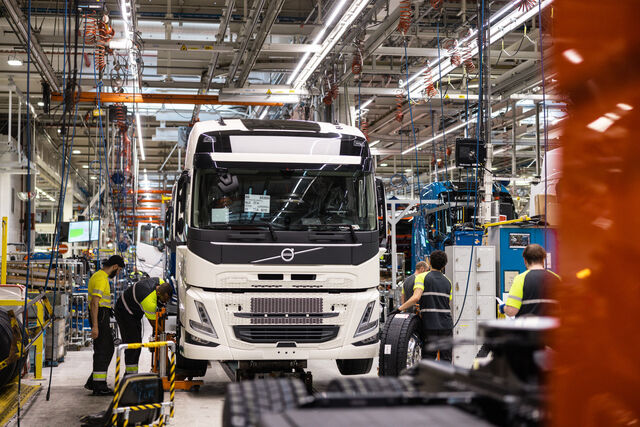
This means that electric Volvo trucks are now built in four factories – three in Europe and one in the US.
“I´m thrilled. The Ghent factory is the largest one in our network, so this is a very important milestone. Now even more transport companies can go electric with Volvo,” says Roger Alm, President of Volvo Trucks.
Three different electric models will be built in Ghent – the Volvo FH, the Volvo FM and the Volvo FMX Electric. These trucks can operate at a total weight of 44 tons and can be adapted for a wide range of transport needs.
“Our trucks are much loved for their outstanding quality, safety, design and driver comfort. It’s great that our customers can get all these benefits and at the same time transport goods without emitting any CO2,” Roger says.
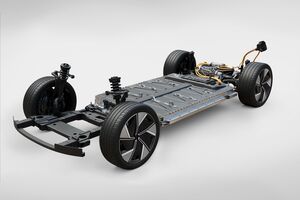
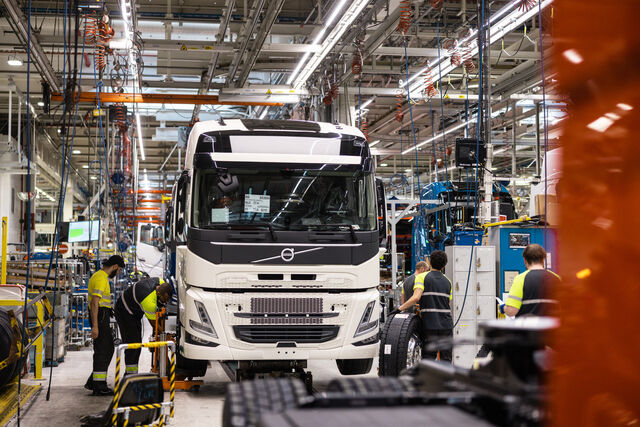
The Ghent factory is the largest Volvo Trucks production site with a yearly capacity of around 45 000 trucks. The electric trucks are assembled on the same platform and line as the diesel and gas-powered trucks in a production set-up that gives the factory a high flexibility when it comes to handling different variants and demands. The battery packs come from the recently opened battery assembly plant in Ghent, located right next to the production line.
Ghent is the fourth Volvo Trucks factory to produce battery electric trucks. First out was Blainville in France, where Volvo started building electric trucks for refuse handling and city distribution in 2019. One year later, the site in New River Valley, US, commenced serial production of the VNR Electric, designed for regional transport. Then an important milestone was reached last year, when Volvo Trucks put its heaviest range into serial production at the Tuve plant in Sweden, as the first global manufacturer to do so.
So far Volvo Trucks has taken orders, including letters of intent to buy, for around 6 000 electric trucks in 42 countries on all continents.
“Just a few years ago, many thought it was impossible to electrify heavy truck transport. But we decided early on that electrification is our main path to zero emissions. Now we can offer an industry-leading range of purpose-built electric trucks, in commercial operation all around the world,” says Alm.
“However, for the big electric shift to happen, governments need to act now and offer incentive programmes for those who invest in the new technology, increase capacity in the power grid and also introduce CO2 taxes, to make sustainable transport more competitive.”