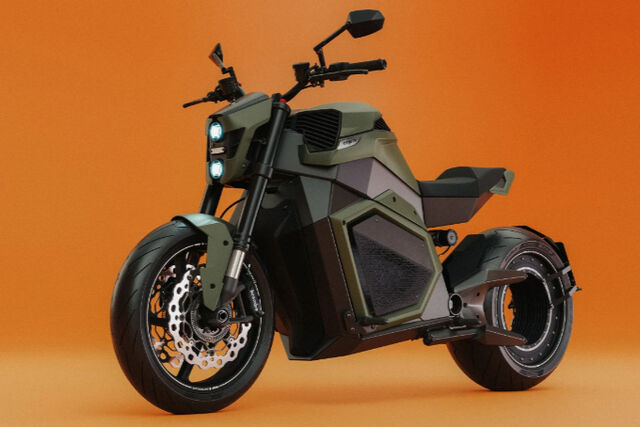
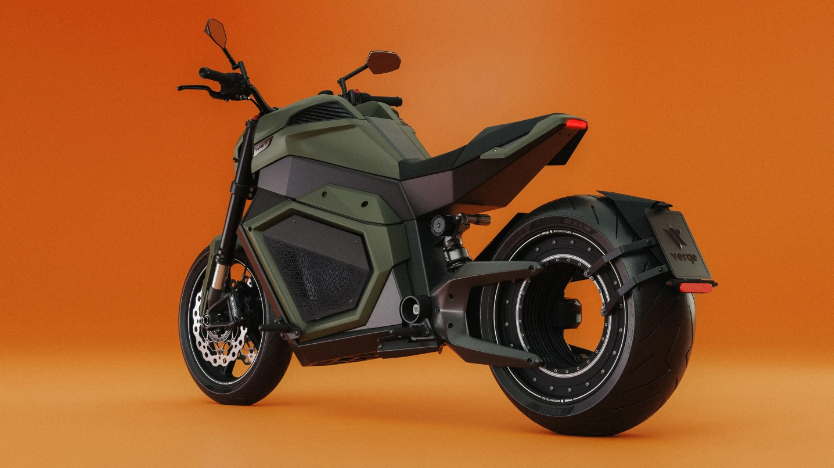
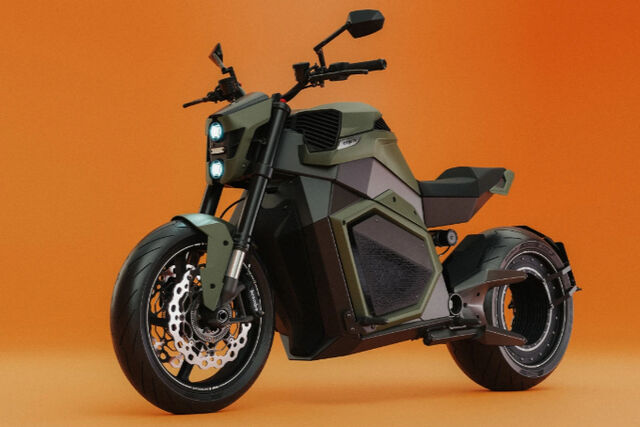
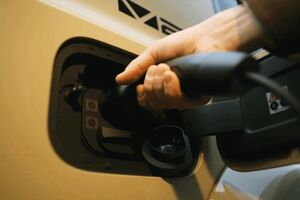
Verge Motorcycles, the Finnish company that will begin selling its electric superbikes in the US market at the end of this year, joins the ranks of well-known car giants, General Motors and Ford, in announcing its intention to utilise Tesla’s NACS charging network.
Share with friends
Electric superbike pioneer, Verge Motorcycles, has taken a stand on the recently much talked about electric plug-in war and announced at the end of June that it would be the first in the industry to adopt Tesla’s NACS charging connector.
“We have been following the discussion with interest about the future of the charging infrastructure and Tesla’s decision to open up its NACS charging standard. Providing our customers with a comprehensive and easy, fast charging system is vital in terms of Verge’s growth. We are currently preparing to enter the US market, and as the Tesla of motorcycles, this decision seemed like a natural solution for us,” says Marko Lehtimäki, Chief Technology Officer at Verge.
“Total customer service is everything for Verge. We want Verge owners to have access to the most extensive fast charging system in North America, which is why we plan to utilise Tesla’s network of 17 000 charging stations,” says Pekka Parnanen, Chief Operating Officer of Verge’s US operations.
Tesla’s decision to remove all the patents for its NACS charging standard has received a lot of international attention recently, after several major players in the industry, including General Motors, Ford and most recently electric car manufacturer, Rivian, announced that they would adopt the charging system developed by Tesla.
Following the move to open up the NACS charging standard, competing operators can also add charging devices equipped with NACS connectors to their networks. Until now, the patent-protected system could only be used to charge Tesla’s own vehicles.
Cheap labour and state subsidies are the usual explanations for Chinese car prices. Research from think tanks and universities suggest the answer is far more complicated.
The first Volkswagen Tengo destined for an African customer rolled off the production line at Plant Kariega on 9 November 2026, making history in more ways than one.
Cars are the ultimate symbol of freedom, independence and individualism. They offer the freedom to ‘go anywhere,’ whenever it suits and with whom one chooses.
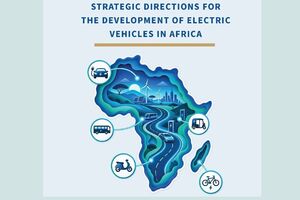
Energy security, electrification, grid infrastructure and sustainable transport take centre stage at COP31 in Antalya, Türkiye, as the climate conference devotes a full day to energy and transport. Africa enters that conversation with a plan of its own: the African Union’s (AU) Continental Framework on Electric Mobility (eMobility).
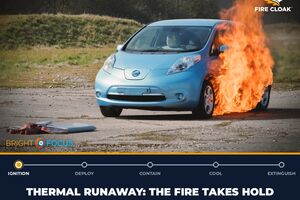
As electric and plug-in hybrid vehicles become more common in South Africa, dealerships and workshops face new safety challenges. In this article, sponsored by Bright Focus, we look at complete scenario surrounding the damaged high-voltage battery packs can present and the solution.