Toyota Motor Corporation (Toyota), Subaru Corporation (Subaru), and Mazda Motor Corporation (Mazda) have each committed to developing new engines tailored to electrification and the pursuit of carbon neutrality.
Share with friends
With these engines, each of the three companies aims to optimise integration with motors, batteries and other electric drive units. While transforming vehicle packaging with more compact engines, these efforts will also decarbonise ICEs by making them compatible with various carbon-neutral (*CN) fuels.
Toyota, Subaru and Mazda have always been driven by a deep understanding of their customers' diverse lifestyles. This understanding has led the three companies to develop signature engines that not only represent their respective brands but also cater to their customers' unique needs and preferences.
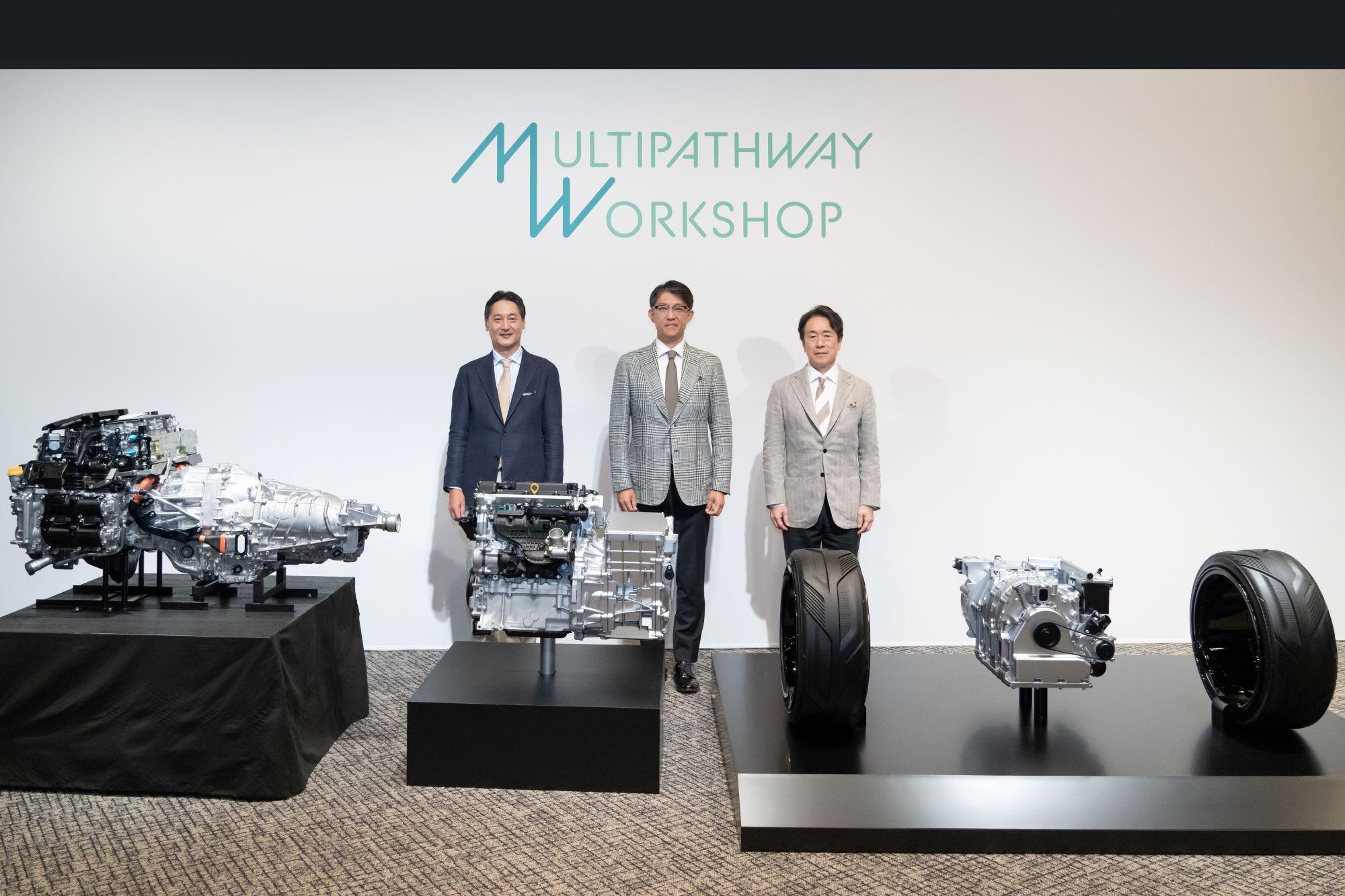
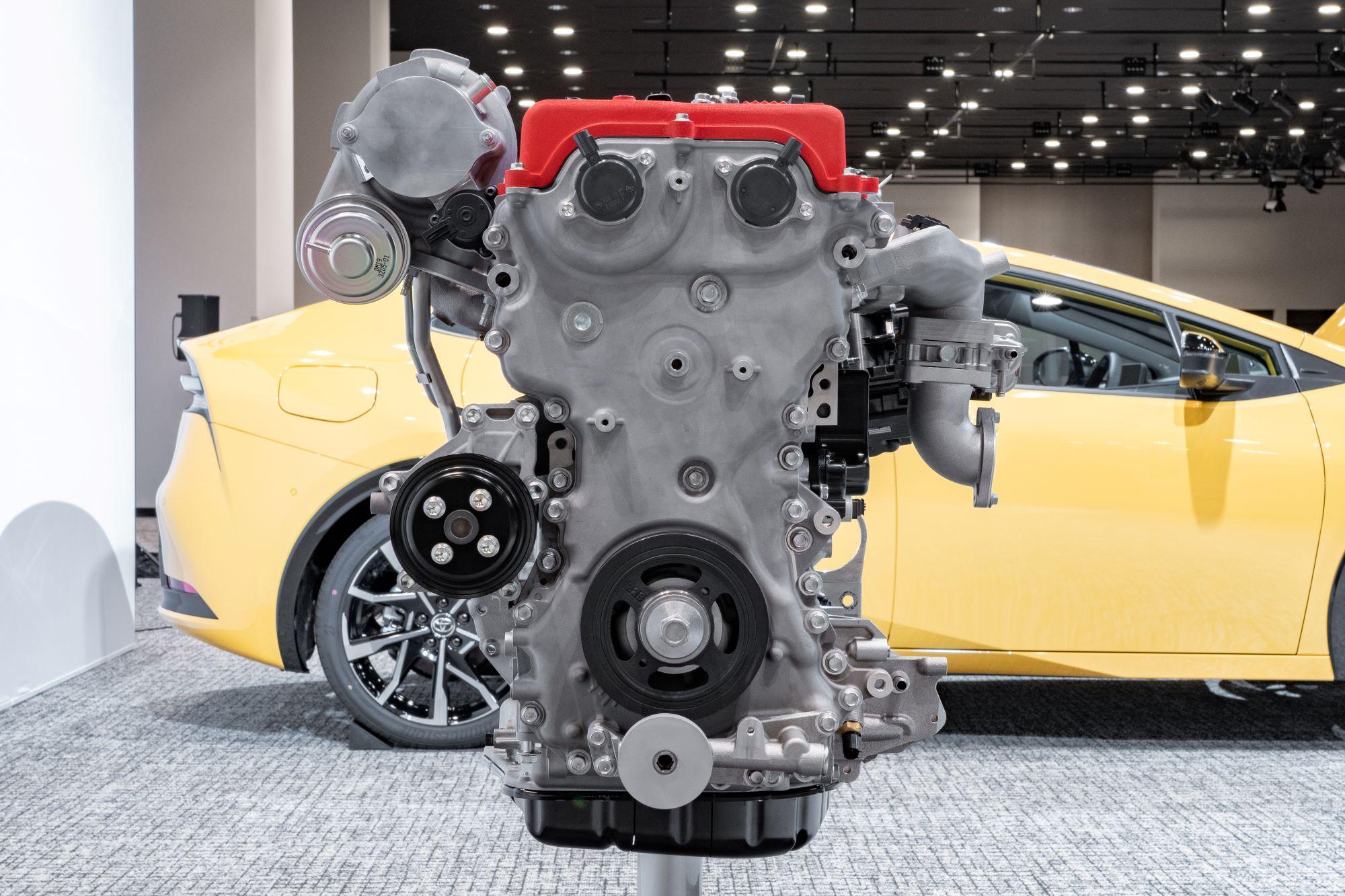
Each company's iconic engines: Subaru’s horizontally-opposed engine (Pistons move horizontally, resulting in a low-profile engine with less vibration & lower centre of gravity); Toyota’s inline-four engine (achieves both high output and high thermal efficiency) and Mazda’s Rotary engine (compact and lightweight, yet powerful. Currently used for generators).
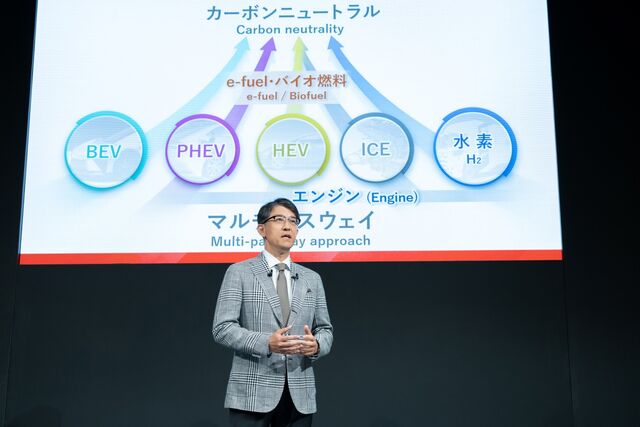
"In order to provide our customers with diverse options to achieve carbon neutrality, it is necessary to take on the challenge of evolving engines that are in tune with the energy environment of the future. The three companies, which share the same aspirations, will refine engine technologies through friendly competition," says Koji Sato, President, Member of the Board of Directors and CEO, Toyota Motor Corporation.
This process has clarified the role that future engines will play in achieving carbon neutrality. With the next generation of engines, the three companies will seek to not only improve standalone engine performance but also optimise their integration with electric drive units, harnessing the advantages of each.
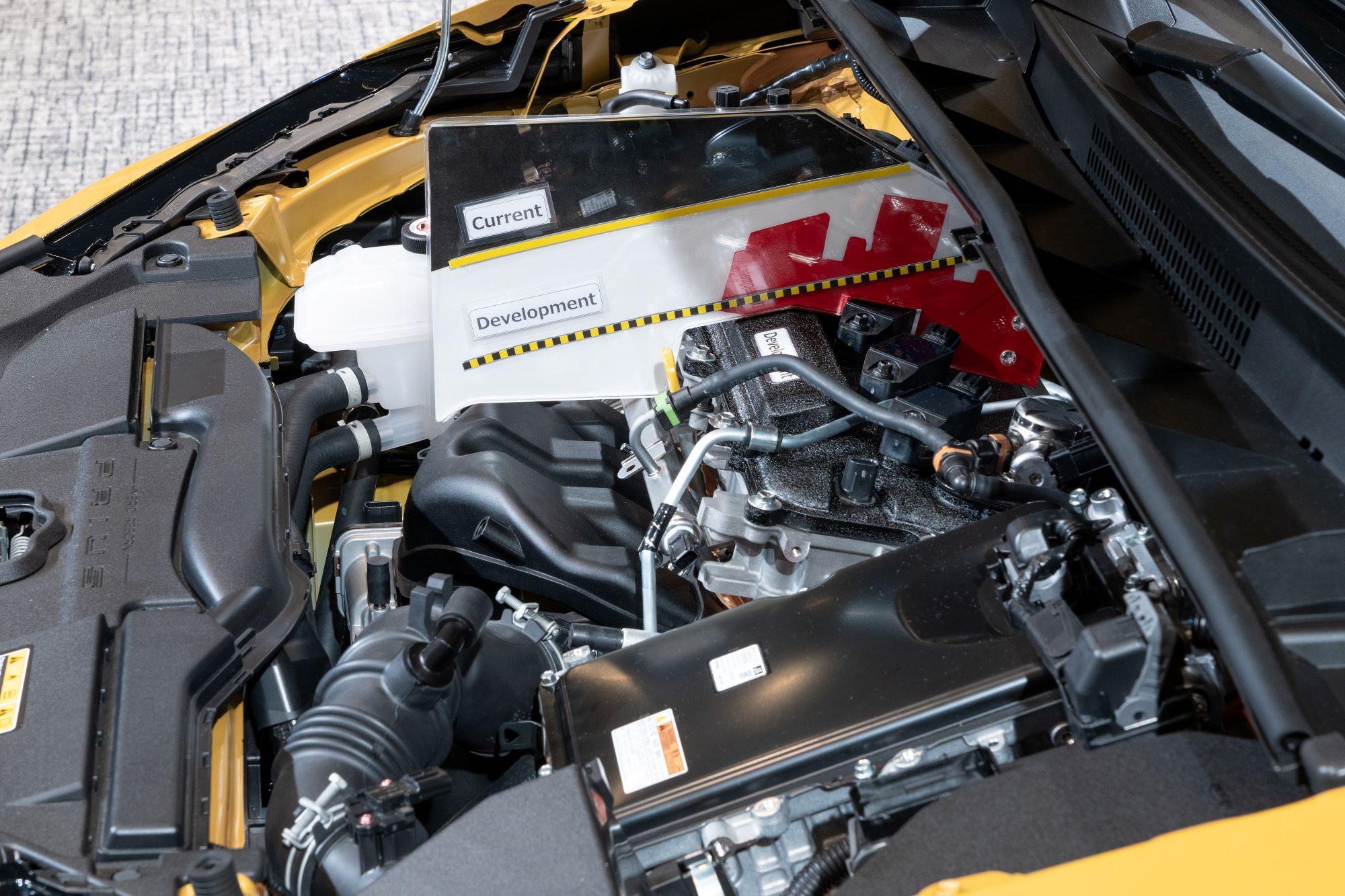
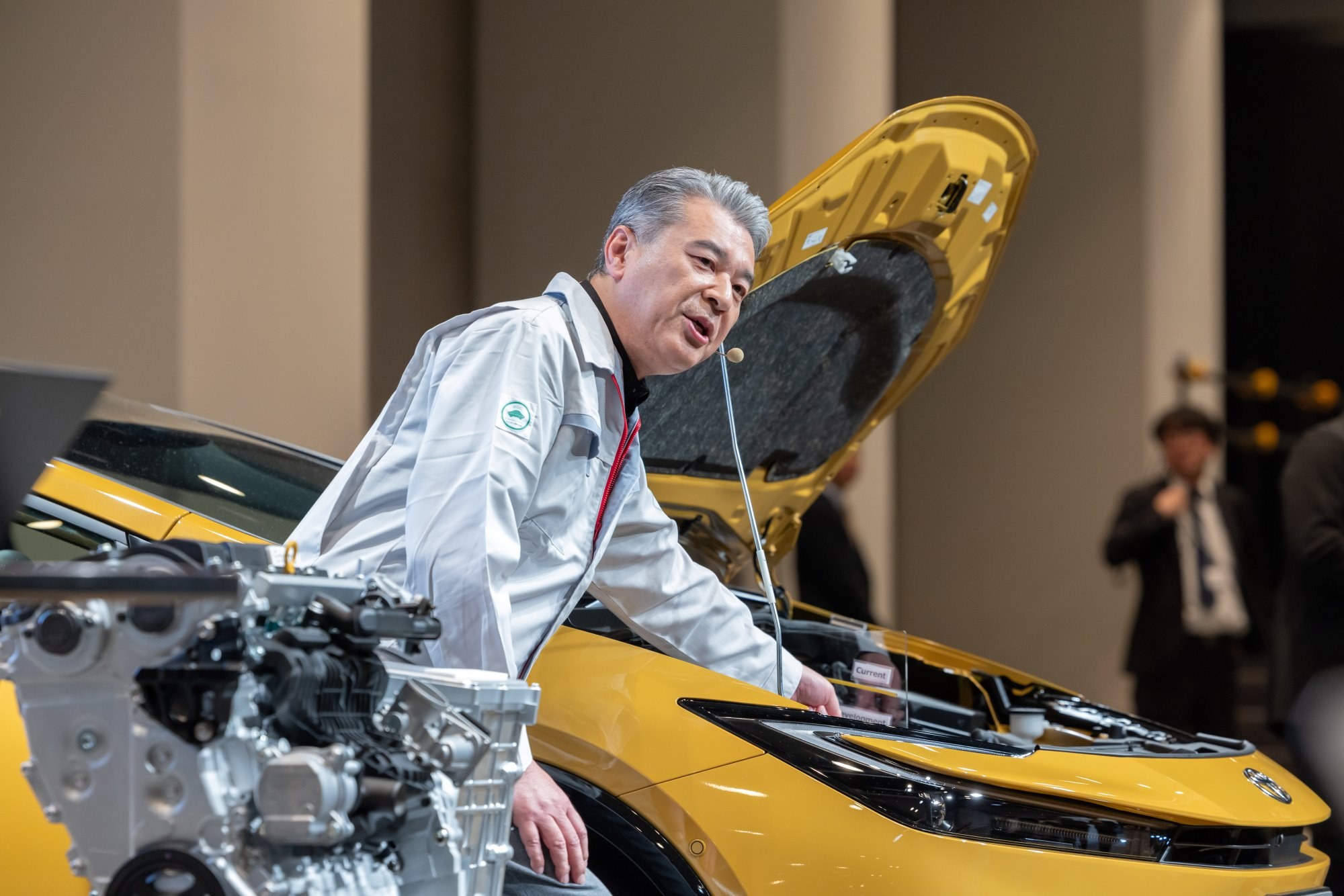
While being highly efficient and powerful, the new engines will also revolutionise vehicle packaging by being more compact than existing models. Smaller engines will allow for even lower hoods, improving design possibilities and aerodynamic performance while contributing to better fuel efficiency. The development will also emphasise compliance with increasingly strict emissions regulations.
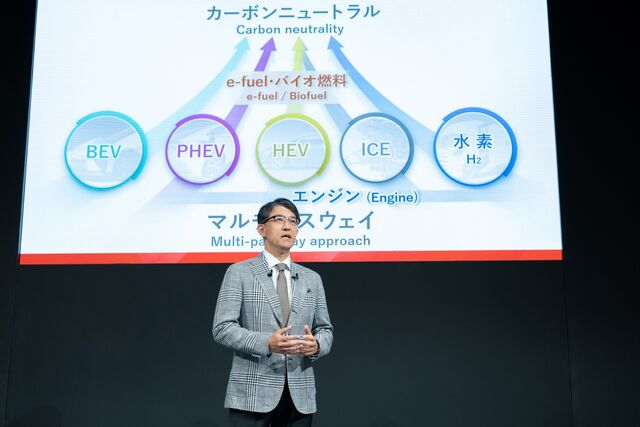
At the same time, the new engines will be made carbon neutral by shifting away from fossil fuels and offering compatibility with various alternatives, including e-fuel (synthetic fuel), biofuels and liquid hydrogen. In doing so, these engines will contribute to the broader adoption of CN fuels.
As Toyota, Subaru and Mazda compete in the product arena with unique engines and cars, the companies have a shared dedication to achieving carbon neutrality through a multi-pathway approach. Together with like-minded partners similarly skilled and passionate about engines, they will work to create the future of Japan’s auto industry.
* Fuels with net zero CO2
emissions into the atmosphere across their life cycle, from manufacture to use. These include e-fuel, made from hydrogen and carbon dioxide, and biofuels derived from biomass (plants, etc).
A dispute over the payload ratings of Jetour’s T1 and T2 SUVs has developed further following weighbridge testing in Gauteng, with the Automobile Association (AA) questioning some of the results and Jetour South Africa maintaining that its revised figures have been independently verified.
Chinese vehicle manufacturers continued to record significantly stronger growth than established OEM brands in South Africa during the second quarter of 2026, according to TransUnion's Q2 2026 Mobility Report.
South Africa's new energy vehicle market is becoming increasingly diverse, with plug in hybrid electric vehicles (PHEVs) and fully electric vehicles gaining ground while traditional hybrids remain the largest category.
As South Africans celebrate their rich heritage, it is also worth reflecting on a lesser-known chapter of the country's history: its long connection with electric vehicles (EVs).