Range Rover, long regarded as the original luxury SUV, has introduced its first electric model. The vehicle is built at the Solihull plant in the UK, where Range Rover production has taken place since 1970.
Share with friends
The manufacturer describes the model as quieter, more effortless and more responsive than any previous Range Rover, with electric propulsion said to reduce cabin noise while retaining the brand's usual characteristics of comfort and capability.
What is it?
Range Rover Electric is the brand's first fully electric SUV, built on an architecture engineered from the outset to accommodate electric propulsion. According to the manufacturer, most owners will be able to complete their typical daily journeys without needing to recharge.
Managing Director Martin Limpert says the model followed a decade of engineering and technological development, and that the electric powertrain suits Range Rover's need for refinement without compromising the brand's usual off road capability.
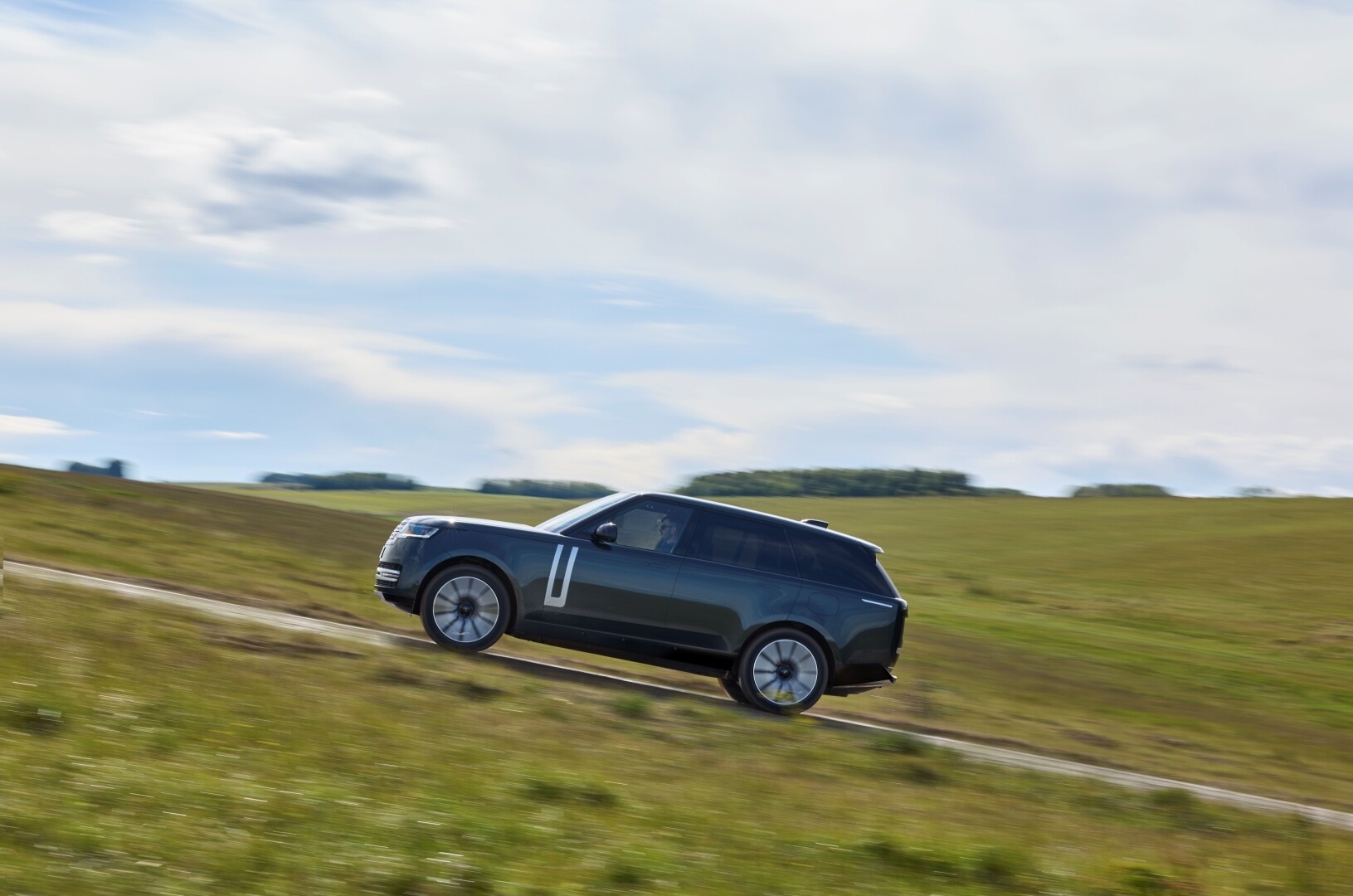
Vehicle Engineering Director Matt Becker added that the team focused on ensuring the vehicle performs across every surface with the comfort and composure expected of the brand.
Powertrains:
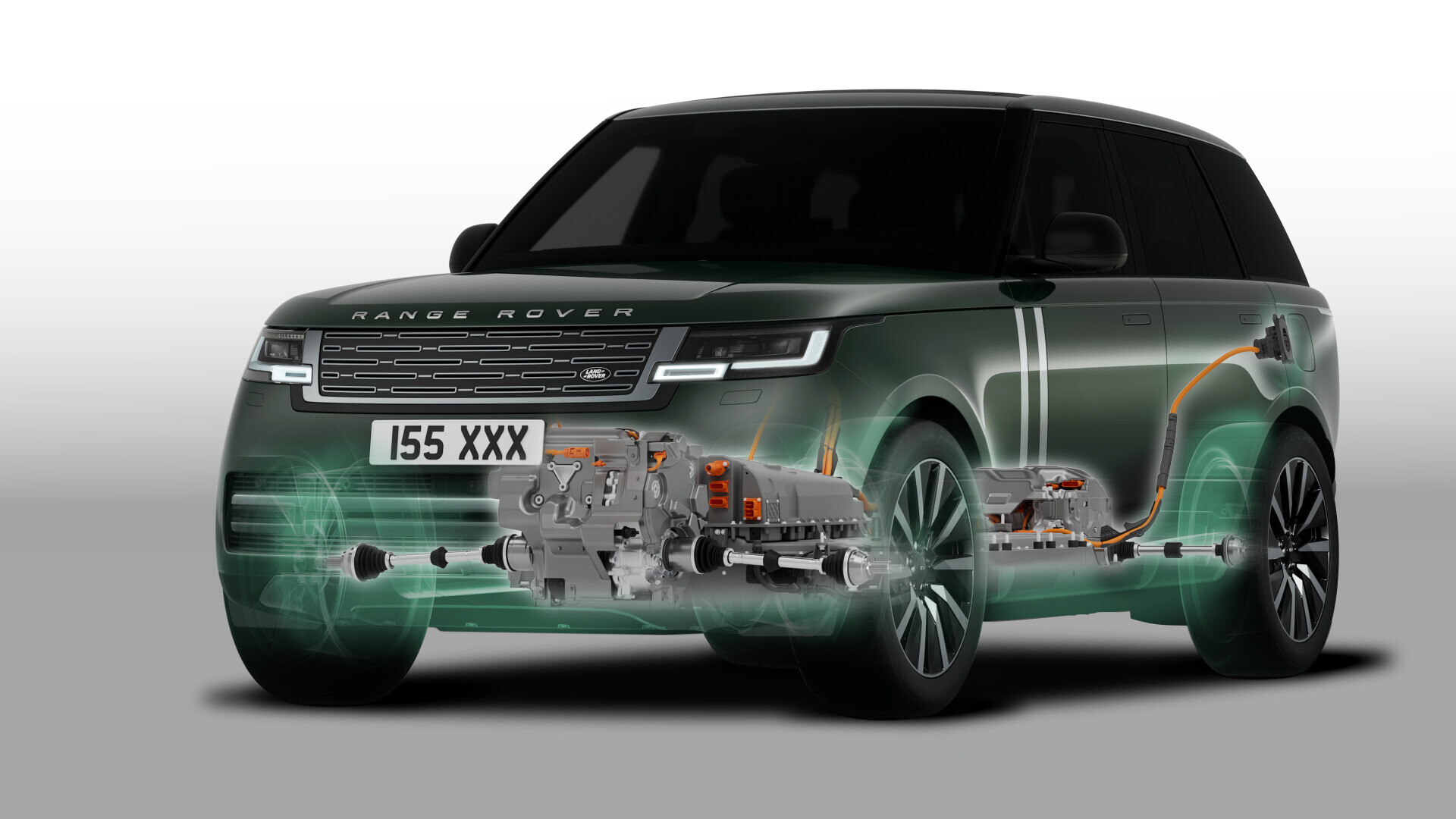
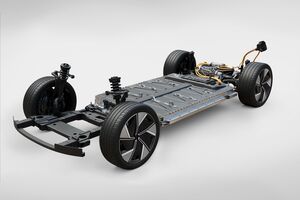
Twin permanent magnet electric motors produce a combined output of up to 404kW and 850Nm of torque. The battery is a lithium ion pack with a usable capacity of 118.5kWh, built from 344 prismatic cells on an 800 volt architecture.
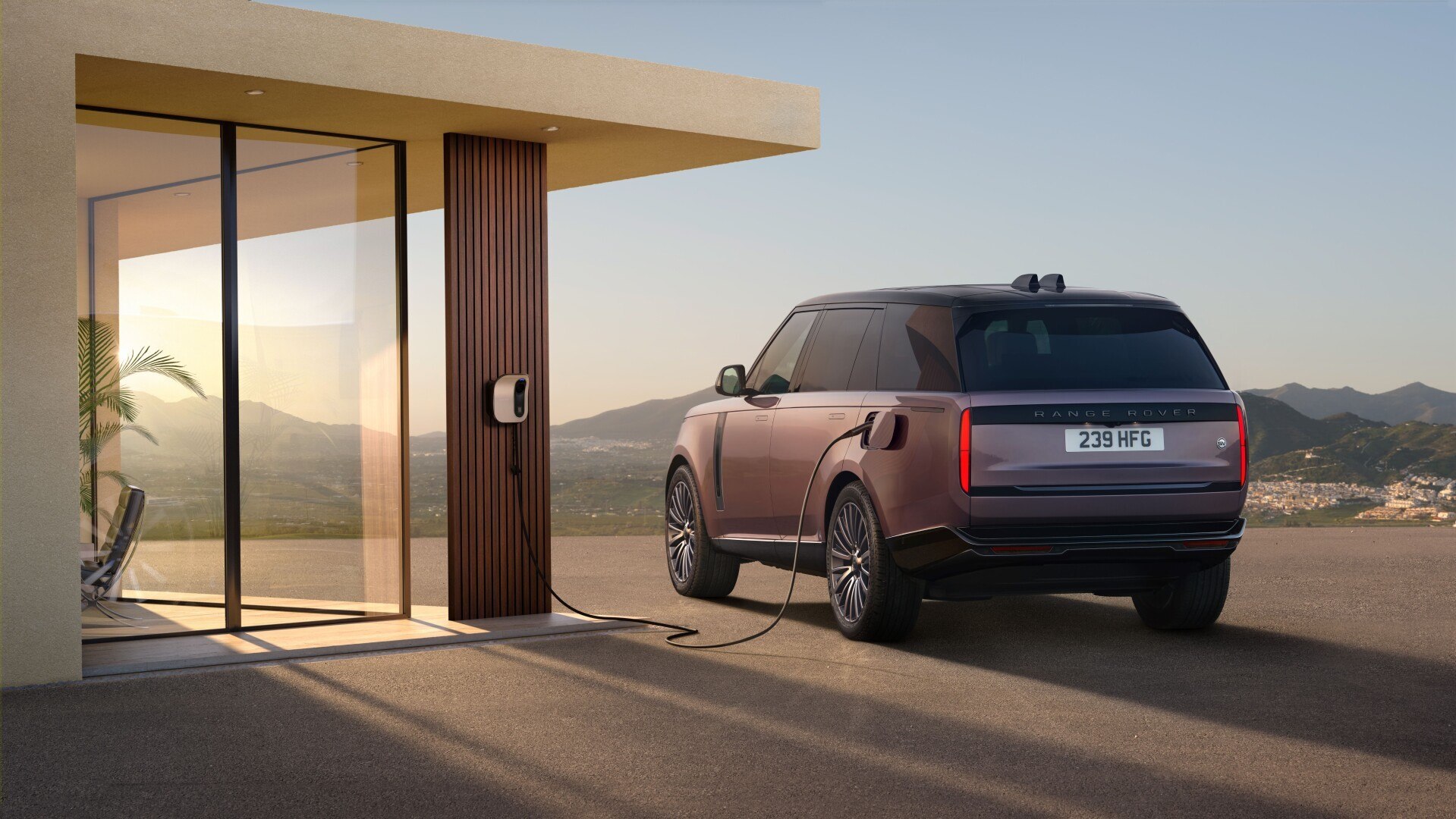
Range is quoted at up to 598km on the WLTP cycle, with a real world figure of up to 535km. Using a 350kW public DC rapid charger, the battery can go from 10 to 80 per cent charge in around 22 minutes, or add 220km of range in 10 minutes at maximum charge rate. Acceleration from 0 to 100km/h takes as little as 4.3 seconds, with an overtaking sprint from 80 to 120km/h completed in as little as 2.7 seconds.
New technology includes Intelligent Driveline Dynamics, which shifts rear torque distribution between zero and 100 per cent to manage traction, and Integrated Traction Management, which controls motor speed within 50 milliseconds. A Single Pedal mode is also included, said to allow smooth pull away on gradients of up to 33 degrees.
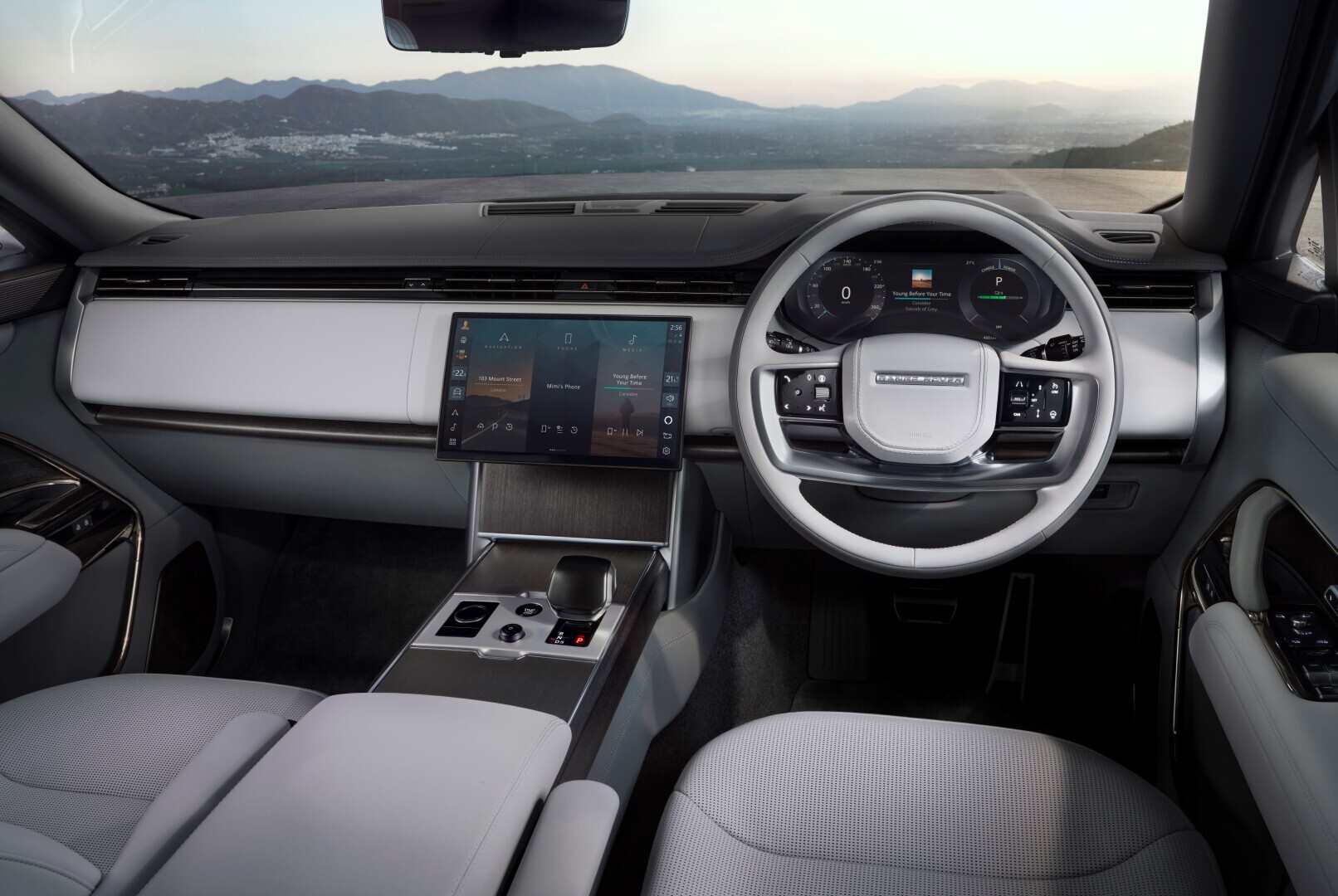
Interior:
Clients can stay connected to the vehicle through the Range Rover App, which allows cabin purification and the heated steering wheel to be activated remotely, along with checking the vehicle's lock status, location, charge level and predicted range.
Charging can also be scheduled through the app to make use of lower tariffs. The First Edition model is trimmed in newly introduced Light Cloud Ultrafabrics PU and Kvadrat materials. The Range Rover Bespoke service offers an extended choice of paint colours, finishes and materials, along with tailored colour combinations and personalisation details such as unique embroidery.
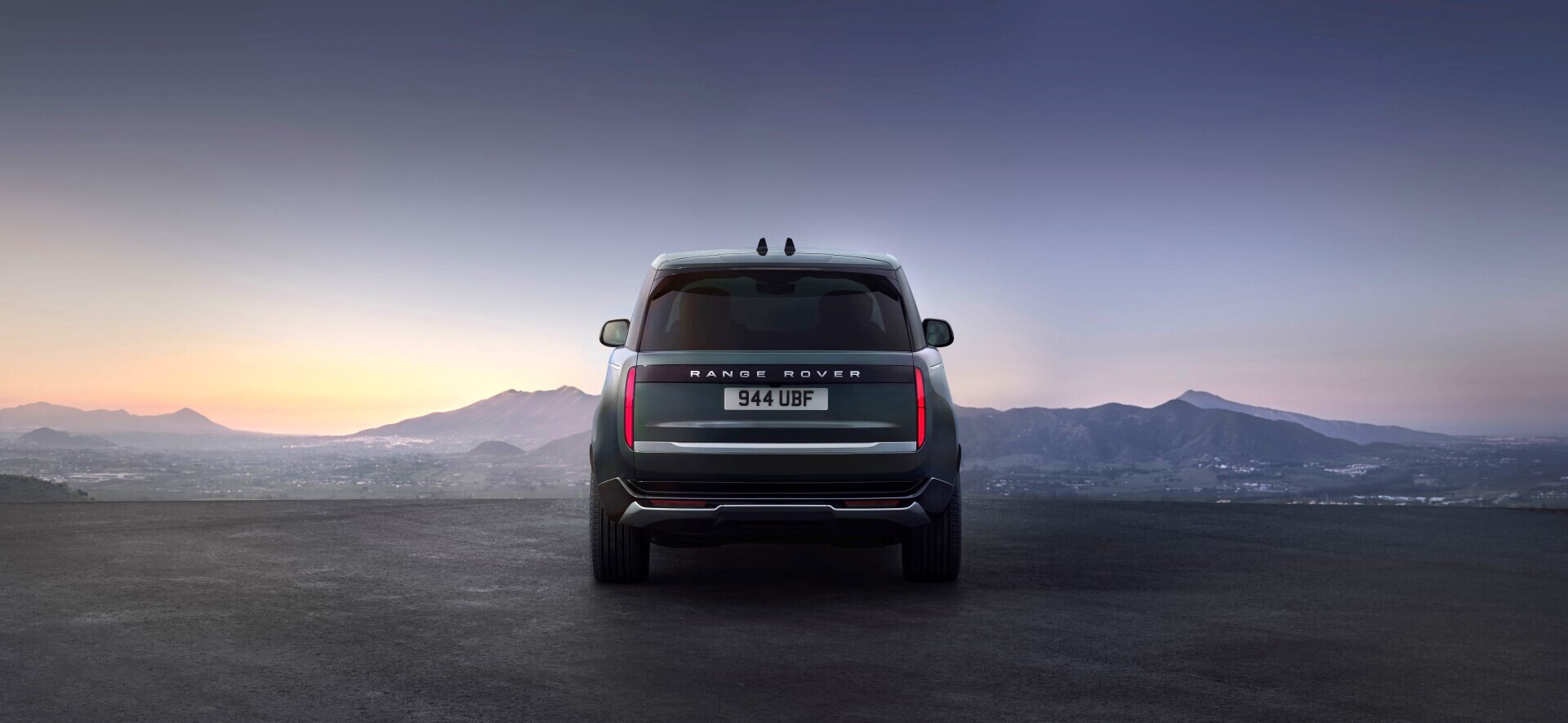
Exterior:
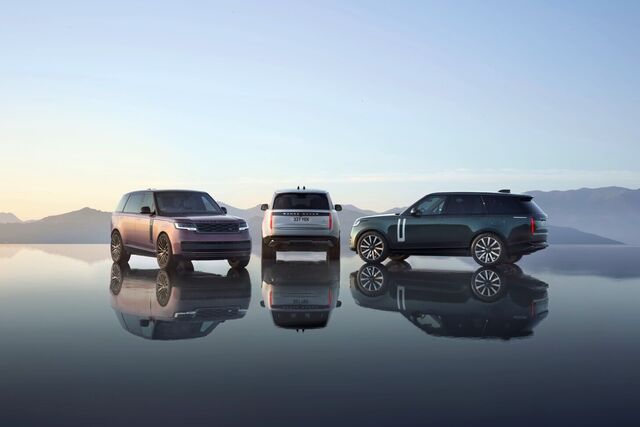
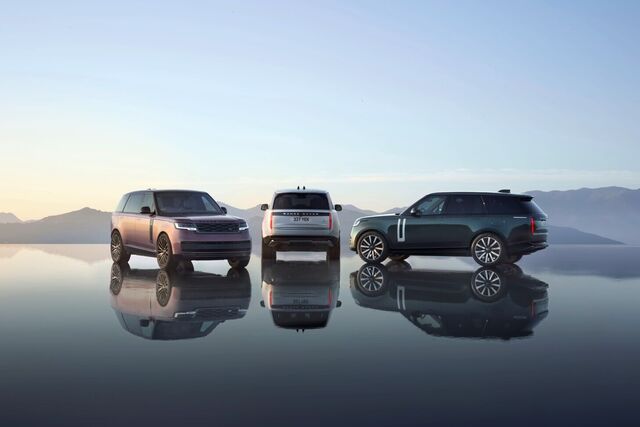
Range Rover Electric is available in short or long wheelbase body designs, in HSE and Autobiography specifications, as well as SV, SV Ultra and SV Black. The First Edition is offered in three exterior colours: Belgravia Green, Santorini Black and Varesine Blue.
Price:
Range Rover Electric is priced from R3 916 800 for the short wheelbase EV550 HSE, rising to R6 035 000 for the range topping long wheelbase EV550 SV Ultra.
Warranty:
The electric propulsion system is covered by an eight year or 160 000km warranty.
A dispute over the payload ratings of Jetour’s T1 and T2 SUVs has developed further following weighbridge testing in Gauteng, with the Automobile Association (AA) questioning some of the results and Jetour South Africa maintaining that its revised figures have been independently verified.
Chinese vehicle manufacturers continued to record significantly stronger growth than established OEM brands in South Africa during the second quarter of 2026, according to TransUnion's Q2 2026 Mobility Report.
Cars are the ultimate symbol of freedom, independence and individualism. They offer the freedom to ‘go anywhere,’ whenever it suits and with whom one chooses.
South Africa's new energy vehicle market is becoming increasingly diverse, with plug in hybrid electric vehicles (PHEVs) and fully electric vehicles gaining ground while traditional hybrids remain the largest category.
As South Africans celebrate their rich heritage, it is also worth reflecting on a lesser-known chapter of the country's history: its long connection with electric vehicles (EVs).