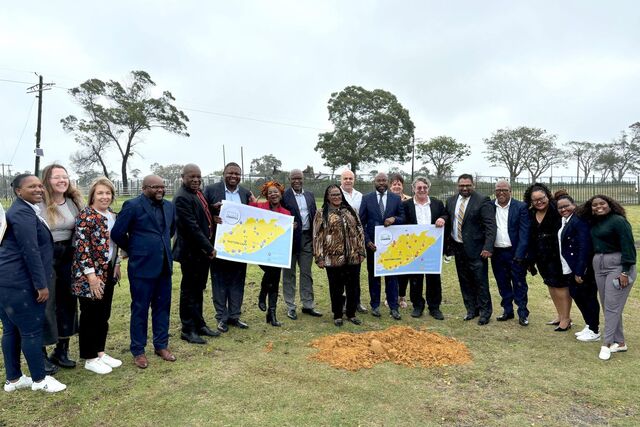
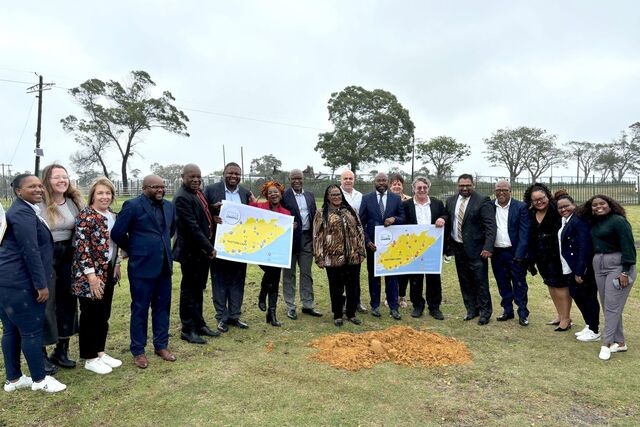
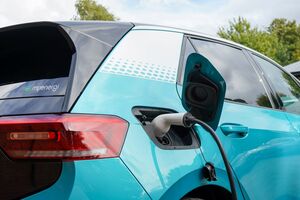
Zero Carbon Charge (CHARGE), in partnership with the Automotive Industry Development Centre Eastern Cape (AIDC-EC), together with the Eastern Cape Provincial Government, broke ground on the province’s first off-grid, ultra-fast, green electric vehicle charging network.
Share with friends
This marks a significant milestone in South Africa's efforts to build a sustainable transport network that contributes to climate emission reduction.
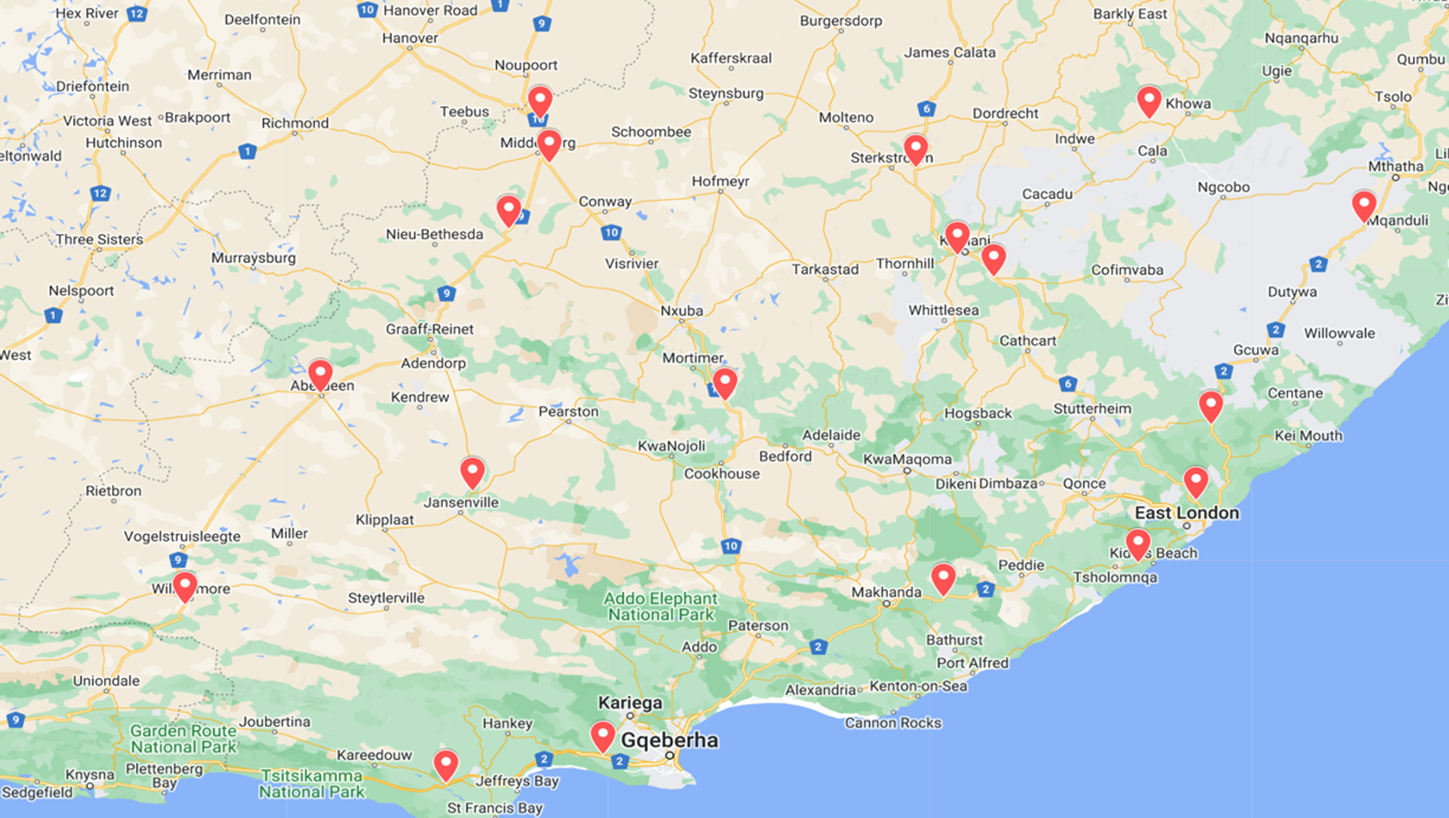
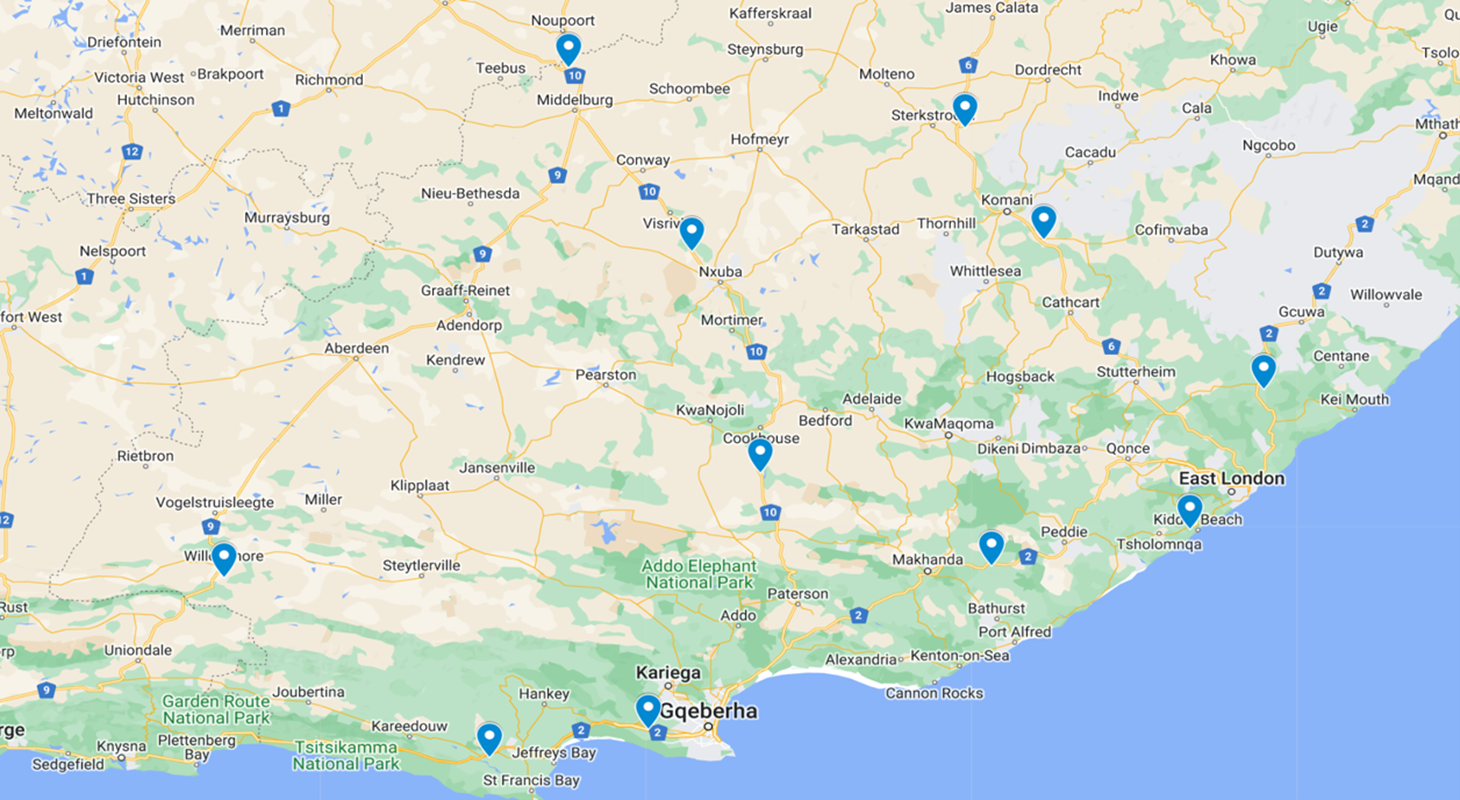
The network in the Eastern Cape will consist of 29 sites, 18 of which will be dedicated to electric passenger and light commercial vehicles, while 11 will be for off-grid electric truck charging stations.
Zero Carbon Charge will be investing a total of R11.4 billion in the roll-out of the electric vehicle charging stations in the Eastern Cape. This forms part of its broader project of building a national network of 120 off-grid electric passenger and light commercial vehicle charging stations and 120 electric truck charging stations.
The development of the 11 sites for solar-powered electric truck charging stations will be completed on a route-by-route basis, similar to the launch of the N3 Electric Highway planned between Johannesburg and Durban. Crucially, both electric passenger and light commercial vehicles and electric truck charging sites will be completely independent of Eskom’s predominantly coal-powered grid, which means they will be green and completely loadshedding-proof.
It is envisaged that construction of the charging station at Wagon Wheels Farm Stall on the N6 will start in the first quarter of 2025. It will be one of five other Zero Carbon Charge charging stations in the Eastern Cape that will be rolled out simultaneously.
The network of off-grid electric passenger and light commercial vehicle charging stations in the Eastern Cape.The network of off-grid electric truck charging stations in the Eastern Cape.
This marks a significant milestone in South Africa's efforts to build a sustainable transport network that contributes to climate emission reduction.
The network in the Eastern Cape will consist of 29 sites, 18 of which will be dedicated to electric passenger and light commercial vehicles, while 11 will be for off-grid electric truck charging stations.
Zero Carbon Charge will be investing a total of R11.4 billion in the roll-out of the electric vehicle charging stations in the Eastern Cape. This forms part of its broader project of building a national network of 120 off-grid electric passenger and light commercial vehicle charging stations and 120 electric truck charging stations.
The development of the 11 sites for solar-powered electric truck charging stations will be completed on a route-by-route basis, similar to the launch of the N3 Electric Highway planned between Johannesburg and Durban. Crucially, both electric passenger and light commercial vehicles and electric truck charging sites will be completely independent of Eskom’s predominantly coal-powered grid, which means they will be green and completely loadshedding-proof.
It is envisaged that construction of the charging station at Wagon Wheels Farm Stall on the N6 will start in the first quarter of 2025. It will be one of five other Zero Carbon Charge charging stations in the Eastern Cape that will be rolled out simultaneously.
A dispute over the payload ratings of Jetour’s T1 and T2 SUVs has developed further following weighbridge testing in Gauteng, with the Automobile Association (AA) questioning some of the results and Jetour South Africa maintaining that its revised figures have been independently verified.
Chinese vehicle manufacturers continued to record significantly stronger growth than established OEM brands in South Africa during the second quarter of 2026, according to TransUnion's Q2 2026 Mobility Report.
South Africa's new energy vehicle market is becoming increasingly diverse, with plug in hybrid electric vehicles (PHEVs) and fully electric vehicles gaining ground while traditional hybrids remain the largest category.
As South Africans celebrate their rich heritage, it is also worth reflecting on a lesser-known chapter of the country's history: its long connection with electric vehicles (EVs).