Merc partners with Chargify to grow local EV-charging network
Mercedes-Benz South Africa is advancing its sustainability strategy for South Africa through a substantial investment in the local electric vehicle (EV) charging infrastructure.
Share with friends
As the demand for EVs continues to grow, ensuring a robust infrastructure is essential and to meet this need, Mercedes-Benz South Africa is taking proactive steps to expand the local charging network by investing in over 120 charging stations across South Africa.
In collaboration with Chargify, a Level 2 Broad-Based Black Economic Empowerment (BBBEE) company, Mercedes-Benz is working to expand its presence in the local charging infrastructure. Chargify is actively deploying AC and fast charging DC-charging stations along the main routes, between metropolitan areas, including airports, shopping malls, restaurant hubs, private hospitals, strategic expansion sites, residential estates and small towns throughout South Africa.
“The partnership with Chargify not only gives us the opportunity to grow the share of the local EV-charging network but also reaffirms Mercedes-Benz South Africa’s ambition to expand its Enterpriseand Supplier Development (ESD) portfolio. Our ESD programme is aimed at making a real and lasting impact towards the transformation of the country through the creation of sustainable and meaningful jobs,” saysAbey Kgotle, Executive Director: Human Resources & Corporate Affairs Mercedes-Benz South Africa.
Mercedes-Benz South Africa's initial investment in the EQ-charging network amounts to R15 million, with an additional R25 million earmarked for the second phase of the roll-out.
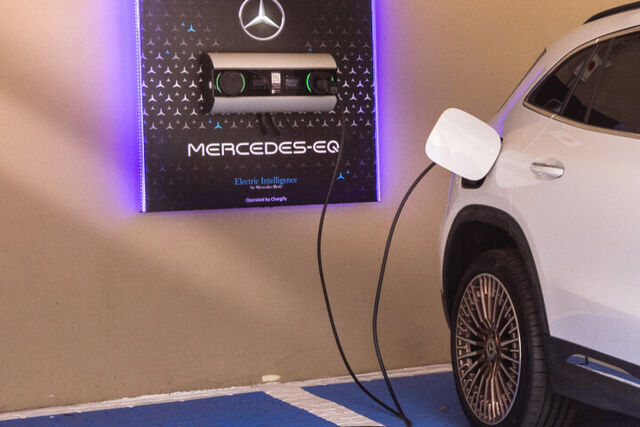
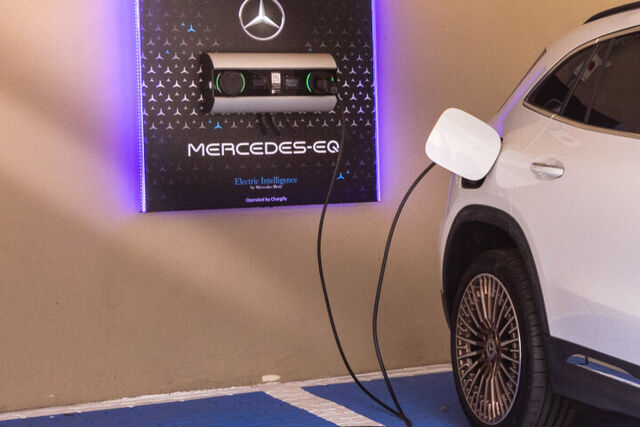
Phase 1 involves the installation of 67 Mercedes-Benz EQ-branded charging stations across South Africa by quarter one of 2024. This investment is aimed at not only providing current customers with a reliable charging network but also to instil confidence in those considering the switch to electric vehicle ownership.
Phase 2 will see the implementation of over 60 additional charging stations, bringing the total to 127 Mercedes-Benz EQ-branded charging stations, strategically positioned in key areas.
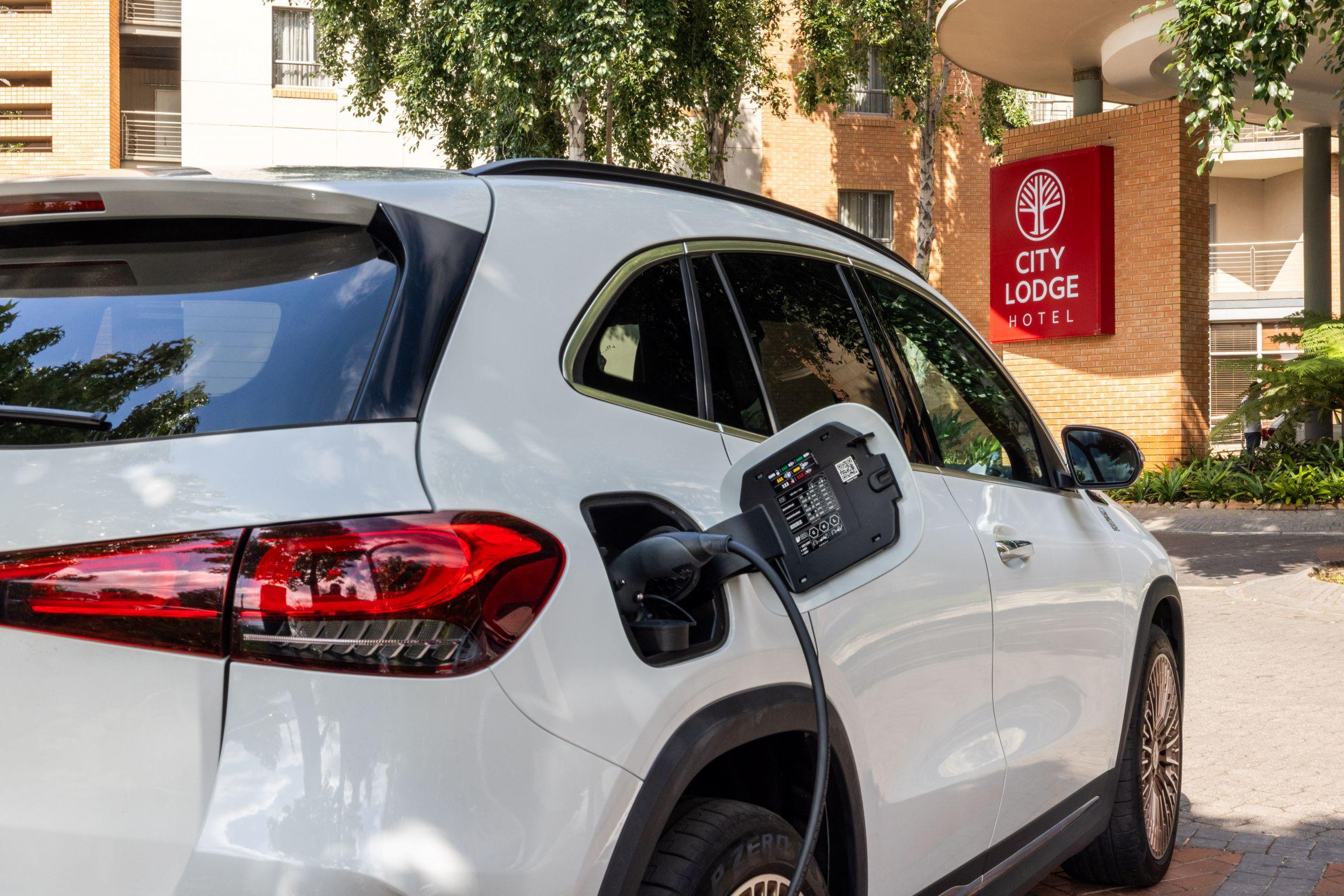
Already, some locations feature Mercedes-Benz EQ-branded charging infrastructure, including BT Ngebs Mall and Mayfair Hotel in Mthatha – with this installation, an EV driver can now travel from Durban to Cape Town; Woodhill Estate and Country Club; Da Vinci Hotel in Sandton; Champagne Castle in the Drakensberg; Highwayman’s in Pilgrims Rest; Courtyard Sandton, and Silvermist Wine Estate. Other locations, such as The Plettenberg Hotel, The Wilderness Hotel, Swartberg Hotel in Prince Albert, and Karoo Junction Mall in Beaufort West, to name a few, are currently in the installation phase.
A dispute over the payload ratings of Jetour’s T1 and T2 SUVs has developed further following weighbridge testing in Gauteng, with the Automobile Association (AA) questioning some of the results and Jetour South Africa maintaining that its revised figures have been independently verified.
Chinese vehicle manufacturers continued to record significantly stronger growth than established OEM brands in South Africa during the second quarter of 2026, according to TransUnion's Q2 2026 Mobility Report.
South Africa's new energy vehicle market is becoming increasingly diverse, with plug in hybrid electric vehicles (PHEVs) and fully electric vehicles gaining ground while traditional hybrids remain the largest category.
As South Africans celebrate their rich heritage, it is also worth reflecting on a lesser-known chapter of the country's history: its long connection with electric vehicles (EVs).