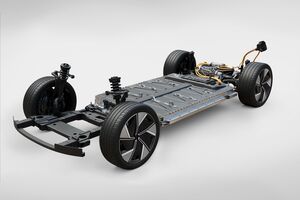
The pollution and energy challenges across the world inspired the South African government to dedicate a month to energy education. This year, Energy Month is May.
Share with friends
Electric Vehicles (EVs) are often propagated as one of the solutions to carbon pollution, yet opinions are divided making it a controversial issue.
Research on EVs reveals both their positive versus negative effect on the environment and whether drivers should be preparing to make the switch. The CEO of MasterDrive, Eugene Herbert, says concerns about whether EVs are actually a better alternative to internal combustion engines (ICE) can be valid but they also tend to lack a holistic view.
“Resistance to EVs in South Africa is ardent. Often people grasp onto a one-sided criticism of EVs and use that to support or justify their EV decisions. We explored some of the most commonly cited reasons why EVs are not better for the environment as well as the research conducted on that concern to provide a well-rounded view.”
More carbon emissions are created to produce an EV than an ICE vehicle:
This is true. However, research from Yale Climate Connections says carbon emissions from driving an EV are considerably less so that by the time one drives approximately 32 000 km, it would have offset production emissions. The breakeven point varies depending on the vehicle and how the electricity grid is powered.
There is no set plan or way to dispose of batteries once they reach their full lifespan:
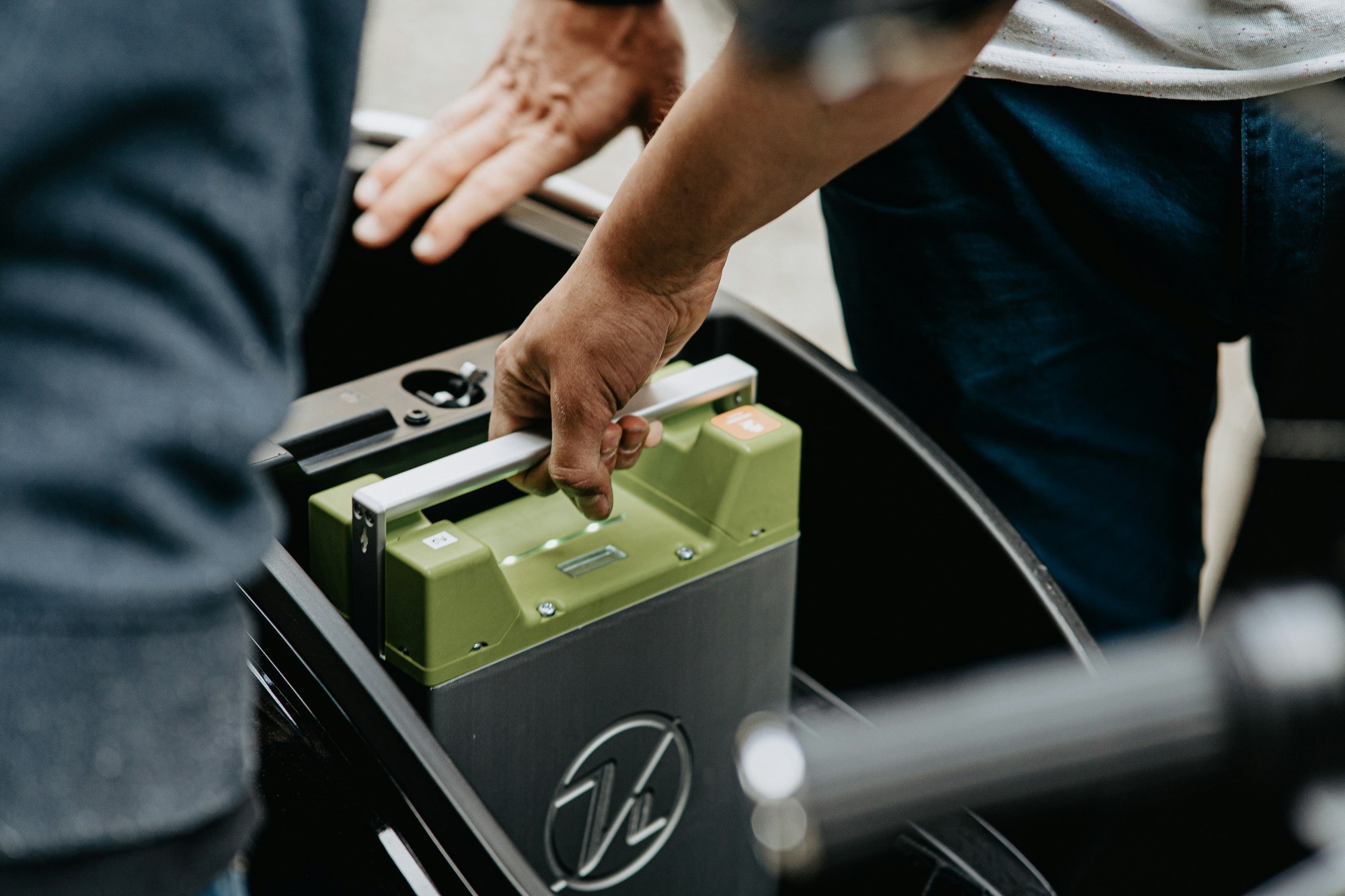
This fact is partially true. A great focus of organisations introducing EV vehicles is on what to do with the batteries. Hyundai is one of the first manufacturers to sign a deal with battery recyclers. There are two ways of doing this. One is to shred the battery and divide the components into metal, plastics and minerals. Up to 95% is then fed back into the supply chain.
The second way is to repurpose batteries that are not ready to be recycled. In this role, EV batteries act as energy banks that charge up when grid demand is low and discharge into the grid when demand is high to offset the need for excess energy generation. One manufacturer in South Africa is already looking at the possibility of implementing this in the country.
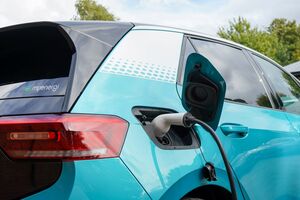
Charging EVs adds more pressure to the already strained electricity infrastructure:
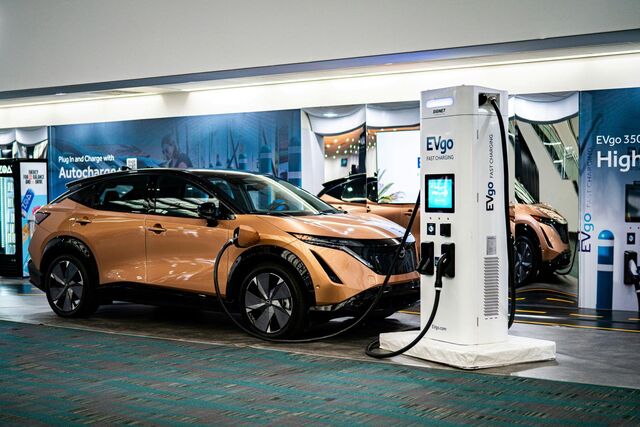
The current electricity grid will not be able to handle mass EV charging. Yet, South Africa is also the first country in the world to sign a Memorandum of Understanding (MOU) worth R1 billion to instal solar-powered superchargers. Ultimately, however, this remains the greatest challenge to the environmental benefits in a coal-powered electrical grid. Fortunately, South Africa’s much slower uptake of EVs gives the country more time to resolve this challenge.
When deciding if EVs are an environmentally conscious decision, it is important to consider the issue holistically. “It can’t be denied that EVs are coming, and drivers need to prepare for how this will change their driving style as well as various other considerations. Do not waste the time you have to get ready for the change by dismissing them as not being environmentally friendly,” says Eugene.
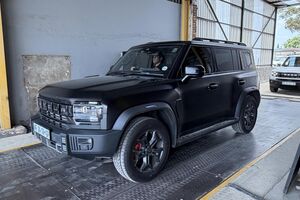
A dispute over the payload ratings of Jetour’s T1 and T2 SUVs has developed further following weighbridge testing in Gauteng, with the Automobile Association (AA) questioning some of the results and Jetour South Africa maintaining that its revised figures have been independently verified.
Chinese vehicle manufacturers continued to record significantly stronger growth than established OEM brands in South Africa during the second quarter of 2026, according to TransUnion's Q2 2026 Mobility Report.
South Africa's new energy vehicle market is becoming increasingly diverse, with plug in hybrid electric vehicles (PHEVs) and fully electric vehicles gaining ground while traditional hybrids remain the largest category.
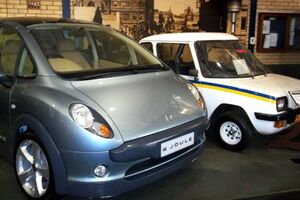
As South Africans celebrate their rich heritage, it is also worth reflecting on a lesser-known chapter of the country's history: its long connection with electric vehicles (EVs).