Ford Chairman makes frank admissions regarding EVs
Ford Motor Company Chairman, Bill Ford, told a major news network in the US that the Yanks cannot yet compete with China when it comes to EVs, according to Reuters.
Share with friends
"They developed very quickly, and they developed them in large scale. And now they're exporting them," Ford told CNN's 'Fareed Zakaria GPS' Sunday programme. "They're not here but they'll come here we think, at some point, we need to be ready, and we're getting ready," Bill says.
In February, the automaker announced plans to invest $3.5 billion to build an electric vehicle battery plant in Michigan in a deal that involved using technology from Chinese battery company CATL, attracting attention from a US Senator who asked the Biden administration to review the deal.
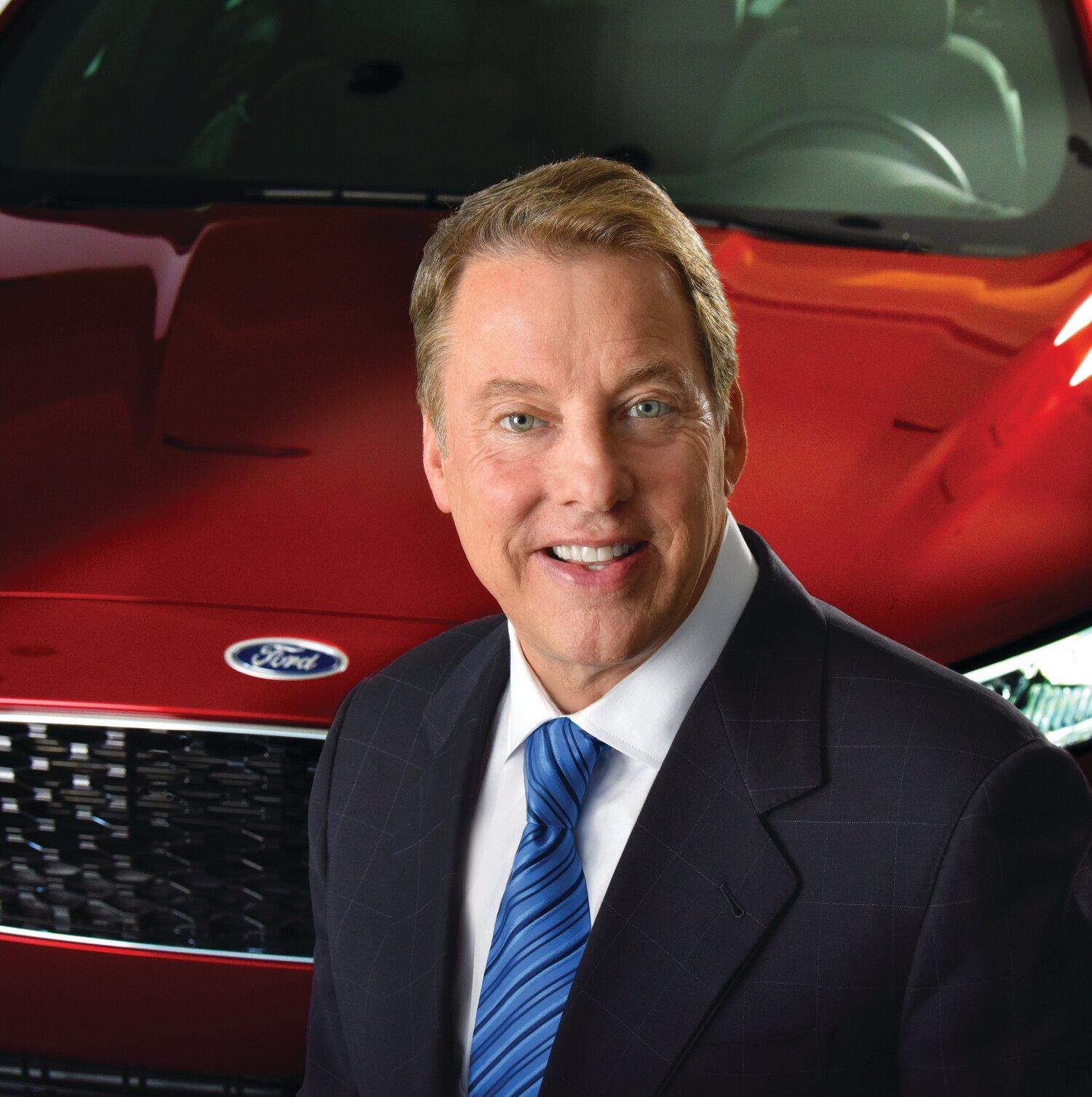
Ford Chairman, Bill Ford.
Bill Ford, who is the great-grandson of company founder Henry Ford, said in the programme that the Michigan battery plant is a chance for Ford engineers to learn the technology and then use it themselves.
"It (Michigan) is a wholly owned Ford facility. They will be our employees, and all we are doing is licensing the technology. That’s it," he says.
Ford CEO, Jim Farley, said in May that Chinese electric vehicle makers were its main rivals in the sector, and that Ford needs distinctive branding or lower costs to beat Chinese automakers.
"I think we see the Chinese as the main competitor, not GM or Toyota. The Chinese are going to be the powerhouse," he said.
A dispute over the payload ratings of Jetour’s T1 and T2 SUVs has developed further following weighbridge testing in Gauteng, with the Automobile Association (AA) questioning some of the results and Jetour South Africa maintaining that its revised figures have been independently verified.
Chinese vehicle manufacturers continued to record significantly stronger growth than established OEM brands in South Africa during the second quarter of 2026, according to TransUnion's Q2 2026 Mobility Report.
South Africa's new energy vehicle market is becoming increasingly diverse, with plug in hybrid electric vehicles (PHEVs) and fully electric vehicles gaining ground while traditional hybrids remain the largest category.
As South Africans celebrate their rich heritage, it is also worth reflecting on a lesser-known chapter of the country's history: its long connection with electric vehicles (EVs).