DFSK SA introduces LPG solution as fuel prices impact businesses
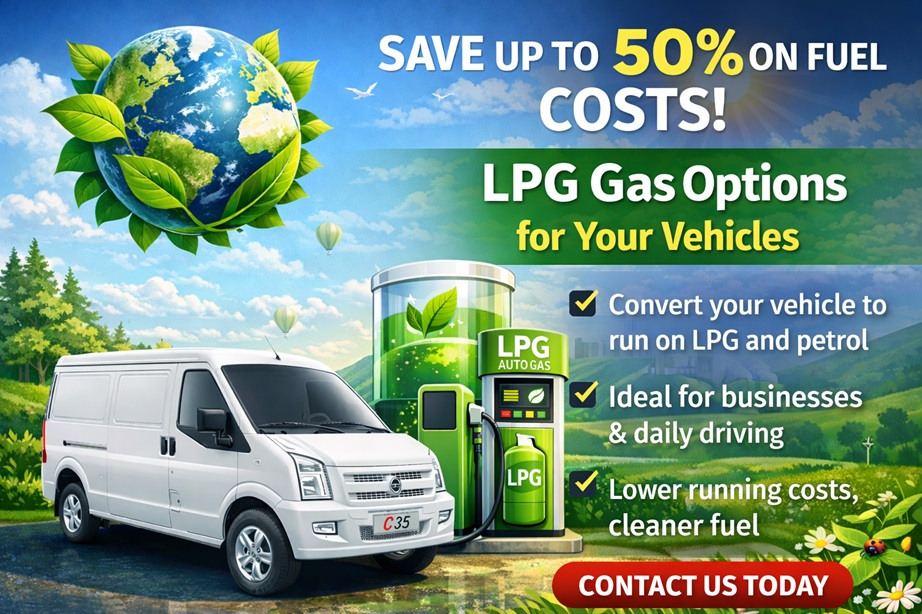
As fuel prices continue to place pressure on South African consumers and businesses, DFSK South Africa has introduced an LPG Autogas conversion solution aimed at reducing operating costs and improving vehicle efficiency across its petrol range.
Share with friends
The move comes at a time when many customers are re-evaluating running costs, with a growing number of vehicle purchases being influenced by long-term affordability rather than upfront pricing alone.
According to DFSK South Africa, the introduction of LPG Autogas is a direct response to market conditions, particularly where traditional fuel costs and the practicality of electric vehicles (EVs) remain key concerns.
“Fuel prices are not coming down anytime soon, and expecting our customers to absorb those costs is not a strategy,” says Gina Giani, CEO of DFSK South Africa. “We’ve made a clear decision; we will not let high fuel costs stop our customers from being competitive.”
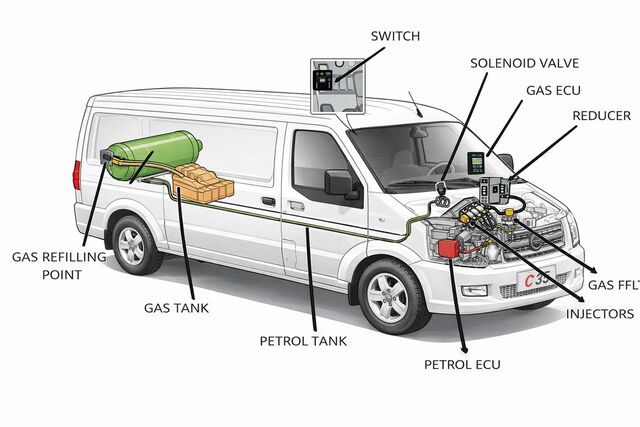
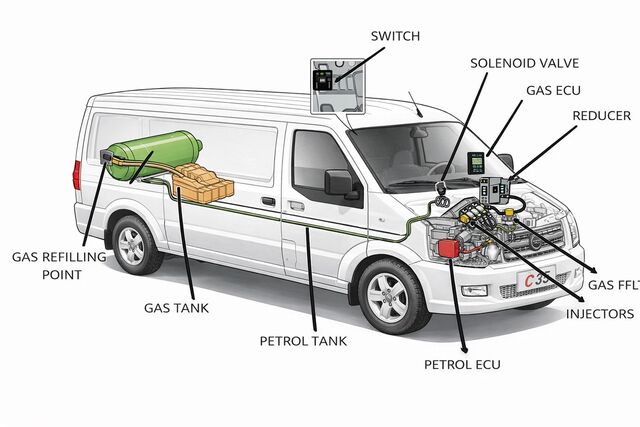
The LPG Autogas system enables DFSK petrol vehicles to run on a dual fuel setup, allowing drivers to switch seamlessly between petrol and LPG. This provides flexibility while delivering immediate cost savings.
DFSK South Africa highlights several key advantages of the system:
Fuel savings of up to 30 – 50%
Return on investment within 6 – 12 months
No range limitations or charging delays
Dual fuel capability for operational flexibility
The company confirmed that the LPG conversion is fully approved and does not affect the vehicle warranty. Additionally, LPG’s cleaner combustion properties may contribute to extended engine life.
The solution is expected to appeal strongly to fleet operators, small businesses, and high-mileage drivers, where fuel costs have a direct impact on profitability.
While electric vehicles remain part of the broader automotive future, DFSK South Africa believes that practical, cost-effective solutions are needed in the current market.
“EVs have their place, but for many customers today, the barriers are still too high, from pricing to infrastructure,” she adds. “What we’re offering is a solution that works right now. Immediate savings, practical usage, and no compromise on daily operations.”
DFSK South Africa will roll out the LPG Autogas conversion across its dealer network, with options available for both new and existing vehicles. Customers will also have the ability to include the conversion as part of vehicle finance, making adoption more accessible.
The total cost (installation included) amounts to R33 350.
Authorised places where vehicles with an LPG conversion can re-fill include:
Gauteng:
Sasol West Star, Cnr Kgosi Mampuru &, Visagie St, Pretoria.
A dispute over the payload ratings of Jetour’s T1 and T2 SUVs has developed further following weighbridge testing in Gauteng, with the Automobile Association (AA) questioning some of the results and Jetour South Africa maintaining that its revised figures have been independently verified.
Chinese vehicle manufacturers continued to record significantly stronger growth than established OEM brands in South Africa during the second quarter of 2026, according to TransUnion's Q2 2026 Mobility Report.
Cars are the ultimate symbol of freedom, independence and individualism. They offer the freedom to ‘go anywhere,’ whenever it suits and with whom one chooses.
South Africa's new energy vehicle market is becoming increasingly diverse, with plug in hybrid electric vehicles (PHEVs) and fully electric vehicles gaining ground while traditional hybrids remain the largest category.
As South Africans celebrate their rich heritage, it is also worth reflecting on a lesser-known chapter of the country's history: its long connection with electric vehicles (EVs).