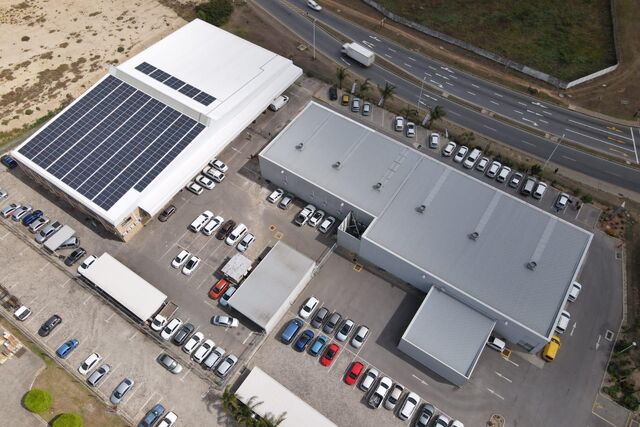
Without an alternative power source, it is increasingly unlikely that businesses will survive South Africa’s electricity crisis. It was this harsh realisation that prompted the Kelston Motor Group to invest heavily in solar solutions at its Eastern Cape dealerships.
Share with friends
According to Kelston’s operations director, Peter McNaughton, businesses had no other choice but to adapt as the country continued to battle crippling load-shedding.
Eskom has imposed daily load-shedding since October 31 last year, making it well over 100 days of scheduled blackouts. Even by the power utility’s most liberal estimates, it will take at least two more years for its electricity-generating infrastructure to be overhauled.
An additional 4 000 to 6 000 megawatts of generating capacity are required if power outages are to end. For dealerships and other businesses, failing to act now could have dire consequences.
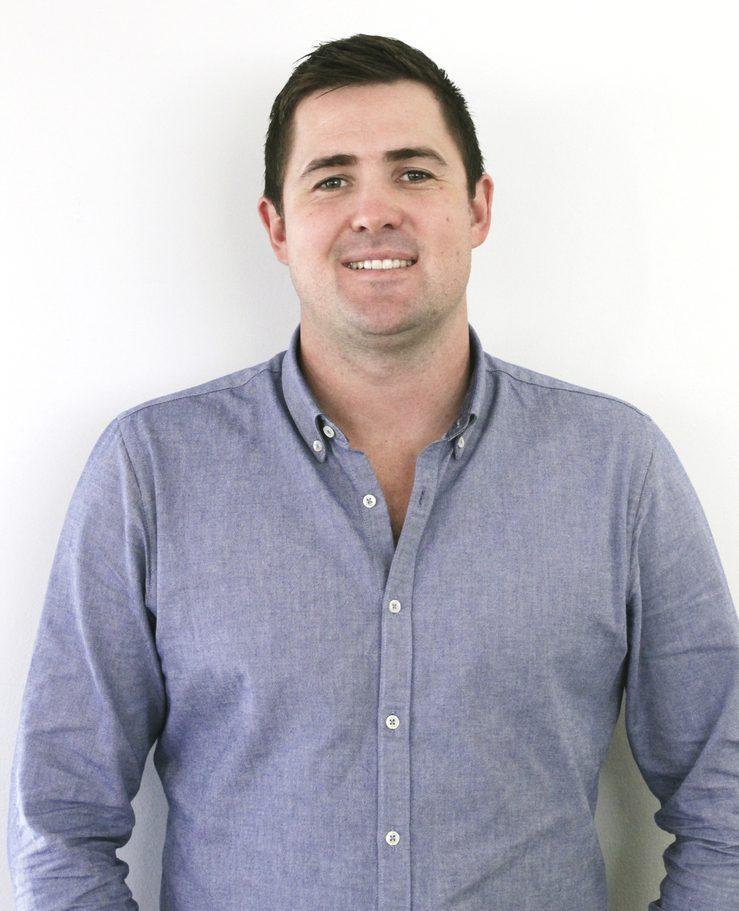
Kelston Motor Group operations director Peter McNaughton.
Kelston has already upgraded more than half its 21 dealerships to solar power after it became clear that its aftersales division, in particular, was being negatively impacted.
These dealerships are situated in major centres along the coast, most notably in the Nelson Mandela Metro, where its head office is, and East London.
The group also serves customers in the Karoo and provincial hinterland with a presence in towns such as Komani, in the north, and Cradock, Somerset East, Makhanda and Port Alfred.
As much as the business was in alignment with the environmental positives, Peter readily acknowledged that the decision to instal solar panels had been rooted in business sustainability.
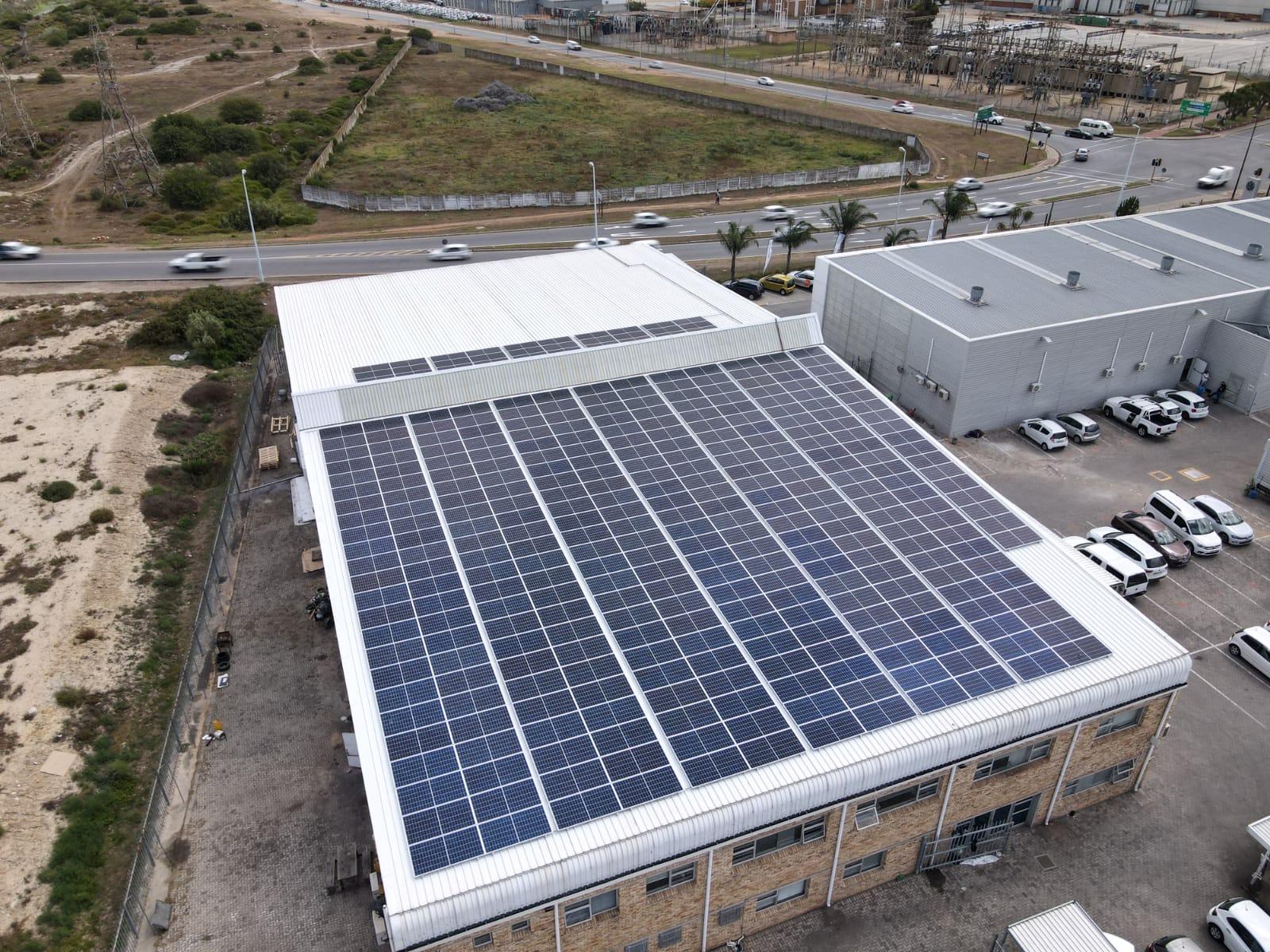
Kelston’s Volkswagen Dealership in Uitenhage.
“We simply cannot repair or service vehicles without electricity. With the current levels of load-shedding and an uncertain future, we had no option but to upgrade. While load-shedding costs weighed heavily on production and productivity, blackouts also brought emotional costs, including low staff morale, increased frustration and a general lack of positivity,” he says.
However, he also pointed out that vehicle dealerships were luckier than most in that their power needs were relatively low compared to some other industries.
“We are fortunate that we only operate in the day, which saves on the need to purchase major power-storing units. For example, a major retail chain recently disclosed that it had spent R560 million on diesel in the last few months to keep its operations going during stages five and six load-shedding.”
While Kelston did not have a crystal ball and there was no way of telling whether South Africa could alleviate the power crisis, Peter believes there was a serious case for businesses to start producing their own power.
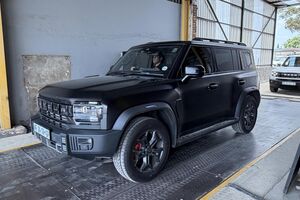
A dispute over the payload ratings of Jetour’s T1 and T2 SUVs has developed further following weighbridge testing in Gauteng, with the Automobile Association (AA) questioning some of the results and Jetour South Africa maintaining that its revised figures have been independently verified.
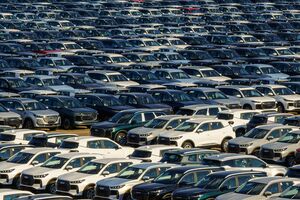
Chinese vehicle manufacturers continued to record significantly stronger growth than established OEM brands in South Africa during the second quarter of 2026, according to TransUnion's Q2 2026 Mobility Report.
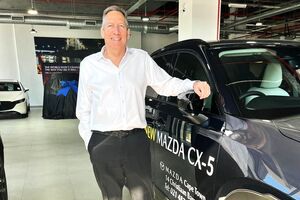
You just must drive the new Mazda CX-5 to understand why this could be a game changer for the iconic legacy brand that was once one of the top-selling brands in South Africa.
The opening of GWM Hyde Park marks a return to familiar territory for dealership owner Bradley Scorer, whose career in the South African motor industry began in the same area decades ago.
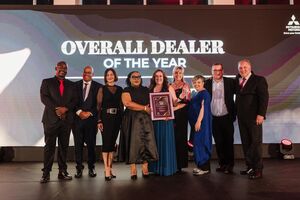
Mitsubishi Motors Bedfordview has been awarded the prestigious Overall Dealer of the Year title in the brand’s annual dealer evaluation and awards program, recognising its outstanding performance and commitment to excellence across all areas of the business.